

What Kenya Is Best Known For
What Kenya Is Best Known For
What Kenya Is Best Known For
What Kenya Is Best Known for is its rich history, rich culture, wildlife, beaches etc. making it a truly remarkable country in East Africa, often described as the “land of endless discovery” due to its incredible variety of landscapes, rich cultural heritage, and abundant wildlife. It is widely recognized as the suitable place to anyone searching for a safari destination in Africa, drawing visitors from all corners of the globe eager to witness its natural wonders.
What makes Kenya truly unique is its breathtaking geographical diversity, which creates a wide range of ecosystems supporting the life of plant and animal life. The country is split by the Great Rift Valley, a feature that runs north to south, dotted with ancient volcanoes and a chain of shallow, alkaline lakes that are home to millions of flamingos. To the east, the landscape slopes gently towards the Indian Ocean, offering white sand beaches and coral reefs.
To the west, highlands and mountains, including Mount Kenya, Africa’s second-highest peak, provide cooler climates and forests. In the northern and southern parts of the country, you find vast arid and semi-arid lands, which, despite their harsh appearance, support unique wildlife adapted to these conditions.
Beyond its physical landscape, Kenya is a melting pot of cultures, home to over 40 different ethnic groups, each with its own distinct language, traditions, and customs. This rich cultural tapestry adds another layer of uniqueness to the country, offering visitors a chance to engage with vibrant communities like the Maasai, Samburu, and Turkana, who have largely maintained their traditional ways of life.
The Swahili culture, found along the coast, is a beautiful blend of African, Arab, and Indian influences, evident in the language, architecture, and cuisine. Kenya is also notable for its significant contributions to human history, being a hotspot for ancient human fossil discoveries.
The Turkana Boy, one of the most complete early human skeletons ever found, was discovered near Lake Turkana, highlighting Kenya’s importance in understanding human evolution. Furthermore, Kenya has produced world-renowned long-distance runners, particularly from the Kalenjin community, who have consistently dominated international marathons and track events, bringing global recognition to the nation.
Kenya Is Best Known For Its Rich History
The history of Kenya is long and complex, stretching back to millions of years about the earliest human ancestors. Archaeological findings, such as the Turkana Boy. Around 2000 BC, Cushitic-speaking people from northern Africa began to settle in what is now Kenya. By the 1st century AD, the Kenyan coast became an important part of the Indian Ocean trade network, frequented by Arab traders who established settlements and introduced Islam.
This interaction led to the development of the Swahili language and culture, a unique blend of Bantu and Arabic influences. Later, during the first millennium AD, Nilotic and Bantu-speaking peoples migrated into the interior, further diversifying the region’s ethnic composition.
The arrival of the Portuguese in 1498 marked the beginning of European influence, disrupting Arab dominance on the coast. Mombasa, with its strategic harbor, became a vital stop for ships traveling to the Far East. However, Portuguese control was eventually replaced by the Imam of Oman in the 17th century. The 19th century saw the increased interest of European powers, particularly Britain, in the interior of East Africa.
The Berlin Conference of 1885 formalized the division of East Africa into European spheres of influence, with Kenya falling under British control. In 1895, the British established the East Africa Protectorate, which later became the Kenya Colony in 1920. During the colonial period, large numbers of Indian laborers were brought in to construct the Uganda Railway, and fertile highlands were opened up for white settlers, leading to land alienation and growing resentment among indigenous Kenyans.
Resistance to colonial rule intensified, culminating in the Mau Mau Uprising in the 1950s, primarily led by the Kikuyu, Embu, Meru, and Kamba tribes. This period of armed struggle, though brutally suppressed, played a crucial role in paving the way for independence. Jomo Kenyatta, a prominent nationalist leader, was imprisoned for his alleged role in the Mau Mau movement but later became a symbol of the independence struggle.
Kenya finally gained independence from the United Kingdom on December 12, 1963, with Jomo Kenyatta becoming its first Prime Minister and then its first President when it became a republic in 1964. After Kenyatta’s death in 1978, Daniel Arap Moi succeeded him, ruling until 2002. Kenya transitioned to a multi-party system in the early 1990s after years of single-party rule. The country has since held several multi-party elections, navigating periods of political tension and working towards democratic consolidation and economic development.
Kenya Is Best Known For Its Awesome Tourism Status
Tourism is a key sector of the Kenyan economy, serving as the third-largest source of foreign exchange revenue, after diaspora remittances and agriculture.
The industry has shown significant resilience and growth, with recent figures indicating a strong recovery, even surpassing pre-COVID-19 levels. In 2025, the tourism sector is projected to contribute a record US$8.6 billion to the economy, representing over 7% of the national GDP and supporting approximately 1.7 million jobs, which is nearly one in every twelve jobs in Kenya. Both international and domestic visitor spending are on the rise, showcasing Kenya’s increasing appeal to travelers seeking authentic experiences.
Kenya’s tourism strategy emphasizes diversity, encompassing beach tourism, eco-tourism, cultural tourism, and sports tourism. The Kenya Tourism Board actively promotes the country’s vast array of attractions, from the iconic wildlife safaris to its pristine coastline and vibrant cultural festivals. While the industry has faced challenges in the past, including security concerns and global economic downturns, its ability to bounce back highlights its robust nature and the enduring appeal of Kenya as a travel destination.
The growth in domestic tourism, driven by a growing Kenyan middle class, has also reduced the country’s reliance on foreign visitors, adding another layer of stability to the sector. Ecotourism, in particular, is gaining traction, providing intimate interactions with local nature and culture, while also contributing to conservation efforts and supporting local communities through park fees and other revenue streams.
Places to Visit and Activities in Kenya
Kenya offers an extraordinary range of experiences, catering to every kind of traveler. From the thrill of a wildlife safari to the tranquility of a beach holiday, and the richness of cultural immersion to the exhilaration of adventure sports, there is something for everyone.
Best Known National Parks In Kenya
Kenya is synonymous with safari, offering some of the world’s most spectacular wildlife viewing opportunities. The country is home to the “Big Five” (lion, leopard, elephant, rhino, and buffalo) and countless other species, making it a prime destination for animal enthusiasts.
Maasai Mara National Reserve
Game Drives in Masai Mara National Reserve | Masai Mara Safari

This is arguably Kenya’s most famous and visited wildlife destination, renowned globally for the Great Wildebeest Migration. Between July and October each year, over a million wildebeest, along with zebras and gazelles, cross the crocodile-filled Mara River from Tanzania’s Serengeti in search of greener pastures.
This dramatic spectacle is a highlight for many visitors. Beyond the migration, the Mara offers excellent year-round game viewing, with a high concentration of lions, cheetahs, and leopards. Activities include thrilling game drives in 4×4 vehicles, hot air balloon safaris over the plains at sunrise, and guided bush walks. Many lodges also offer opportunities for cultural visits to Maasai villages to learn about their traditional lifestyle.
Amboseli National Park
Elephants in Amboseli national park

Located at the foot of Africa’s highest peak, Mount Kilimanjaro, Amboseli offers iconic postcard-perfect views of large herds of elephants with the snow-capped mountain as a backdrop. The park is known for its large tusked elephants, which can be seen up close, along with lions, cheetahs, giraffes, and diverse birdlife. The park’s ecosystem is sustained by an underground water supply filtered from Kilimanjaro’s ice cap, leading to lush green areas even in dry conditions. Activities primarily involve game drives, photography, and cultural interactions with the local Maasai communities.
Tsavo National Park (East And West)
Lions at Tsavo National Park Safari

Together, Tsavo East and West form one of the largest wildlife sanctuaries in the world. Tsavo East is known for its vast, arid plains and photo-worthy sightings of elephants rolling and bathing in red dust. Highlights include the Yatta Plateau, Lugard Falls, and the Galana River, which provides a lifeline for the park’s wildlife. Tsavo West offers more varied topography, with volcanic hills, Mzima Springs (a series of crystal-clear natural springs where hippos and crocodiles can be viewed from an underwater chamber), and diverse wildlife including lions, leopards, and black rhinos. Activities include game drives, guided walks, and exploring the unique geological features.
Lake Nakuru National Park
Common Animals in Lake Nakuru National Park
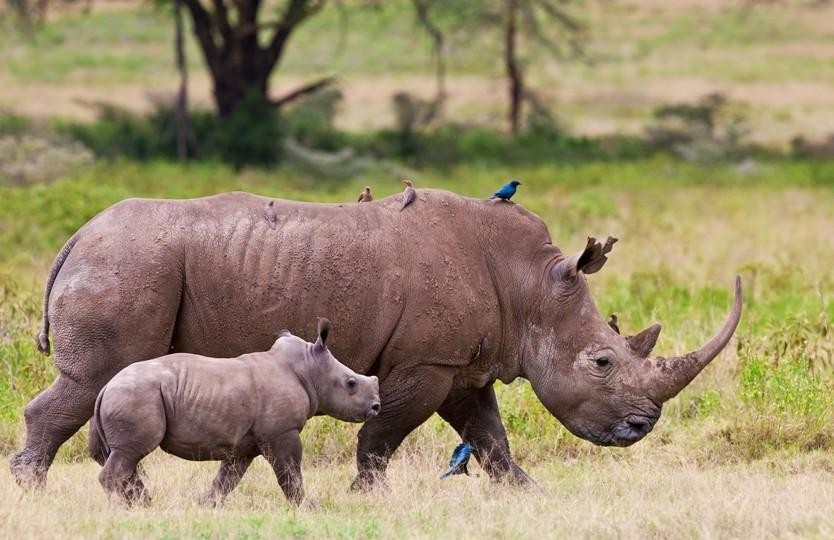
This park is famous for its shimmering pink spectacle of millions of flamingos that often gather on the alkaline lake, though their presence can vary. It’s also a sanctuary for black and white rhinos, making it one of the best places to see these endangered species. Other wildlife includes Rothschild’s giraffes, lions, leopards, and a wide variety of bird species. Activities include game drives and bird watching. The landscape around the lake features grasslands, rocky cliffs, and woodlands, adding to its beauty.
Samburu, Buffalo Springs, And Shaba National Reserve
Located in Kenya’s arid northern region, these reserves are known for unique species adapted to the drier conditions, often referred to as the “Samburu Special Five”: Grevy’s zebra, reticulated giraffe, Beisa oryx, Somali ostrich, and gerenuk. The Ewaso Ng’iro River flows through these reserves, providing essential water for wildlife. Cultural experiences with the Samburu people, closely related to the Maasai, are also a highlight, including visits to their traditional watering holes known as the Sarara Singing Wells. Activities include game drives and cultural village visits.
Aberdare National Park
This park covers a high-altitude mountain range with dense forests, moorlands, and spectacular waterfalls. It’s a refuge for elephants, black rhinos, leopards, and rare species like the bongo and giant forest hog. Unique lodge experiences, such as The Ark and Treetops, allow visitors to view animals from elevated platforms at night as they come to watering holes. Activities include game drives, forest walks, and bird watching.
Mount Kenya
Africa’s second-highest mountain offers challenging treks and technical climbing routes to its peaks, including Batian (5,199m). The surrounding Mount Kenya National Park is a UNESCO World Heritage Site with diverse ecosystems, from dense bamboo forests to alpine moorlands, and is home to various wildlife, including elephants, buffaloes, and colobus monkeys. Popular routes include Sirimon, Chogoria, and Naro Moru, offering varying levels of difficulty. Activities focus on trekking, mountain climbing, and wildlife viewing.
Hell’s Gate National Park
Unique among Kenyan parks, Hell’s Gate allows visitors to explore on foot or by bicycle. It’s characterized by dramatic geothermal activity, towering cliffs, and volcanic plugs. Activities include walking safaris, cycling through the park amidst zebras and giraffes, rock climbing on formations like Fischer’s Tower, and exploring the impressive Ol Njorowa Gorge. It’s also a popular destination for birdwatching.
Lake Naivasha
This freshwater lake in the Great Rift Valley is a haven for birdwatchers, with over 400 species recorded, including African fish eagles and various kingfishers. It’s also home to hippos and a variety of plains game that graze along its shores. Activities include boat trips to see hippos and birds, walking safaris on Crescent Island (a private conservancy where animals like giraffes and zebras roam freely and safely due to the absence of predators), and exploring nearby attractions like the Crater Lake Game Sanctuary.
Nairobi National Park
Just a few kilometers from the city center, this park offers incredible wildlife viewing, including the Big Five (though rhinos are more commonly spotted here), against the backdrop of the city skyline. It’s a testament to Kenya’s commitment to conservation.
Giraffe Centre
This conservation center focuses on the Rothschild’s giraffe, an endangered species. Visitors can hand-feed giraffes from a raised platform and learn about their conservation efforts.
David Sheldrick Wildlife Trust Elephant Orphanage
This famous orphanage rescues and rehabilitates orphaned elephants and rhinos, often from poaching incidents. Visitors can watch the baby elephants being fed and playing in the mud, learning about the challenges they face and the efforts to protect them.
Kenya Is Best Known For Culture And Heritage
Kenya’s cultural diversity is a profound aspect of its identity, offering immersive experiences that delve into the traditions and history of its people.
Maasai Villages
Masai culture in Kenya.

This is near Maasai Mara and Amboseli A visit to a Maasai village offers an authentic glimpse into the lives of this iconic semi-nomadic pastoralist community. Visitors can learn about their traditional homes (manyattas), witness traditional dances and jumping rituals (adumu), observe their vibrant beadwork, and understand their deep connection to livestock. These visits are often arranged in conjunction with safari tours and provide valuable insights into Maasai customs and beliefs.
Lamu Old Town
A UNESCO World Heritage Site, Lamu is the oldest and best-preserved Swahili settlement in East Africa. This charming island town transports visitors back in time with its narrow alleyways, ancient stone houses, carved wooden doors, and lack of motorized vehicles (donkeys are the primary mode of transport). Lamu’s culture is a fascinating blend of Swahili, Arab, and Indian influences. Activities include exploring the town on foot, visiting the Lamu Fort and Lamu Museum, taking dhow cruises to nearby islands, enjoying fresh seafood, and experiencing the annual Lamu Cultural Festival, which celebrates Swahili heritage with traditional music, dance, and crafts.
Fort Jesus, Mombasa
Another UNESCO World Heritage Site, Fort Jesus is a massive Portuguese fort built in the late 16th century to protect the port of Mombasa. Its impressive architecture reflects the military design of the Renaissance. Visiting the fort provides a deep dive into Kenya’s colonial past and the maritime history of the East African coast. Activities include guided tours of the fort, exploring its various chambers, battlements, and museums, and enjoying the panoramic views of the harbor.
Nairobi National Museum: Located in the capital city, the Nairobi National Museum is an excellent place to understand Kenya’s rich history, culture, paleontology, and natural heritage. It houses extensive collections, including artifacts from early human discoveries, ethnographic exhibits on Kenya’s diverse tribes, and displays of its rich bird and mammal life. It’s a perfect starting point for those looking to gain a comprehensive overview of the country.
Bomas of Kenya, Nairobi: This cultural center showcases the traditional homesteads and cultural performances of various Kenyan tribes. Visitors can walk through different traditional villages, each representing a unique ethnic group, and witness vibrant traditional dances and music performances. It offers a convenient way to experience the diversity of Kenyan cultures in one location.
Kenya Is Best Known For The Coastal And Beaches
Mombasa port in an aerial view.

Kenya’s Indian Ocean coastline is a paradise of white sandy beaches, clear turquoise waters, and vibrant marine life, offering a perfect blend of relaxation and aquatic adventure.
Diani Beach: Located south of Mombasa, Diani Beach is consistently ranked among Africa’s best beaches. It offers miles of pristine white sand, fringed by palm trees, and protected by a coral reef, making it ideal for swimming, sunbathing, and various water sports. Activities include kitesurfing, windsurfing, snorkeling, scuba diving, deep-sea fishing, and boat trips to explore the vibrant coral reefs and marine parks. Luxurious resorts and boutique hotels line the beach, catering to diverse preferences.
Watamu and Malindi: These coastal towns north of Mombasa are renowned for their marine parks and excellent diving and snorkeling opportunities. Watamu Marine National Park is a protected area teeming with colorful fish, sea turtles, and coral gardens. Malindi is popular for its Italian influence, vibrant nightlife, and exceptional kitesurfing conditions. Activities include snorkeling, scuba diving (including wreck dives), glass-bottom boat tours, dolphin watching, and visits to the Gedi Ruins (an ancient Swahili town) and the Arabuko Sokoke Forest, home to unique bird species and wildlife.
Wasini Island and Kisite-Mpunguti Marine Park: A short boat trip from the mainland south of Diani, Wasini Island is a tranquil escape known for its stunning marine park. Kisite-Mpunguti Marine National Park offers some of the best snorkeling and diving in Kenya, with abundant coral reefs, dolphins, and various fish species. Activities include dhow cruises, snorkeling, diving, and enjoying fresh seafood barbecues on the island.
Mombasa: As Kenya’s second-largest city and a major port, Mombasa is a bustling blend of history, culture, and modern life. Its Old Town, with its narrow streets and ancient buildings, reflects its Swahili, Arab, and Portuguese heritage. Besides Fort Jesus, activities in Mombasa include exploring local markets, visiting historical mosques and temples, enjoying Swahili cuisine, and relaxing on nearby beaches like Nyali and Bamburi. The city is a vibrant hub offering a taste of urban coastal life.
Adventure and Outdoors: For those seeking adrenaline and active exploration, Kenya’s diverse landscapes provide ample opportunities for adventure tourism.
Whitewater Rafting (Tana River, Ewaso Ng’iro River): For thrill-seekers, whitewater rafting offers an exhilarating experience. The Tana River, a few hours north of Nairobi, provides rapids suitable for both beginners and experienced rafters. The Ewaso Ng’iro River in Samburu National Park offers a unique rafting experience through a wildlife-rich area.
Skydiving: Along the Kenyan coast, particularly in Diani Beach and Watamu, skydiving offers breathtaking aerial views of the coastline, coral reefs, and vast ocean as you freefall from thousands of feet.
Walking and Camel Safaris: A more immersive and intimate way to experience the bush, walking and camel safaris allow visitors to connect with nature on a deeper level, learning about tracking, plants, and smaller creatures often missed on vehicle safaris. These are often offered in private conservancies and more remote areas like Laikipia or the Chalbi Desert.
Kenya Is Best Known for Its Urban Exploration
Kenya’s major cities, particularly Nairobi and Mombasa, offer their own unique blend of history, culture, and modern urban experiences.
Nairobi: The capital city is a vibrant, unique for being the only capital city in the world with a national park within its city limits.
Nairobi city In one bit

Karen Blixen Museum
The former home of the Danish author Karen Blixen, whose memoir “Out of Africa” romanticized colonial Kenya, is now a museum. It offers a glimpse into her life and the colonial era, set amidst beautiful gardens at the foot of the Ngong Hills.
Dining and Nightlife
Nairobi boasts a diverse culinary scene, from traditional Kenyan dishes to international cuisine. The city also has a lively nightlife with various bars, clubs, and entertainment venues.
Shopping
From bustling local markets like Maasai Market for crafts and souvenirs to modern shopping malls, Nairobi offers a range of shopping experiences.
Mombasa
As mentioned earlier, Mombasa is a historical coastal city. Its urban appeal lies in its rich heritage and the fusion of cultures. Exploring the Old Town, visiting Fort Jesus, experiencing the port, and savoring the unique Swahili cuisine are essential urban activities. The city serves as a gateway to the southern coast’s beautiful beaches and marine parks, seamlessly blending urban exploration with beach relaxation.
In summary, Kenya is a country of immense beauty and contrasts, where ancient traditions meet modern life, and diverse landscapes provide habitats for an incredible array of wildlife. Its rich history, vibrant cultures, and commitment to conservation make it a truly unforgettable destination for travelers seeking adventure, relaxation, or deep cultural immersion
Where to Stay in Kenya
Kenya offers a wide range of accommodation options to suit every budget and preference.
Luxury Tourists
Luxury accommodations in Kenya are all about exclusive experiences, top-notch service, and often stunning locations. These include:
- Safari Lodges & Tented Camps like Giraffe Manor (Nairobi) this is famous for giraffes interacting with guests at breakfast, Angama Mara (Maasai Mara) it offers breathtaking views of the Mara Triangle, Borana Lodge for a private safari experience in the Kenyan highlands,Cottar’s 1920s Camp (Maasai Mara) A classic, vintage safari experience, conservancies.
- Coastal Resorts like Alfajiri Villas near Diani Beach, Sirai Beach House in Kilifi
- City Hotels in Nairobi like Heming ways Nairobi, Eden Nairobi
Mid-Range Tourists
Mid-range options provide comfortable stays with good amenities and excellent value for money, often without compromising on prime locations, especially for safaris.
Budget Tourists
Budget options offer affordable accommodation, often with basic but clean facilities. These are ideal for backpackers or those looking to maximize their experience on a tighter budget.
- Hostels & Guesthouses in Nairobi The Library Hostel, Kozi Suites Nairobi Airport, Kenya Comfort Hotel, Parkside Hotel
- Budget Safari Camps like Enkorok Mara Camp in Maasai Mara, Lake Nakuru Lodge, Samburu Sopa Lodge in Samburu National Reserve.
- Many local guesthouses and smaller, independent camps often offer budget-friendly safari experiences, particularly outside the main national park gates or in community conservancies
How To Get There.
The primary way to get to Kenya for international travelers is by air.
By Air one can use.
There is Jomo Kenyatta International Airport in Nairobi is the main international gateway to Kenya. Many major airlines offer direct or connecting flights from around the world.
There is another one called Moi International Airport in Mombasa serves the coastal region and receives some international flights, particularly from Europe.
One can instead use domestic Flights Once in Kenya, there are numerous domestic flights connecting Nairobi to popular safari destinations (e.g., Maasai Mara, Amboseli, Laikipia, Samburu) and coastal towns. Local airlines like Safarilink and AirKenya operate frequent scheduled flights.
By Road:
For travelers within East Africa, it’s possible to enter Kenya by road from neighboring countries like Uganda, Tanzania, and Ethiopia. Ensure you have the necessary visa/eTA and vehicle documentation. The East African Community (EAC) has made cross-border travel easier for citizens of member states.
One is required to have a valid passport, proof of yellow fever vaccination is often required, especially if coming from or transiting through a yellow fever risk country, full COVID-19 vaccination certificate.
When to Visit Kenya
Kenya generally has two distinct dry seasons and two rainy seasons. The “best” time to visit depends on your priorities.
Dry Seasons (Peak Season)
Long Dry Season: June to October
This is widely considered the best time for wildlife viewing, especially for the Great Wildebeest Migration in the Maasai Mara typically during the late July to October, but exact timing varies. Animals gather around waterholes, making them easier to spot. The weather is generally cooler and less humid.
July-September: Ideal for the Great Migration river crossing in the Maasai Mara. Excellent for general game viewing across all parks.
Short Dry Season: January to Mid-March
Excellent for game viewing as animals are still concentrated around water sources. Skies are generally clear and sunny, and temperatures are warm to hot. This is also a fantastic time for beach holidays on the coast as the water is clear for diving and snorkeling.
January-February: Driest and hottest months, fantastic for wildlife and coastal activities. Lowest levels of precipitation in Maasai Mara.
Wet Seasons
Long Rainy Season in Late March to May
The landscape is lush and green, offering beautiful photographic opportunities. This is the low season, so you’ll find fewer crowds and significantly lower prices on accommodation and safaris. Excellent for birdwatching as migratory birds are present though making some roads challenging to navigate and potentially impacting game drive schedules. Some smaller camps might close.
Short Rainy Season: November to December
Similar to the long rainy season, with fewer crowds and better rates. The landscape is green and vibrant. Great for birding and seeing newborn animals. Rains are generally shorter, often occurring as afternoon showers.
Here are some other questions about Kenya and their brief answers:
What are the official languages of Kenya?
English and Swahili
What is “The Big Five” in Kenya?
Lion, Leopard, Elephant, Rhino, and Cape Buffalo – sought-after animals on safari.
What is the highest mountain in Kenya?
Mount Kenya, Africa’s second-highest peak after Kilimanjaro.
Is Kenya safe for tourists?
Yes, but like any country, it’s important to be aware of your surroundings, take precautions against petty crime in cities, and stay informed about travel advisories for certain regions.
What famous archaeological discovery was made in Kenya?
The oldest known human fossil, the “Turkana Boy,” was found near Lake Turkana, earning Kenya the nickname “Cradle of Humanity.”
What is Kenya’s main agricultural export?
Coffee is a major export, along with tea and cut flowers.
Are there good beaches in Kenya?
Yes, Kenya boasts beautiful white sandy beaches along its Indian Ocean coastline, particularly Diani Beach, Malindi, and Watamu.

Reasons to Visit Africa

TripAdvisor Travelers Choice Award 2026
Best Time To Trek Gorillas

The Ultimate African Safari Tipping Guide
Best Birding Hides in South Africa
Where To See African Spoonbill
National Parks
- African Safari Countries And National Parks
- Botswana National Parks and Game Reserves
- Kenya National Parks and Game Reserves
- Namibia National Parks and Game Reserves
- South Africa National Parks and Game Reserves
- Tanzania National Parks and Game Reserves
- Uganda National Parks and Game Reserves
- Zambia National Parks and Game Reserves
[gdlr_core_space height=”-10px”]
[gdlr_widget_box title=”Contact Details” title-color=”#ffffff” background=”https://demo.goodlayers.com/traveltour/wp-content/uploads/2017/01/widget-bg.jpg” color=”#c9e2ff” ]
Do not hesitate to give us a call. We are an expert team and we are happy to talk to you.
[gdlr_core_icon icon=”fa fa-phone” size=”20px” color=”#ffcf2a” margin-right=”10px” ] +256 774313798
[gdlr_core_icon icon=”fa fa-phone” size=”20px” color=”#ffcf2a” margin-right=”10px” ] +256 703296977
[gdlr_core_icon icon=”fa fa-envelope-o” size=”17px” color=”#ffcf2a” margin-right=”10px” ] info@kubwafive-safaris.com
[/gdlr_widget_box]
Contact Details
Safari Lodges and Hotels
- Safari Lodges And Hotels In Africa
- Safari Lodges And Hotels In Kenya
- Safari Lodges And Hotels In Uganda
- Safari Lodges And Hotels In Botswana
- Safari Lodges And Hotels In Ethiopia
- Safari Lodges And Hotels In Madagascar
- Safari Lodges And Hotels In Namibia
- Safari Lodges And Hotels In South Africa
- Safari Lodges And Hotels In Tanzania
- Safari Lodges And Hotels In Zimbabwe
Signup for our latest news
& articles