Best Time to Trek Gorillas: The Ultimate Seasonal Guide to Uganda & Rwanda
1. Introduction: The Magic of Mountain Gorilla Tracking
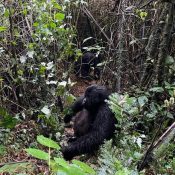
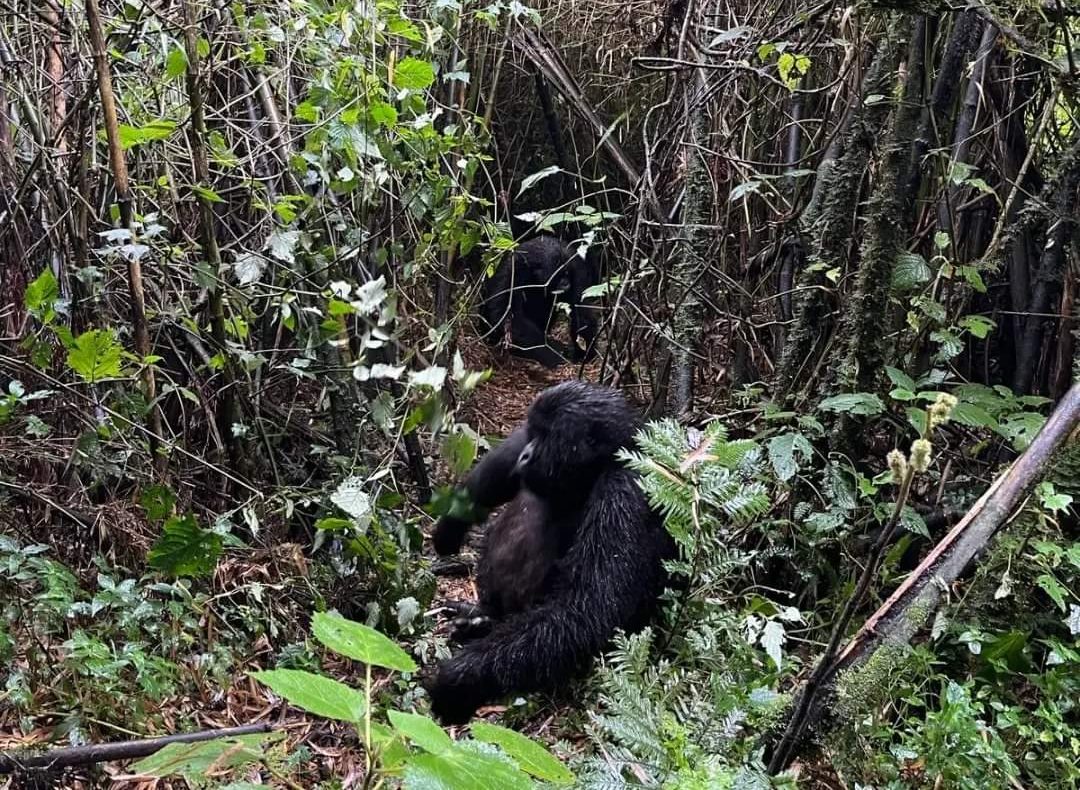
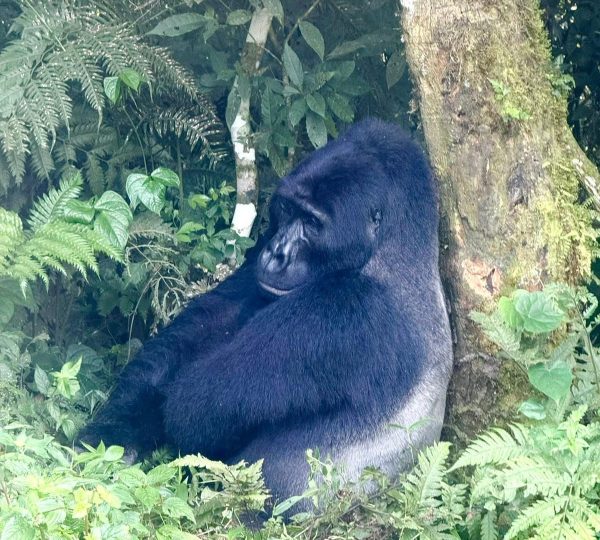
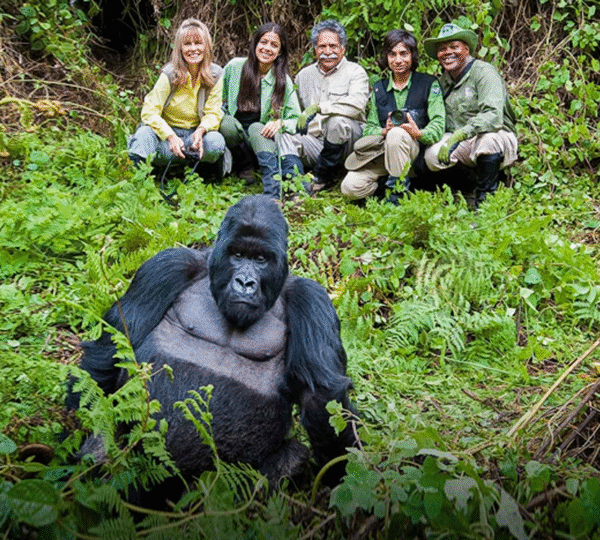
Stepping into an ancient, primeval rainforest and locking eyes with a wild silverback mountain gorilla is a transformative, bucket-list wildlife encounter. Unlike other safari activities where animals are viewed from the safety of a 4×4 vehicle, mountain gorilla tracking places you directly on your feet, navigating dense, tangled undergrowth, tracking footprints, and listening to the distant rustle of breaking bamboo leaves.
Because mountain gorillas are highly endangered and cannot survive in captivity or commercial zoos, they can only be visited in their natural habitats within East and Central Africa. The global population is protected within dense volcanic and montane forests, primarily split between Bwindi Impenetrable National Park and the Virunga Massif ecosystem.
When planning this adventure, one primary question shapes every choice: When is the best time to trek gorillas?
While gorilla safaris run continuously throughout the calendar year, local weather patterns dictate trail conditions, photography lighting, permit availability, and the physical stamina required to complete your trek. Booking your trip with an established, authorized tour operator like Kubwa Five Safaris ensures that you navigate these seasonal variations seamlessly, pairing you with expert guides who understand the shifting movements of the gorilla families across the seasons.
2. Fast Facts: Understanding Gorilla Trekking Climates
To fully appreciate how seasons influence your expedition, it helps to understand the unique geography of East Africa’s montane rainforests.
The best time to trek gorillas is during the dry seasons from June to September and December to February. During these months, minimal rainfall leads to drier, less muddy trails, making navigation through dense rainforests significantly easier. Consequently, these peak travel months experience high demand, requiring gorilla tracking permits to be booked 2 to 12 months in advance.
- Equatorial Position: Both Uganda and Rwanda rest near the equator. This means that day lengths remain constant year-round, and temperature variations are determined by elevation rather than latitude.
- Altitude Dynamics: High altitudes define these habitats. Volcanoes National Park in Rwanda ranges from 2,400 to over 4,500 meters, while Bwindi sits between 1,160 and 2,607 meters.
- Microclimates: Rainforests create their own weather systems. It can, and often does, rain heavily during the official “dry season” months.
- Temperature Ranges: Expect warm, humid days ranging from 21°C to 28°C (70°F to 82°F) and crisp, cold nights where temperatures drop to 9°C to 11°C (48°F to 52°F).
3. The Dry Peak Seasons: June to September & December to February
For the majority of global travelers, the absolute best time to trek gorillas falls squarely within the region’s two distinct dry windows: the long dry season from June to September and the short dry season from December to February.
The Long Dry Season (June, July, August, September)
This window serves as the absolute peak tourism season across East Africa. The period features minimal rainfall, which significantly alters your day-to-day experience inside the parks.
- Passable Trails: The forest floor receives a break from downpours, allowing the mud to dry out. Hiking steep volcanic ridges becomes less physically demanding when you aren’t slipping backward with every step.
- Thinned Undergrowth: The absence of intense rain slows down the aggressive growth of forest foliage. With thinner vegetation, your clear line of sight increases dramatically, allowing you to take crisp, unobstructed photos of gorillas foraging or grooming.
- Bwindi’s Sectors: In Bwindi Impenetrable National Park, access roads leading to remote tracking sectors—such as Rushaga, Nkuringo, and Ruhija—are stable and easily navigable by 4×4 safari vehicles.
- Great Migration Synergy: This dry period lines up with Kenya’s and Tanzania’s dry-season wildlife spectacles, such as the Wildebeest Migration in the Serengeti plains. It is simple to book a multi-country itinerary through Kubwa Five Safaris to combine savannah game drives with a dense forest primate trek.
The Short Dry Season (December, January, February)
The brief dry period spanning December through February offers another exceptional window for mountain gorilla tracking.
- Sunlight & Clear Skies: These months offer maximum blue skies and bright sunshine, which breaks through the thick forest canopies.
- Holiday Rush: This period covers the Christmas and New Year holiday cycle. Spaces at high-end eco-lodges and luxury forest camps fill up completely, meaning booking early is non-negotiable.
- Birding Onset: For enthusiasts looking to double-dip, January and February mark an outstanding period where native forest birds are joined by colorful, migratory bird species flying in from Europe and Northern Africa.
4. The Wet Green Seasons: March to May & October to November
Do not completely dismiss the rainy seasons. Known in the luxury travel sector as the “Green Season,” the wet months offer unique advantages that the dry, busy months cannot match.
The Long Rainy Season (March, April, May)
During these months, the region experiences its heaviest downpours. The landscapes transform into highly vibrant, lush shades of emerald green.
- Shorter Trekking Distances: Gorillas are primarily driven by food. During the wet season, fresh bamboo shoots and sweet wild berries grow in abundance along the lower slopes of the mountains. Because food is readily available nearby, gorilla families do not need to wander deep into the high elevations. Your hike to reach them can be significantly shorter compared to the dry season.
- Solitude and Privacy: The crowds thin out dramatically. Instead of sharing your allocated gorilla family with the maximum limit of eight travelers, you might find yourself in a tiny group of three or four people, resulting in a profoundly intimate experience.
- Atmospheric Photography: The rain brings mist, fog, and moody light. Photographing mountain gorillas enveloped in the legendary “mist” of the cloud forests produces fine-art travel photography that feels evocative and mysterious.
The Short Rainy Season (October, November)
November brings short, regular afternoon rain showers, interspersed with clear intervals of bright sun.
- Budget Flexibility: Many luxury safari lodges reduce their nightly rates during November to attract travelers. If you want to experience world-class eco-lodges at a fraction of their peak price, this is your target window.
- Last-Minute Permit Access: Finding available permits during peak seasons requires months of lead time. In November, it is often possible for specialized operators like Kubwa Five Safaris to secure last-minute permits for spontaneous travelers.
5. Gorilla Trekking Uganda vs. Rwanda: Month-by-Month Breakdown
To help you visualize your calendar year, here is a detailed, month-by-month structural matrix highlighting how gorilla trekking Uganda and gorilla trekking Rwanda shift across the seasons.
January (Dry Season / High Demand)
- Weather: Low rainfall, sunny skies, cool mornings.
- Trekking Conditions: Trails are solid and easy to navigate. High visibility for photography.
- Permit Strategy: Extremely competitive. Permits must be secured 6 to 9 months ahead.
February (Dry Season / Transition)
- Weather: Drier conditions continue, with slightly warmer afternoon temperatures.
- Trekking Conditions: Excellent. Muddy spots inside Bwindi Impenetrable National Park are minimal.
- Permit Strategy: High demand, especially for the first half of the month.
March (Start of Wet Season)
- Weather: Daily rains begin to set in, usually occurring as heavy afternoon thunderstorms.
- Trekking Conditions: Forest paths turn soft and slippery. Sturdy waterproof boots and gaiters are mandatory.
- Permit Strategy: Availability opens up; good for flexible bookings.
April (Peak Wet Season / Green Season)
- Weather: Heaviest rainfall of the year across both Uganda and Rwanda.
- Trekking Conditions: Challenging hikes. Steep valley descents require focus and physical stamina. Gorillas often forage at lower, easily accessible altitudes.
- Permit Strategy: High availability. Ideal for budget-focused travelers looking for lodge discounts.
May (Wet Season / Tapering Rain)
- Weather: Frequent showers continue, though intervals of sunshine increase toward the end of the month.
- Trekking Conditions: Forests are incredibly lush, rich in flora, and dense.
- Permit Strategy: Great month for dodging crowds before the major summer rush.
June (Start of Long Dry Season)
- Weather: Rain drops off sharply; clear, sunny days become the standard.
- Trekking Conditions: Rapidly drying trails make hiking far more comfortable.
- Permit Strategy: Peak season commences. Permits sell out entirely; early booking via your operator is essential.
July (Peak Dry Season)
- Weather: The driest month of the entire year across the region.
- Trekking Conditions: Optimal tracking conditions. Easy footing, though gorillas may hike higher up slopes in search of water and deep forest vegetation.
- Permit Strategy: Maximum competition worldwide. Expect full accommodations and busy park briefing headquarters.
August (Peak Dry Season)
- Weather: Consistently dry and pleasant. Mornings can be foggy and cold before clearing.
- Trekking Conditions: Fantastic. High light quality for photography and filming.
- Permit Strategy: Matches July for peak global demand. Ensure all permits are paid in full nearly a year in advance to guarantee your dates.
September (Dry to Wet Transition)
- Weather: Generally pleasant, with light rains slowly returning toward the tail end of the month.
- Trekking Conditions: Very good balance. Mild weather combined with thinning post-summer crowds.
- Permit Strategy: Highly recommended for savvy travelers seeking dry trails without peak-summer crowds.
October (Short Rainy Season)
- Weather: Increased humidity and regular rainfall patterns return.
- Trekking Conditions: Trails become slick once more. High humidity requires breathable, layered safari wear.
- Permit Strategy: Moderate availability; ideal for pairing with late-season savannah safaris.
November (Wet Season)
- Weather: Consistent rainfall, though less intense than the long rains of April.
- Trekking Conditions: Damp and muddy trails. Gorillas are active and unbothered by the weather.
- Permit Strategy: Excellent availability for last-minute bookings and custom low-season itineraries.
December (Short Dry Season)
- Weather: Rains clear away by mid-month, bringing back warm, bright days.
- Trekking Conditions: Rapidly improving trails. Perfect conditions for a winter-holiday getaway.
- Permit Strategy: Holiday travelers crowd the parks around Christmas. Advanced permit confirmation is critical.
6. Where to Go: Uganda vs. Rwanda Locations
Choosing where to trek is just as vital as choosing when to trek. While the weather patterns across the two nations mirror each other closely, the terrain, cost structures, and overall park experiences differ vastly.
Uganda: Bwindi Impenetrable Forest & Mgahinga
Uganda is home to roughly half of the remaining global mountain gorilla population. Treks occur across two distinct national parks:
- Bwindi Impenetrable National Park: A massive, ancient, UNESCO World Heritage site defined by rugged ridges, deep valleys, and incredibly thick cross-cutting vegetation. Bwindi is divided into four main tracking sectors: Buhoma (North), Ruhija (East), Rushaga (South), and Nkuringo (South/West).
- Mgahinga Gorilla National Park: Part of the tri-national Virunga Massif, Mgahinga features open bamboo forests along three dramatic, extinct volcanoes. It hosts a single habituated gorilla group (the Nyakagezi family), known for its stability and preference for easily accessible terrain.
- The Experience: Uganda offers a wild, untamed, raw adventure. The hikes can be intensely physical, demanding high stamina. However, the gorilla trekking Uganda price provides immense value for budget-conscious and mid-range safari enthusiasts.
Rwanda: Volcanoes National Park
Located in the northwestern corridor of Rwanda, Volcanoes National Park provides a highly structured, accessible, and premium primate encounter.
- The Terrain: The park consists primarily of high-altitude montane forests and extensive fields of bamboo. Because bamboo grows straight up without the thick, tangled undergrowth found in Bwindi, walking through Volcanoes National Park is generally clearer and allows more open space for photography.
- Logistical Simplicity: Volcanoes National Park sits just a 2.5-hour drive on smooth asphalt roads from Kigali International Airport. This allows travelers with restricted schedules to complete a full gorilla safari in as little as two to three days.
- The Premium Factor: Rwanda positions itself as a luxury ecotourism destination. While the experience is highly polished and features phenomenal upscale lodges, it carries a higher entry price point compared to Uganda.
7. Direct Comparison Matrix: Seasonality vs. Destinations
| Feature | Peak Dry Season (June – Sept / Dec – Feb) | Wet Green Season (March – May / Oct – Nov) |
|---|---|---|
| Trail Quality | Dry, firm, minimal slipping. | Muddy, slippery, challenging slopes. |
| Trek Difficulty | Variable; gorillas may travel higher up slopes. | Often shorter; gorillas stay on lower slopes. |
| Photography | Clear lighting, sharp lines, thin bush. | Moody, misty, deeply saturated greens. |
| Permit Booking | Must secure 6 – 12 months in advance. | Flexible; last-minute openings common. |
| Crowd Levels | Maximum capacity at park gates. | Highly private, intimate tracking groups. |
| Lodge Pricing | Peak, non-negotiable standard rates. | Great discounts and green-season promotions. |
8. The Cost Factor: Understanding Gorilla Trekking Permit Prices
Gorilla conservation relies completely on permit revenues. The funds generated from standard tracking permits are injected directly into park enforcement, anti-poaching patrol units, veterinary medical support, and local community infrastructure development projects surrounding the parks.
Uganda Permit Structures
- Standard Gorilla Trekking Permit: $800 USD per person for Foreign Non-Residents. This grants you exactly one hour of face-to-face time with a fully habituated gorilla family once located.
- Gorilla Habituation Experience: $1,500 USD per person. Available exclusively in the southern Rushaga sector of Bwindi, this unique layout allows you to accompany researchers and rangers as they habituate wild families. You spend four hours in the presence of the gorillas.
- Seasonal Discounts: Unlike previous decades, Uganda standardizes its permit prices year-round across all seasons to maintain consistent conservation funding.
Rwanda Permit Structures
- Standard Gorilla Trekking Permit: $1,500 USD per person for international visitors.
- Special Offers: Rwanda offers targeted permit discounts (such as 30% off) if you book a combined package to explore other national parks like Akagera (savannah game viewing) or Nyungwe Forest National Park (chimpanzee tracking).
9. Essential Packing List Based on Seasonality
Regardless of the season you choose, entering a tropical montane rainforest requires specific gear to keep you safe, warm, and comfortable.
- Footwear: Rugged, high-ankle waterproof hiking boots with intense rubber tread. Avoid thin running shoes, as they provide zero traction on slick clay slopes.
- Gaiters: Essential for keeping thick mud, stinging nettles, and crawling safari ants out of your socks and boots.
- Clothing Layers: Lightweight, moisture-wicking long-sleeve shirts and durable long trousers. Long sleeves guard your skin against thorn scratches and insect bites.
- Rain Protection: A heavy-duty, breathable, waterproof rain jacket or poncho. Carry this in your daypack even if you are trekking in July.
- Gardening Gloves: Tough leather or thick rubberized gardening gloves. You will frequently need to grab thorny branches or muddy roots for balance during steep climbs.
- Insect Repellent: A high-concentration spray to keep mosquitoes and biting tsetse flies away.
- Camera Gear: A high-quality camera body paired with a fast telephoto lens (e.g., 70-200mm f/2.8). Note: Flash photography is strictly forbidden as it can provoke a defensive charge from the silverback.
10. Planning with Kubwa Five Safaris: Your Expert Partner
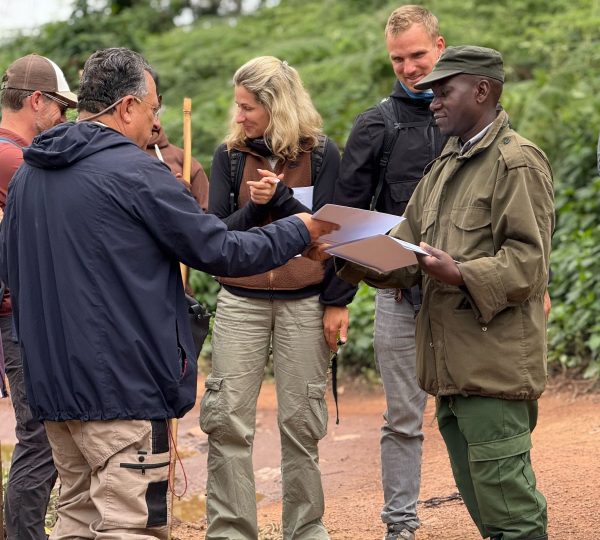
Planning a seamless African primate expedition requires matching seasonal weather patterns with logistics, flight arrivals, border transfers, and permit confirmations. Working alongside Kubwa Five Safaris removes the stress from this intricate process.
As a fully licensed, premier tour operator with deep roots in East Africa, Kubwa Five Safaris maintains direct, daily lines of communication with the Uganda Wildlife Authority (UWA) and the Rwanda Development Board (RDB). Whether you want to navigate the sun-drenched dry trails of July or capitalize on the private, cost-effective green windows of November, their team structures custom-tailored itineraries.
From coordinating specialized 4×4 transport across rugged mountain sectors to matching you with professional local porters and booking the finest eco-lodges, they ensure your journey is comfortable, safe, and deeply supportive of native conservation efforts.
11. Conclusion: The Best Time Is Your Time
Ultimately, there is no single “wrong” time to embark on a mountain gorilla safari. The gorillas remain in their forest homes 365 days a year, carrying out their family dynamics regardless of whether the sun is shining or a warm equatorial rain is falling.
- Choose the Dry Seasons (June-September & December-February) if your priority is easy hiking, firmer foot trails, and pairing your trip with classic East African savannah safaris.
- Choose the Wet Seasons (March-May & October-November) if you want to avoid mass crowds, experience shorter walking distances as gorillas forage low on the mountain slopes, and enjoy greater lodge value.
The misty volcanic forests are calling. By selecting the season that fits your personal physical capabilities, budget preferences, and travel style, you are guaranteed an encounter that will stay etched in your memory forever.
If you are ready to start planning your custom primate expedition, let me know:
- Which country stands out to you most Uganda or Rwanda?
- What is your preferred travel window or month?
- What is your target fitness level or trekking preference (e.g., short walk vs. intense mountain hike)?
We can instantly map out a tailored itinerary structure to turn your gorilla safari dreams into reality.