
What Is Ethiopia Best Known For?
What is Ethiopia best known for? Now sit and discover the famous aspects of Ethiopia from its ancient rock-hewn churches and rich coffee culture to stunning highlands and vibrant traditions. A journey through the heart of Africa’s most iconic land.
9 Iconic Reasons The World Celebrates Ethiopia
Ethiopia is not just a country, it is a living and breathing canvas of history, faith, resilience, and beauty. It is where kingdoms rose before Europe imagined empires, where coffee first kissed the lips of mankind and where mountains whisper legends. Let us explore the timeless wonders that make this land one of Africa’s most remarkable destinations.
1. The Unique Calendar And Alphabet
Step into Ethiopia, and you step into a different moment in time literally. While most of the world follows the Gregorian calendar, Ethiopia lives by its own ancient calendar, one that is 7 to 8 years behind the rest of the world.
The Ethiopian calendar has 13 months with 12 months having 30 days each, and one tiny month of 5 or 6 days (called Pagumē). The new year begins in September, aligning with the end of the rainy season, when fields turn green and the land breathes with life. Ethiopians proudly say, “We have 13 months of sunshine,” and it is more than a phrase, it is a promise of cultural richness lived daily.
But that is not all. Ethiopia also writes its story using its own ancient script the Ge’ez alphabet (also known as Fidel). This beautiful, curving script has been in use for over 1,500 years and is still the written language of Amharic, Tigrinya, and liturgical texts in the Ethiopian Orthodox Church. Each symbol in the Ge’ez script is a piece of history, and watching it being written or engraved in stone feels like observing a living heritage unfold.
Together, Ethiopia’s calendar and alphabet are more than tools for time and language, they are symbols of independence, identity, and resilience, showing how this nation has carved its own path through history.
2. African Territory That Remained Independent
In a continent carved and claimed by foreign empires, Ethiopia stood alone unyielding, undefeated, and uncolonized.
When European powers gathered at the Berlin Conference in the late 19th century to divide Africa among themselves, they expected Ethiopia to fall in line. But Ethiopia, under the leadership of the fierce and visionary Emperor Menelik II, had different plans.
In 1896, at the legendary Battle of Adwa, Ethiopian warriors armed with determination, strategy, and the will of a sovereign people delivered a crushing defeat to the invading Italian forces. The victory was not just a battlefield triumph; it was a thunderous declaration to the world: “Africa is not for the taking.” Adwa became a symbol of Black pride, Pan-African resistance, and national unity not just for Ethiopians, but for generations of freedom fighters across the continent.
Even today, this legacy of independence beats through every corner of Ethiopian life:
• It is in the Ge’ez script that was never replaced by foreign letters.
• It is in the calendar that follows its own timeline, not the West’s.
• It is in the flag, one of the few never lowered for a foreign ruler.
To walk in Ethiopia is to walk in a country that shaped its own destiny, kept its culture intact, and became a lighthouse for the rest of Africa.
3. The Birthplace Of Coffee
Long before coffee shops dotted global city corners, before espresso machines hissed and cappuccinos frothed, a simple goat herder in the green hills of Kaffa, Ethiopia, made a discovery that would forever change the rhythm of the world. His name was Kaldi, and the story, as legend goes, began with his goats. One day, Kaldi noticed that his flock was unusually energetic, dancing and leaping after chewing the red berries from a certain wild bush. Curious, he tried the berries himself and soon felt the same joyful alertness coursing through him.
Word of this magical fruit reached local monks, who began to brew it into a hot drink that kept them awake during long prayers and night vigils. Thus, coffee was born not as a drink, but as a sacred experience. From these misty Ethiopian highlands, coffee traveled with merchants across Arabia, North Africa, and Europe, evolving in preparation and purpose. But its soul never left Ethiopia.
Today, coffee in Ethiopia is not just consumed it is celebrated. The traditional coffee ceremony is a slow, deliberate ritual of roasting, grinding, brewing, and sharing. It is performed in homes and villages daily, symbolizing community, hospitality, and connection.
Here, you do not just sip coffee, you listen to it crackle in the pan, smell it in the air, and share it with friends and strangers alike. Three rounds abol, tona, and baraka are served, each cup deepening the bond between the people around it.
Ethiopia gave the world coffee, but never let it go. It remains part of the land, the culture, the heartbeat of everyday life.
4. The Cradle Of Ancient Civilization
The Ark of the Covenant
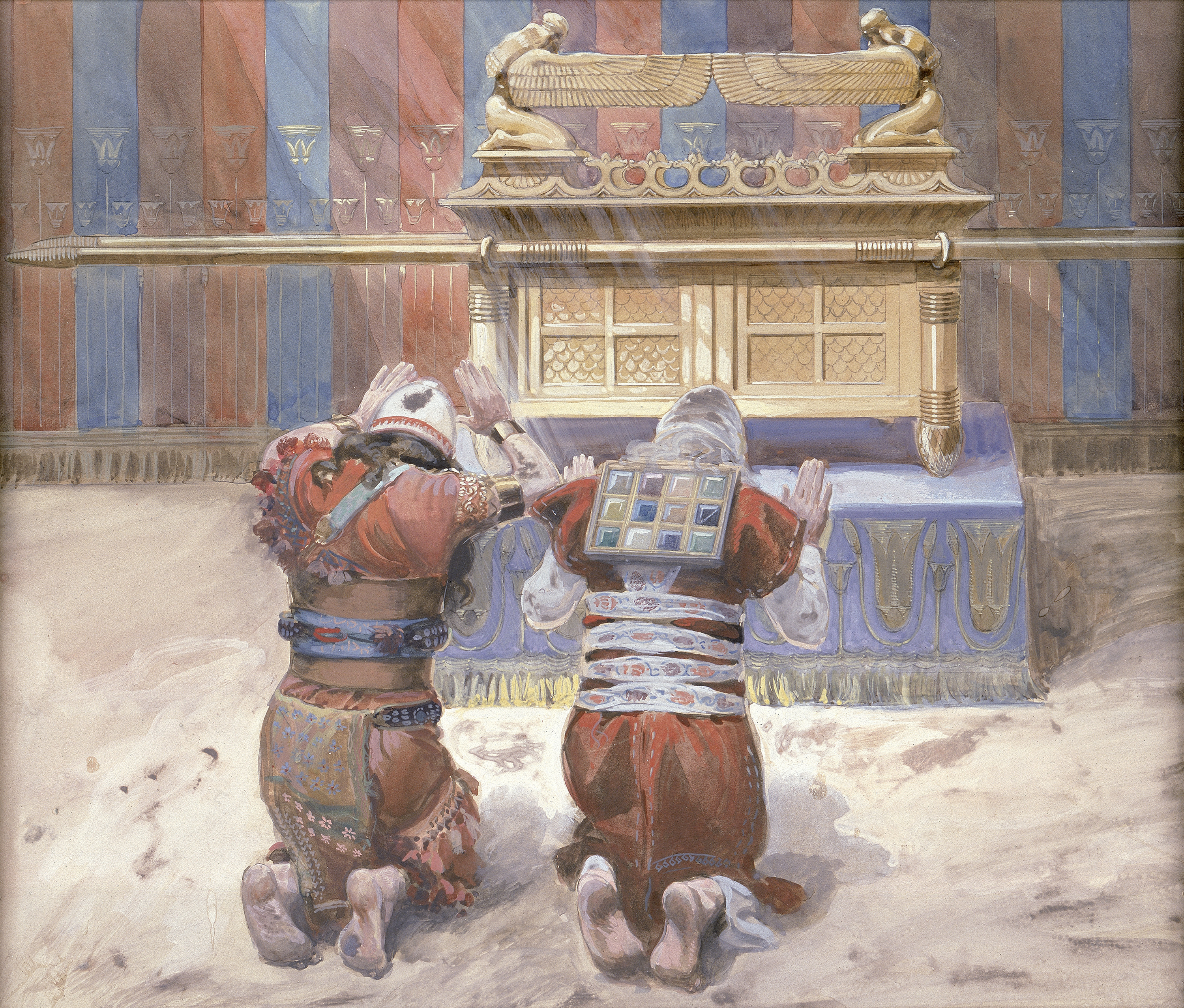
Before the rise of Rome or the glory of Greece, long before modern borders were ever imagined, there stood a kingdom in the Horn of Africa whose reach stretched across deserts, seas, and centuries. That kingdom was Axum, the heart of ancient Ethiopia, a powerful empire that once rivaled the world’s greatest.
From the 1st century A.D., Axum grew into a mighty trade empire, minting its own gold coins, building towering stone obelisks, and maintaining bustling trade routes with Egypt, India, Persia, and Byzantium. The Obelisks of Axum, some over 20 meters high and carved from single blocks of stone, still pierce the Ethiopian sky timeless symbols of ingenuity, power, and artistic mastery. But Axum was more than just commerce and stone.
It is believed to be the final resting place of the Ark of the Covenant, hidden within the Church of Our Lady Mary of Zion, guarded by a single monk whose duty is for life. This sacred legend connects Ethiopia not only to history, but to biblical myth, placing it at the spiritual crossroads of Judaism, Christianity, and Islam.
The ancient Queen of Sheba, famed in both the Bible and the Quran, is also said to have ruled from here her journey to meet King Solomon in Jerusalem giving rise to Ethiopia’s Solomonic dynasty, a royal bloodline believed to stretch back to 3000 years.
Even Ethiopia’s written language, Ge’ez, traces its roots back to these ancient times. Still used today in religious scripture, Ge’ez is a living reminder that Ethiopia has never been just a part of history it is history. To walk through Axum, Gondar, or Lalibela is to step not into ruins, but into pages still echoing with chants, prayers, and stories whispered across millennia. Ethiopia’s ancient history is not locked in museums, it lives in the dust of its roads, the silence of its temples, and the proud eyes of its people.
5. Ethiopia’s UNESCO World Heritage Sites
When the world pauses to recognize a place as a UNESCO World Heritage Site, it means that place holds exceptional value not just to one nation, but to all of humanity. And Ethiopia holds more of these globally honored sites than any other country in Africa. Each one is a living monument to Ethiopia’s depth where history, spirituality, architecture, and nature come together in powerful harmony.
Let us journey through the crown jewels of Ethiopia’s global heritage:
- The Rock-Hewn Churches of Lalibela-Carved straight from volcanic rock in the 12th century, the 11 sunken churches of Lalibela form a sacred labyrinth of tunnels, courtyards, and chapels. Still in use today, they are a testament to faith made stone, and to the medieval architecture that defied time and tools.
- The Ancient City of Axum-Once the heart of a vast African empire, Axum is where history breathes through towering granite obelisks, crumbling palaces, royal tombs, and sacred chapels, making it one of the most spiritually significant places on Earth.
- Fasil Ghebbi (The Royal Enclosure of Gondar)-Step into Gondar, and you step into a forgotten kingdom of emperors. Known as the “Camelot of Africa,” this 17th-century fortress city is filled with castles, banqueting halls, and royal baths, all surrounded by high stone walls. It is a scene unlike any other in Africa medieval, mysterious, and majestic.
- Simien Mountains National Park-Where eagles glide and cliffs fall into valleys below, the Simien Mountains are among the most spectacular alpine landscapes in the world. This UNESCO site protects not only dramatic peaks and escarpments, but also rare wildlife like the Ethiopian wolf, Gelada baboons, and the Walia
ibex. - Tiya the Mysterious Stone Monuments-Just south of Addis Ababa lies Tiya, a field of over 36 engraved stelae ancient stone markers whose full meanings are still unknown. Some stand as tall as six meters, each carved with enigmatic symbols believed to mark burial sites of warriors or chiefs.
Each site tells a part of Ethiopia’s grand story of civilizations that rose with stone and song, of cultures that thrived in harmony with the land, and of a nation that has preserved its identity through centuries of change. To walk among Ethiopia’s World Heritage Sites is to walk in the footsteps of kings, saints, warriors, and wise ones. It is not just tourism, it is time travel with your eyes wide open.
6. The Outstanding Cultural Diversity
To visit Ethiopia is to step into a living mosaic of languages, colors, beliefs, and customs. With over 80 distinct ethnic groups and more than 90 spoken languages, Ethiopia is not just culturally rich, it is cultural richness itself.
Each region holds its own world. In the southern valleys, the Hamar, Mursi, and Karo people paint their bodies, adorn themselves in beads, and mark rites of passage with age-old ceremonies. Among the highlands, the Amhara, Tigray, and Oromo preserve ancient Christian traditions, express themselves in melodic liturgies, and share stories in Ge’ez, Amharic, and Afaan Oromo.
Travel east and you will find the Somali region, where pastoralist life thrives and Islam shapes culture and rhythm. In the west, the Anuak and Nuer live along the rivers, deeply connected to nature and ancestral land. But despite these striking differences in dress, dance, dialect, and belief, there is unity in Ethiopia’s diversity. All tribes, all peoples, move together under the green-yellow-red flag with a shared pride in identity and homeland.
This diversity is not just beautiful; it is a symbol of resilience. It survived colonial threats and modern pressures. From the vibrant markets of Addis Ababa to the tribal ceremonies in the Omo Valley, every interaction becomes a chance to witness the depth of Ethiopia’s human story, one voice, made of many tongues.
7. The Ethiopian Orthodox Tewahedo Church

Long before cathedrals rose in Europe, long before many modern nations were born, the Ethiopian Orthodox Tewahedo Church had already taken root in the highlands of Africa. It is not just one of the oldest Christian churches in the world but also a faith woven into the fabric of Ethiopia’s national identity.
Christianity reached Ethiopia in the 4th century A.D., when King Ezana of Axum declared it the state religion. Since then, the Ethiopian Orthodox Tewahedo Church has shaped the nation’s art, music, architecture, calendar, and daily life with unmatched devotion.
Step into a highland church at dawn, and you will hear the low hum of ancient Ge’ez chants, sung by white-robed priests swaying gently beside flickering candles. Incense rises like prayers into the shadows of the stone walls. Outside, villagers bow in silence, wrapped in netela shawls, clinging to a faith that has lived through centuries of change but never changed itself.
The Church is known for its distinct theology, ancient manuscripts, and iconography painted on cave walls and parchment. Its holiest day, Timket (Epiphany), turns cities and villages into rivers of white robes and umbrellas, as thousands gather to reenact the baptism of Christ in public waters.
And perhaps there is no where else where the soul of the Church is more visible than in Lalibela, where 11 monolithic churches were carved from solid rock, some below ground, all connected by tunnels, each filled with sacred relics and whispered prayers.
The Ethiopian Orthodox Tewahedo Church is not just a religion, it is a keeper of heritage, a guardian of sacred tradition, and a powerful symbol of Ethiopian identity. It has endured through invasions, isolation, and modernization, standing tall with its cross-shaped keys, its golden processional umbrellas, and its unwavering faith.
To understand Ethiopia is to understand this Church not as an institution, but as a living, breathing presence felt in every village bell and every mountain chapel.
8. Breathtaking Landscapes
The Danakil Depression
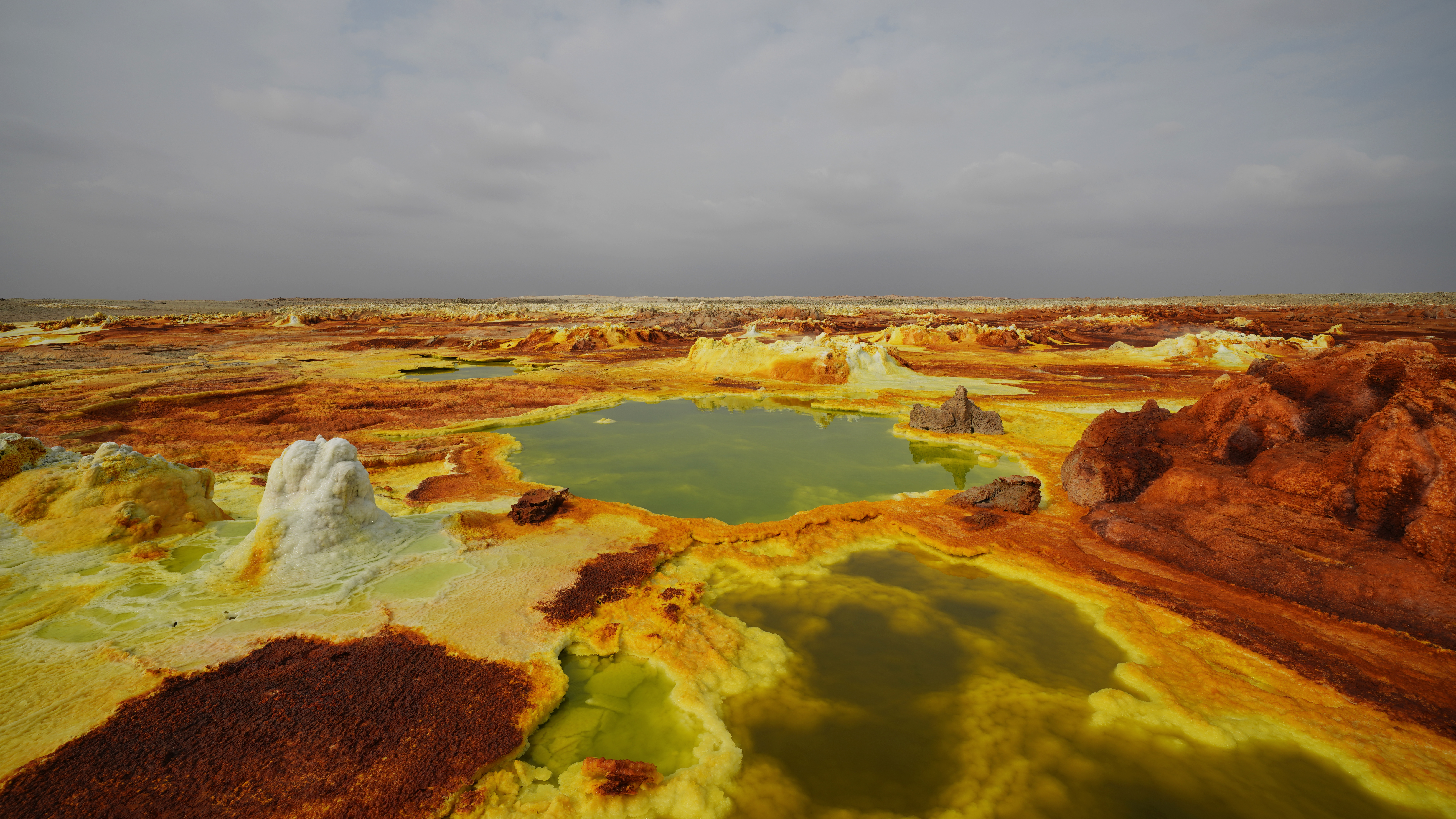
What is Ethiopia best known for in nature? Everything. The Simien Mountains, often called the “Roof of Africa,” stretch like stone spires into the clouds, home to Gelada baboons and the rare Ethiopian wolf. In stark contrast, the Danakil Depression lies below sea level, an alien world of lava lakes, neon springs, and volcanic craters.
Add to that the lush Bale Mountains, Lake Tana’s blue heart, and the mysterious caves of Sof Omar, and you find a country shaped by fire, wind, and water each place more surreal than the last.
9. Vibrant Festivals And Spiritual Traditions
The Timket Festival

Ethiopian music is as diverse as its people. Whether it is the winding melodies of the krar, the percussive eskista dance, or the sacred chants of Axumite churches, sound in Ethiopia is sacred. Join the streets during Timket (Epiphany), Meskel, or Enkutatash (New Year), and you will find a nation alive with color, rhythm, and celebration.
WHERE TO STAY WHEN YOU VISIT ETHIOPIA
Luxury Accommodations
• Sheraton Addis – A 5-star landmark in Addis Ababa offering world-class comfort, fine dining, and serene gardens.
• Limalimo Lodge – An eco-luxury gem perched in the Simien Mountains, offering panoramic views and refined wilderness charm.
Mid-Range Accommodations
• Jupiter International Hotel – A well-rated, centrally located hotel in Addis Ababa with reliable service and modern amenities.
• Panoramic View Hotel – A charming stay in Lalibela with sweeping valley views and close access to the famous churches.
Budget Accommodations
• Mr. Martin’s Cozy Place – A backpacker favorite in Addis Ababa, known for its friendly staff and affordable rates.
• Seven Olives Hotel – One of Lalibela’s oldest hotels offering basic, clean rooms and rich historical ambiance at a great price.
BEST TIME TO VISIT ETHIOPIA
The best time to visit Ethiopia is during the dry season from October to March. This period offers clear skies, comfortable temperatures, and it is perfect for exploring historical sites, trekking in the mountains, and attending major festivals like Timket (January) and Meskel (September). Avoid the heavy rains of June to early September, especially for road travel and hiking.
How To Get To Ethiopia
The main gateway is Bole International Airport in Addis Ababa, serviced by Ethiopian Airlines, Africa’s most reputable carrier.
For covering long distances, Ethiopian Airlines offers affordable domestic flights to major destinations like Lalibela, Gondar, Axum, Bahir Dar, and Dire Dawa.
Private Car, the most flexible and comfortable way to explore Ethiopia’s historical and natural sites especially remote places like the Simien Mountains or Omo Valley. Recommended for safaris and multi-day tours.
Tour Buses and Minivans that are budget-friendly option for intercity travel, though often slow and crowded. Best used for short journeys.
Frequently Asked Questions
Do I need a visa to visit Ethiopia?
- Yes, most travelers need a visa, but you can easily apply for an e-Visa online before arrival.
What language is spoken in Ethiopia?
- The official language is Amharic, but over 80 local languages are spoken across regions. English is widely used in tourism and business.
Is Ethiopia safe for tourists?
- Generally, yes, Ethiopia is safe for tourists. Always travel with a trusted guide and stay updated on local news.
What currency is used in Ethiopia?
- The Ethiopian Birr (ETB). It is best to carry cash for rural areas, though ATMs are available in cities.
Conclusion
Ethiopia is not just a destination it is a journey through time, tradition, and breathtaking beauty. From its ancient churches and living cultures to its mountain peaks and coffee roots. Let Kubwa Five Safaris be your trusted travel company as you explore the best that Ethiopia has to offer. Book your unforgettable Ethiopian adventure and let the story begin.