Top 6 Eye Catching Cultural Tours In Ethiopia With A Thriving Experience
Here are the top 6 eye catching cultural tours in Ethiopia that offer a thriving experience. From tribal villages to ancient churches, explore the heart of Ethiopia’s heritage. Cultural tours in Ethiopia are more than just travel.
1. The Serene Rock Hewn Churches of Lalibela
The Divine Dream. Origins Rooted in Faith. The tale about these churches is intriguing, and as you read it, you may feel a change of energy within yourself. King Lalibela took this vision to heart and began an extraordinary construction project, unlike anything the world had seen. Legend holds that while men carved by day, angels shaped by night, doubling the progress and infusing each chamber with heavenly grace.
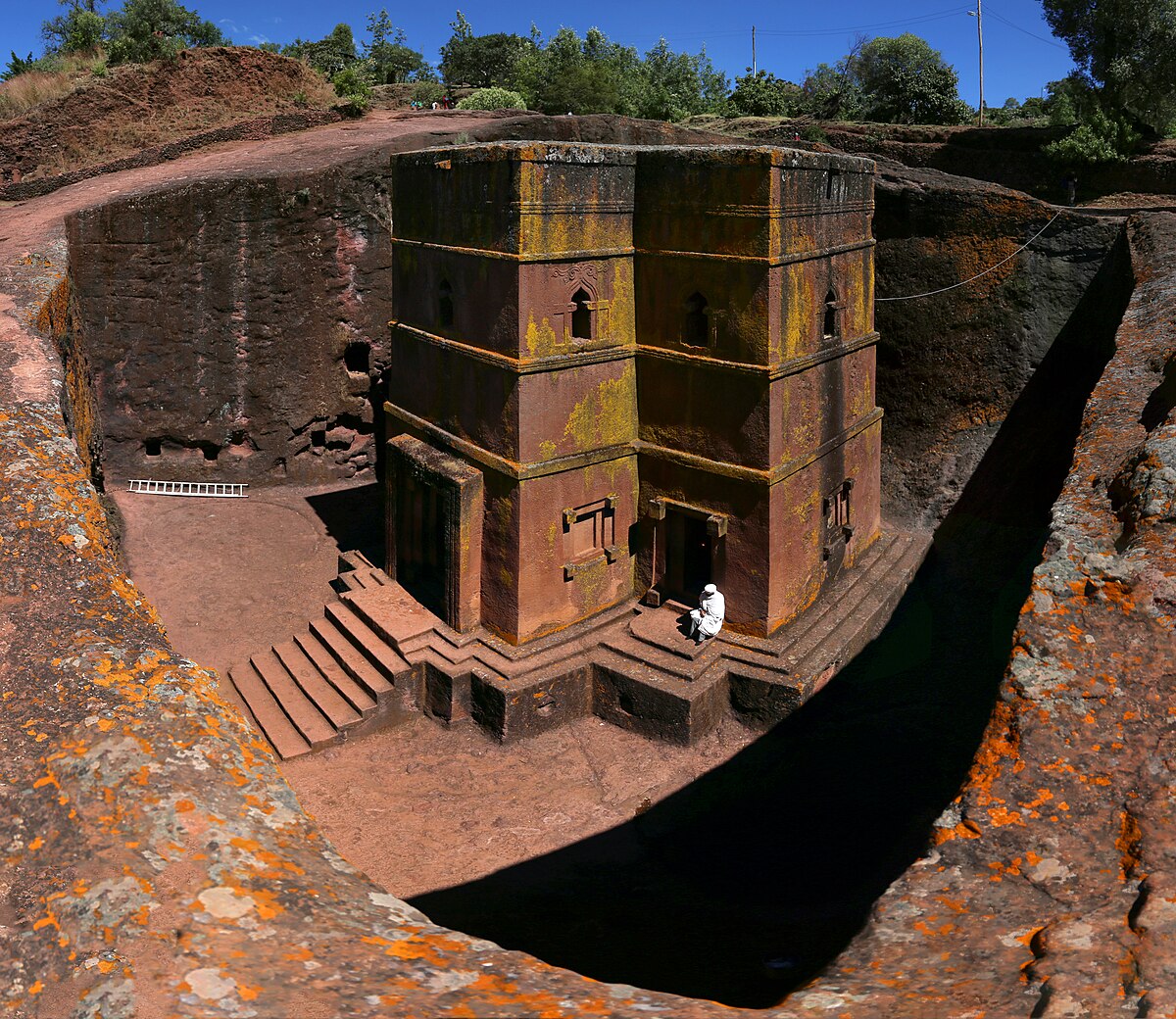
Unlike traditional churches that rise towards the sky, Lalibela’s holy sanctuaries are cut downward into the earth. These monolithic wonders are not additions to the landscape; they are part of it. The Northern group has Bete Medhane Alem (House of the Savior of the world). This is said to be the most beautiful and largest monolithic church in the world supported by 34 massive pillars.
- Bete Maryam (House of Mother Mary) is considered the oldest of all the 11 churches and one of the most beautifully decorated and adorned.
- Bete Golgotha and Bete Mikael are linked churches that contain reverent tombs and mysterious chambers believed by some to include the tomb of King Lalibela himself.
- Bete Meskel (House of the Cross) is a smaller chapel-like space, carved with symbolic precision.
- Bete Emmanuel (House of Emmanuel) is thought to be the royal chapel, with precise Axumite-style carving suggesting it was used by the Zagwe kings.
- Bete Abba Libanos (House of Abba Libanos) is built into the cliffside, partially detached from the rock wall, giving it an ethereal appearance.
- Bete Gabriel Rufael (House of Gabriel and Raphael) was possibly a former palace or fortress before it became a church.
- Bete Lehem (House of Bread) is a tiny chapel symbolizing the birthplace of Christ.
- Bete Giyorgis (St. George’s Church) is the Jewel of Lalibela. Rising from a cross-shaped pit like a divine sculpture untouched by time, it is the most iconic of them all. Perfectly carved in the shape of a Greek cross, Bete Giyorgis is freestanding, detached from the surrounding rock, and accessible only by a narrow tunnel. Legend says Saint George himself rode into the city to bless it after being upset his name was left out of the original plan, and thus, the church was built in his honor.
What makes Lalibela truly unique is that it is not a forgotten relic, it is a living, breathing spiritual center. A Living Pilgrimage, not a museum.
During Timket (Epiphany) and Genna (Christmas), Lalibela transforms into a spiritual theater. The rock-hewn churches of Lalibela remain an engineering enigma since it encourages trekking in Ethiopia. Experts still marvel at how artisans, with no modern tools, achieved such scale and precision. Inside, you will find columns, domes, altars, and symbolic carvings, all hollowed from a single block of stone. The fact is, Ethiopia cultural tours are the best.
The Serene Rock Hewn Churches Of Lalibela

2. The Monumental And Time Honored Empire Of Gondar
Here, towering castles and palaces rise from lush gardens, whispering tales of coronations, banquets, and battles. Explore Debre Berhan Selassie Church, famous for its ceiling of angelic faces each uniquely painted, watching silently as visitors pass.
The Simien and Tigray Highlands Tribes. Cultural tours in Ethiopia are not limited to historical sites; they take you into living communities that have barely changed in hundreds of years.
3. The Atrabilious Omo Valley
Ethiopia’s most mysterious, vibrant, and soul stirring destination, Omo Valley. Declared a UNESCO World Heritage Site, the Omo Valley is one of the most culturally diverse regions on Earth, home to over 16 distinct indigenous tribes each with their own language, customs, body art and belief systems. Now make yourselves comfortable on that seat, bed, living room and all your mind on a cyber vacation to trek through the thrilling tribes with your number one tour company, KUBWA FIVE SAFARIS;
- The Mursi people are among the most recognized tribes, famed for the dramatic lip plates worn by the women. To outsiders, this may appear extreme, but for the Mursi, it is a sacred symbol of strength, beauty, and cultural pride. In this tribe, men and women decorate their bodies with white chalk patterns, creating moving canvases of living art. Despite the pressure of modernity, the Mursi fiercely protect their customs, guarding a way of life that echoes across centuries.
- In the dry plains of the valley, you will find the Hamar tribe, where cattle are the Kings. The Hamar people’s lives revolve around their cattle, not only as wealth but as sacred beings.
- On the banks of the Omo River live the Karo tribe, known for their captivating and graceful body painting traditions.
- The Karo tribe is known to have fewer members than other tribes, making their culture even more precious.
- The Dassanech are the survivors of the floodplains. Nomadic and resilient, they reside in the lower Omo Valley near Lake Turkana.
- The Arbore, Bodi, and Nyangatom tribes are just a few of the many you will encounter, each adding its own verse to the song called The Omo Valley.
- Then the Nyangatom, fierce warriors with scarification traditions. Each tribe adds its own verse to the song called The Omo Valley.
The Omo Valley is not just a human sanctuary but a geographical masterpiece. The Omo River snaking through the dry savannahs and lush floodplains is the valley’s lifeline. The landscapes shift dramatically from cracked earth plains to towering termite mounds, from green riverbanks to distant mountains.
Traveling to the Omo Valley is more than tourism. It is a pilgrimage into human history, a chance to witness the diversity and dignity of cultures that have endured colonialism, climate change, and globalization yet remain grounded in their truth.
Photographers chase light and color here like nowhere else, and cultural travelers return not only with souvenirs but with stories that change them forever.nIn its songs, scars, smiles, and silences, we hear the echo of our shared humanity. If your heart is drawn to places that live outside of time, where cultures breathe and history walks barefoot, then the Omo Valley is calling for you; please answer.
The beautiful Ladies of Nyangatom tribe in Omo Valley

4. The Legendary Empire Of Axum
This land where the past breathes and every monument murmurs the majesty of a forgotten empire and where legends rest beneath the stones. Most people read about biblical figures but don not take the time to learn where they came from. The Queen of Sheba, the woman who challenged kings and inspired legends, is believed to have ruled from here before traveling to meet King Solomon.
What have you ever done for your country? I suggest you book a safari with Kubwa Five Safaris to Ethiopia. At least you will offer a magazine about the stunning beauty of Ethiopia to your country’s library.
Here comes a secret kept for centuries. Do you know where the Ark of the Covenant is? Now, here lies the city’s greatest mystery: the Ark of the Covenant, the sacred chest said to contain the stone tablets of the Ten Commandment is said to be kept in the chapel of tablets, guarded by a single monk who is forbidden to leave the grounds or speak what he sees. No one else may enter. No photos. No proof, but if you need to see it? Feel it in the air? Kubwa Five Safaris is here for you.
Axum is not just a city of stone; it is a city of spirit. The Church of St. Mary of Zion, believed to be the oldest church in Sub-Saharan Africa, stands as a testimony to Axum’s unwavering Christian faith. During this time, the city blooms with white-robed believers waving palm branches, singing, dancing, and marching in colorful processions. It is not just a festival; it is a living faith in motion. In Axum, stone speaks and silences teach. Here you don not just see history you feel it beneath your feet, in your bones, and in your soul.
Cultural Tours in Ethiopia (Mighty Empire Of Axum)

5. The Mouthwatering Culinary Culture As An Art Form
Do you know the taste of Ethiopia? You do not know Ethiopia until you have experienced its cuisine. Every region has its own flavor, spice blend, and method of preparation, but the ethos remains the same: food is community.
It is offered with generosity, eaten with hands, and shared from one circular plate. Attend injera-making workshops to learn the art of mixing berbere and niter kibbeh (spiced butter). Join a traditional feast accompanied by live music and storytelling.
Ethiopia has special fasting food for its people. Traditional fasting meals, like vegan dishes prepared for Orthodox fast days, are flavorful and intricate, celebrating legumes, greens, and ancient grains. The injera, a soft, spongy, sourdough flatbread made from teff flour, is spread out like a plate with small mounds of richly colored dishes on top. These include bright orange lentil, deep green collard greens, golden split peas, reddish-brown chickpeas, and earthy beets.
Vegan dishes include meals like misir wot, a spicy red lentil simmered in berbere; shiro wot, a ground chickpea flour stew cooked with oil, onions, garlic, and smooth tomatoes; atkilt wot, a medley of cabbage, carrots, and potatoes lightly spiced; gomen, stewed collard greens with garlic and onion often cooked in niter kibbeh; and kik alicha, yellow split peas in a mild turmeric sauce.
6. Culturally Rich Clothing And Handcraft Traditions
Ethiopian textiles are as expressive as its language. A tour about Ethiopia’s culture is not just educational or entertaining but also transformational.
Ethiopia is a place in Africa where the sky stoops low to kiss the mountain tops, where fire births salt from the belly of the earth, and where time gets drunk on ancient tales and dances to rhythms older than the calendar itself. Ethiopian men and women dressed in their cultural attires on Harari wedding is a sight to behold during cultural tours in Ethiopia
Other Thriving Tourist Attractions In Ethiopia
1. The Protected And Thriving Simien Mountains National Park
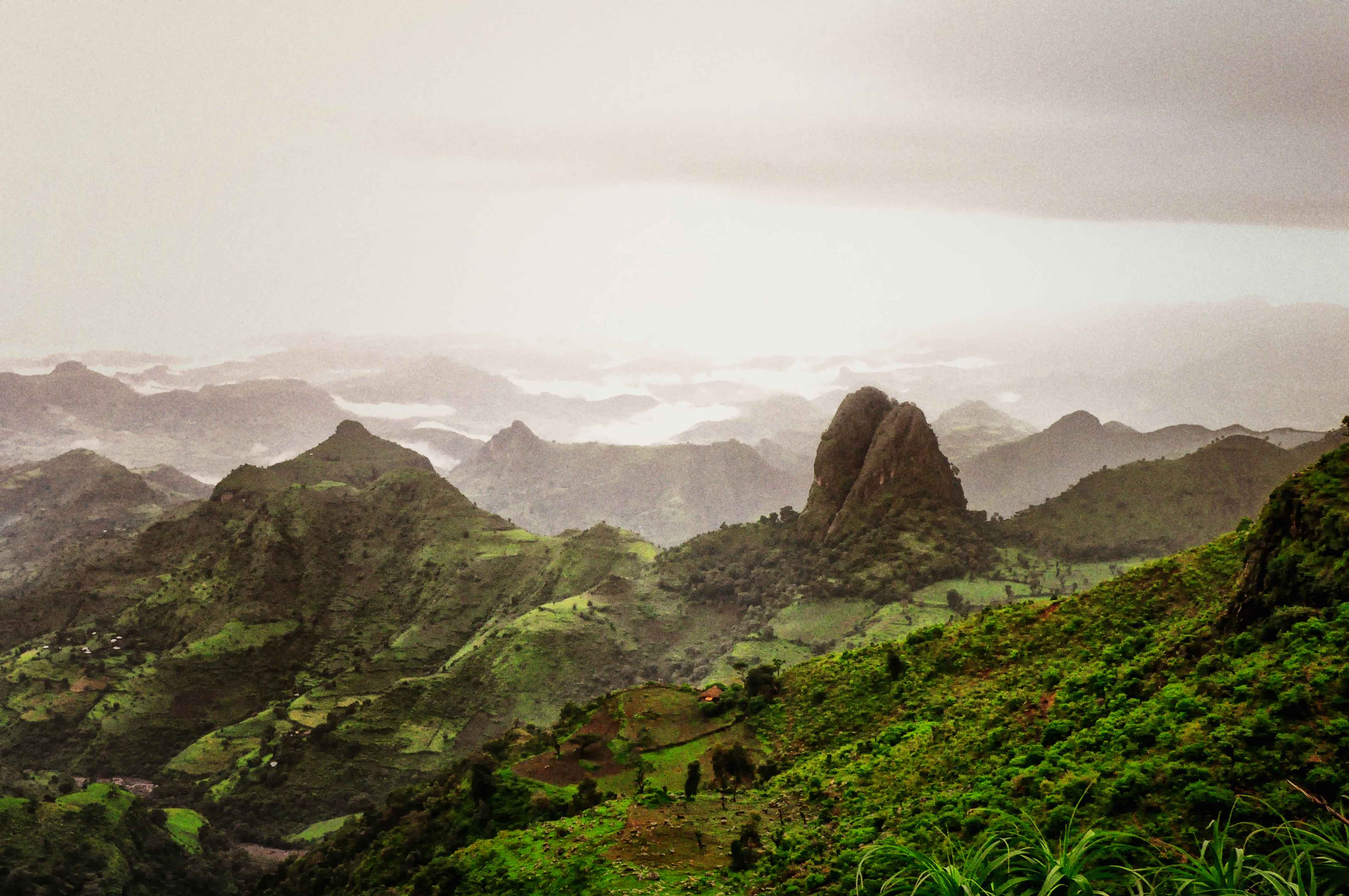
The thrones of the sky. Imagine a land where mountains do not rise but reign. High above the clouds, where the wind howls the oldest lullabies of earth, Simien Mountains National Park stands as a masterpiece sculpted by time itself known as “THE ROOF OF AFRICA.” This ethereal highland range is not just a trekker’s paradise but the living crown of Ethiopia. The air here is crisper, the silence deeper and the views wider than belief.
2. The Stunning And Breathtaking Bale Mountains National Park
The hidden sanctuary of the sky and silence, veiled in mist and mystery, the Bale Mountains National Park is Ethiopia’s secret spell, a sanctuary of life wrapped in alpine elegance. This is where your breath softens, your heartbeat slows, and nature speaks in signs of wind and moss.
Moorlands stretch endlessly like green oceans, while Harenna Forest hums with ancient melodies. The Sanetti plateau rises to dizzying heights painted with frost in the early mornings. Other than wildlife, this mountain has got both hiking and walking activities.
3. The Magical Danakil Depression
The earth’s wild heartbeat. Step into the Danakil Depression, not just the hottest inhabited place on Earth, but perhaps the most dramatic stage nature has ever built. The Danakil is a land of contradictions, beautiful and brutal, hellish and holy. The Afar people, warriors of fire and salt, live here with pride and power, guarding stories older than memory.
4. The Beautiful city of Addis Ababa
The pulse of Africa’s soul, modern yet rooted, bustling yet soulful, Addis is where Africa looks in the mirror and sees herself royal. Lose yourself in the treasures of the National Museum, where Lucy, the ancient grandmother, awaits with a smile 3.2 million years old.
5.The Mighty City of Harar
Where do colors talk, walls whisper, and hyenas roam like ghosts? In Harar, of course, the fourth holiest city in Islam and the UNESCO-enshrined labyrinth of love, laughter, and legends. Inside this 16th-century walled city, time forgets its ticking. Harar’s beauty lies not just in its faith, food, and folklore but in how it makes you feel like you have stepped into a poem written by time and sealed with laughter.
6. The Magical And Captivating Lake Tana
This isn’t just Ethiopia’s largest lake; it is the sacred source of the Blue Nile, the river that built empires. Scattered across its waters are 37 Islands, many hiding centuries-old monasteries painted with divine stories. Step into Ura Kidane Mehret or Kebran Gabriel, and your heart will bow to iconographic, relics, and scrolls older than the Renaissance.
The Lake is not silent, it is alive with fluttering pelicans, hippos bobbing gently, and fishermen sailing slender reed boats that mirror ancient Egyptian craft. As sunset spills gold hues over the water, and the church bells echo softly from the hidden sanctuaries, you will realize that this is not just a lake but an enigma.
When to visit Ethiopia for cultural tours
Cultural Tours in Ethiopia can be had at anytime of the year but the best time is from October to April , which is the best time to visit Ethiopia. This dry season makes inter-region travel smoother, roads more accessible, and site visits more enjoyable.
Cultural landmarks like Lalibela, Axum, Gondar, Harar, and the Omo Valley are easier to access without heavy rains, and the dry season makes it perfect for photography, hiking to cliffside churches, and attending cultural galas.
How to get to cultural destinations
Since Ethiopia is a rich country with many airports, air transport can be used to access these sites.
Road transport is also used with strong tourist vehicles like Land Cruisers or 4WD vehicles, as some areas have rough roads that can only easily be maneuvered using 4 wheel vehicles.
Water transport is also a good idea in Ethiopia. When going to island monasteries, tourists usually take a boat from Bahir Dar port.
Where to stay when you visit Ethiopia
The primary factor to consider before traveling is where you will stay.
Different visitors prefer different accommodations basing on their budget; some want luxury, others mid-range, and others don’t mind budget accommodation.
Luxury accommodation
- We have Sabean International Hotel with elegant rooms, on-site restaurants, panoramic views, and a spa ideal for indulging after touring rock churches in Lalibela.
- Yeha Guesthouse in Axum with high end ambiance, spacious gardens, and fine dining ideal for relaxing after visiting sacred sites. Gaho Hotel Castle Heritage style lodge near Fasil Ghebbi with elegant culturally styled rooms and gardens.
- Kuriftu Resort and Spa, sophisticated lakeside villas near Lake Tana, wellness facilities and boat tours included.
- Harar has Emperor’s Palace Hotel with elegant rooms, rooftop café and assistance with cultural experiences like Hyena dinners.
- Near Turmi there is Omo Valley Lodge (Eco Camp) thatched Bandas with en suite bathrooms, full board meals, cultural program options, and scenic view.
Mid-range accommodation
- Goha hotel provides comfortable cottages, friendly services, and complimentary breakfast, Axum Hotel Pleasant, Tate Belay Hotel, Blue Nile Resort, Sidist Kilo Guesthouse and Sole Resort and Spa Jinka in Omo Valley.
Budget accommodation
- Karo Lodge in Jinka offers simple rooms and cultural orientation, ideal for an immersive village experience.
Frequently Asked Questions
- 1.What is the capital city of Ethiopia?
In the horn of Africa lies Ethiopia, nestled in the rugged highlands and arid plains, sitting on an area of about 1.1 million square kilometers. And on this vast land lies a beautiful capital city known as Addis Ababa.
- 2.Why do people like visiting Ethiopia?
People visit Ethiopia for various reasons, Cultural Tours being one of the main reasons. A tour of Ethiopia’s culture is not just educational or entertaining. It is transformational. I pray you do not miss a cultural tour to Ethiopia. You leave with new ways of thinking about history, time, and community. You become part of someone’s ancestral story, even briefly. For the curious mind, for the soul that seeks stories, Ethiopia is not just a place to tour; it is a place to belong, even if only for hours.
Conclusion
The Land where culture doesn’t sleep. Ethiopia is not just a cultural destination. It is a cultural experience that speaks, sings, cooks, prays, paints, weaves, and dances. Are you ready to go beyond sightseeing? Are you ready to feel what it means to truly travel through culture, not over it? Then pack your curiosity, open your heart, and your love for human connection and plan your cultural trip to Ethiopia with Kubwa Five Safaris. Here is an epic invitation to experience the soul of Africa through Ethiopia’s unforgettable tour.