The Top 12 Best Life Changing Reasons To Visit Ethiopia
Explore the Top 12 Best Life Changing Reasons To Visit Ethiopia ranging from ancient wonders and dramatic landscapes to spiritual cities, rare wildlife, vibrant culture, and the origin of coffee. Dive into the land where time stands still and culture, history, and adventure come alive.
1. Ethiopia’s Unique Calendar And Alphabet
Step into Ethiopia and you step into a different moment in time literally. While most of the world follows the Gregorian calendar, Ethiopia lives by its own ancient calendar, one that is 7 to 8 years behind the rest of the world. The Ethiopian calendar has 13 months with 12 months of the 30 days each , and one tiny month of 5 to 6 days . The new year starts in September not January like in the rest of other countries aligning with the end of the rainy season, when fields turn green and the land breathes with life. Ethiopians proudly say “we have 13 months of sunshine,” and it is more than a phrase to them.
But that is not all . Did you know that Ethiopia writes its story using its own ancient script the Ge’ez alphabet? This beautiful, curving script has been in use for over 1500 years and is still the written language of Amharic, Tigrinya, and liturgical texts in the Ethiopian Orthodox church.
Each symbol in the Ge’ez script is a piece of history and watching it being written or engraved in stone feels like observing a living heritage unfold. Ethiopia’s calendar and alphabet are more than tools for time and language, they are also symbols of independence, identity, and resilience showing how this nation has carved its own path through history.
2. The Majestic Simien Mountains
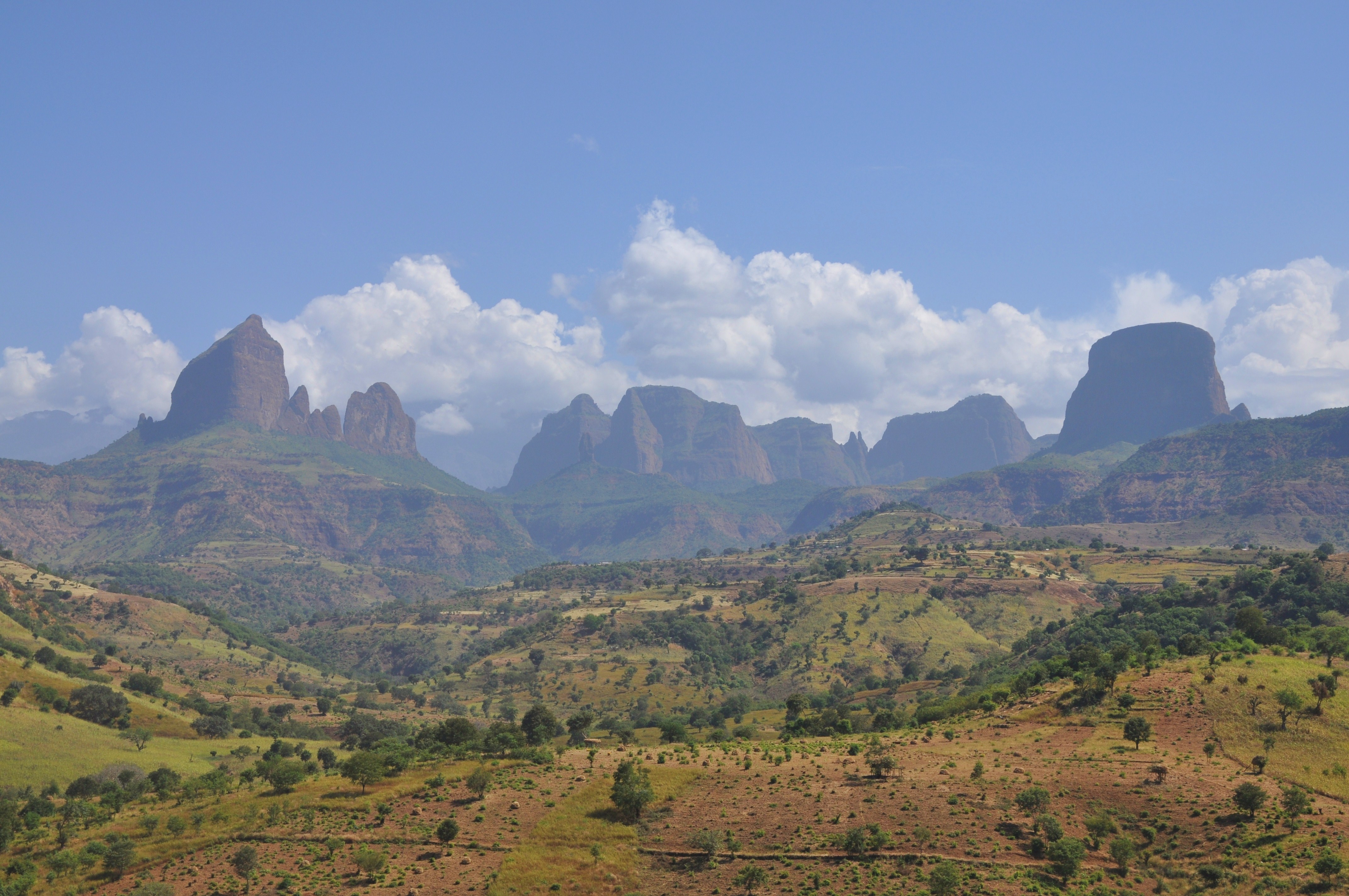
The Simien Mountains, often called the “Roof of Africa,” is a hiker’s heaven and nature-lover’s dream. These rugged peaks and deep gorges are not just visually stunning but also spiritually stirring.
Trekking through this UNESCO World Heritage Site, you will walk alongside gelada monkeys, marvel at jagged cliffs that pierce the clouds, and feel the wind whisper across plateaus that stretch into forever. Villages appear like mirages, and locals greet you with quiet smiles, their lives in harmony with the mountains.
Sunsets here are not just beautiful they are cathedrals of color, turning the sky into a sacred canvas. Whether you do a day trek or a multi-day expedition, you will leave the Simien Mountains with a full heart, and stories written in sky and stone.
3. Ethiopia’s Rare And Endemic Wildlife
Ethiopia is a sanctuary for wildlife you will not see anywhere else on earth. Its unique high-altitude ecosystems have nurtured species found only here.
Here you will spot the unique Ethiopian animals like;
- The Ethiopian wolf — the world’s rarest canid, sleek and red like fire.
- The gelada monkey — with its flowing mane and heart-shaped chest, only found in the Simien Mountains.
- The elusive Walia ibex — a mountain goat that lives only on Ethiopia’s cliffs.
- Over 850 species of birds, including shimmering bee-eaters, hornbills, and the enigmatic wattled ibis.
Wildlife watching in Ethiopia feels less like safari and more like a spiritual encounter a quiet communion with nature in one of its most ancient homes.
4. The Serenity Of Lake Tana
As the sun dances on the rippling waters of Lake Tana, Ethiopia’s largest lake, you will feel a hush fall over your spirit. This is not just a body of water but a cradle of history, faith, and life.
Cruising on Lake Tana means:
- Drifting past lush islands that hold centuries-old monasteries with vividly painted frescoes.
- Watching fishermen row papyrus boats just as their ancestors did a thousand years ago.
- Feeling the presence of the Blue Nile, which flows from the lake and begins one of the world’s greatest river journey
Birdsongs echo across the water. Priests in robes of white bless pilgrims on the shore, visit Ura Kidane Miheret church and Kibran Gabriel Monastery and get a chance to tap Ethiopian blessings. Everything here speaks of peace and ancient devotion. A Lake Tana cruise is not just a scenic detour but a sacred pause am telling you.
5. Gondar’s Medieval Castles And Royal Legacy

If you thought castles were exclusive to Europe, think again. Ethiopia’s city of Gondar is home to a royal complex straight out of a storybook.
Nicknamed the “Camelot of Africa,” Gondar was once the seat of Ethiopian emperors. Within the Royal Enclosure (Fasil Ghebbi), you will find:
- Towering stone castles and banquet halls
- Moss-covered walls whispering tales of royal intrigue
- A 17th-century architectural blend of Axumite, Portuguese, and Indian influences
Nearby lies Debre Berhan Selassie Church, famed for its ceiling of angelic faces, 135 cherubs gazing down with serenity and joy. To walk through Gondar is to travel in time to a realm of royalty, power, and sacred artistry, nestled in the northern highlands.
6. The Soul-Stirring Rock-Hewn Churches Of Lalibela
Carved entirely from rock over 900 years ago, the churches of Lalibela are a living miracle. You will not just see them, you will descend into them, entering a world below the ground where silence sings and stone breathes. These 11 churches, each hand-hewn from solid volcanic tuff, are still active places of worship today.
The most iconic, Bete Giyorgis, shaped like a perfect cross, stands in glorious solitude, defying both time and logic. Others, like Bete Medhane Alem and Bete Maryam, are linked by a labyrinth of tunnels, trenches, and prayer halls.
Lalibela is not a ruin, it is a revelation. Visit during Ethiopian Christmas in January, and you will witness thousands of pilgrims in white robes chanting beneath starlight. It is one of the most powerful spiritual experiences on earth.
7. Taste The Heart Of Ethiopia
In Ethiopia, food is not just sustenance, it is culture, and celebration. Every meal tells a story passed down through generations, seasoned with love, tradition, and a dash of fiery spice.
At the center of every table is injera, the beloved sourdough flatbread with its spongy texture and tangy flavor. Made from teff flour, an ancient, gluten-free grain native to Ethiopia, injera is both plate and utensil. Tear a piece with your fingers, scoop up a bit of stew, and taste a country’s essence in one mouthful.
Must try Ethiopian Dishes:
- Doro Wat – A rich, spicy chicken stew slow-cooked with berbere spice and finished with hard-boiled eggs. It is often served during holidays and ceremonies.
- Tibs – Sizzling cubes of beef or lamb sautéed with onions, garlic, and chilies. Served hot and often flambéed for drama.
- Shiro – A creamy, comforting stew made from ground chickpeas or lentils, perfect for vegetarians.
- Kitfo – A delicacy of finely minced raw beef seasoned with spiced butter (niter kibbeh) and mitmita spice for the adventurous palate.
- Atakilt Wat – A flavorful vegetable medley of cabbage, potatoes, and carrots simmered in turmeric.
Ethiopian meals are served communally, often on a large platter shared by everyone. There is no “mine” or “yours” only ours. And if someone feeds you by hand, called gursha, know that it is the highest sign of love and friendship.
8. The Ethiopian Coffee Ceremony

Coffee lovers, prepare to worship. In Ethiopia, coffee is not a quick drink, it is a centuries-old ceremony, a cherished moment of togetherness, and an art form performed daily in homes across the country. After all, Ethiopia is the birthplace of coffee. The legend of Kaldi, the goatherd who discovered coffee after his goats became energized from eating red cherries, begins here. And the rest is aromatic history.
The ceremony starts with fresh green coffee beans, roasted over a fire until they darken and begin to crackle. The aroma alone is enough to draw neighbors from nearby. Next, the beans are ground by hand using a mortar and pestle, then brewed in a jebena, a traditional clay coffee pot over hot coals. No machines. No shortcuts. Just time, patience, and reverence.
The coffee is served in three rounds:
- Abol-The first and strongest cup.
- Tona-The second, smoother and deeper.
- Baraka-The third, symbolic of blessings.
Alongside, you may be offered burning incense, fresh popcorn, or traditional snacks, all while stories, laughter, and life flow freely. This is not just coffee. It is a ritual of hospitality, a moment to pause, reflect, and connect soul to soul. And the taste? Earthy, bold, rich, and unfiltered, as honest as the people who brew it.
9. The Surreal Wonder Of The Danakil Depression
Venture into the Danakil Depression, and you will step into one of the most breathtaking and surreal landscapes on earth. Located below sea level in northeastern Ethiopia, this otherworldly region is home to colorful acid springs, salt flats, active volcanoes, and boiling lava lakes.
Walk across glowing sulfur fields at Dallol, watch camel caravans crossing endless salt pans, and witness the fire-lit skies above Erta Ale, one of the world’s few active lava lakes. Despite its harsh environment, the Danakil offers rare, raw beauty and a feeling of total disconnection from the ordinary. For adventurous travelers, it is a thrilling experience like no other that leaves you in awe of nature’s wildest creations.
10. Walk Among Legends In Ancient Axum
In the ancient northern city of Axum, myth and history merge beautifully. Once the heart of the powerful Axumite Empire, this sacred city is one of Ethiopia’s oldest and most spiritual places and it is believed to be the final resting place of the Ark of the Covenant.
Ethiopian tradition holds that the Ark of the Covenant, the biblical chest said to hold the Ten Commandments was brought to Axum by Menelik I, the son of King Solomon and the Queen of Sheba. Today, it is said to be guarded in a small, mysterious chapel beside the Church of St. Mary of Zion. No one but one chosen monk may enter adding an air of sacred mystery that draws pilgrims from around the world.
Beyond the Ark, Axum is home to:
- Towering obelisk stelae carved from single blocks of granite,
- Ancient tombs of kings, these underground tombs, particularly those of King Kaleb and Gebre Meskel are known for their impressive architectural design and historical importance.
- And inscriptions in long-lost languages all whispering tales of a forgotten empire that once ruled the Red Sea trade.
In Axum, every stone has a story to tell, every path echoes legend. It is not just a city it is a place where history, faith, and wonder come alive.
11. Vibrant Festivals And Cultures

Ethiopian culture is not confined to museums, it dances in the streets, sings in the churches, and lives in everyday life. With over 80 diverse ethnic groups, the country is a kaleidoscope of languages, clothing, customs, and celebrations that make every visit feel like a colorful discovery. Ethiopia’s festivals are especially magical, deeply spiritual, visually spectacular, and rich in ancient symbolism.
Timket (Epiphany). Celebrated every January, this joyous holiday commemorates the baptism of Jesus with grand processions, holy water blessings, and chanting priests dressed in vibrant robes. It is Ethiopia’s most revered and mesmerizing festival.
Meskel (The Finding of the True Cross). Held in September, bonfires called demera light up towns and villages in a glowing celebration of faith and renewal.
Gena (Ethiopian Christmas). Marked in early January, it is celebrated with midnight church services, traditional white garments, and the echoes of drums and prayer.
Outside of religious events, you will also encounter the most joyous moments with the Ethiopia people. These moments are;
- Traditional dances like the eskista, a powerful shoulder dance full of rhythm and pride.
- Tribal ceremonies in the Omo Valley that honor life’s milestones with body art, music, and storytelling.
- Markets alive with handwoven fabrics, handmade jewelry, and spices all showcasing Ethiopia’s rich artistic soul.
From ancient Orthodox rituals to indigenous tribal expressions, Ethiopia’s festivals and cultures offer a joyful living window into its soul, one that welcomes you to witness, and if you are lucky, participate.
12. Feel The Pulse Of Addis Ababa
No journey to Ethiopia is complete without a stop in its thriving capital, Addis Ababa, a city that hums with history, energy, and unmistakable charm. Set high in the Ethiopian highlands at over 2,300 meters above sea level, Addis is one of Africa’s highest and liveliest capitals.
Here, ancient tradition and modern rhythm coexist beautifully. You will find centuries-old Orthodox churches and incense-scented monasteries just steps away from stylish cafés, lively jazz clubs, and bustling markets.
Here you are given a chance to experience the best highlights like;
- National Museum of Ethiopia – Home to Lucy, the 3.2-million-year-old fossil that changed the story of human origins.
- Merkato – One of Africa’s largest open-air markets, alive with color, spice, textiles, and local craftsmanship.
- Holy Trinity Cathedral – A spiritual and architectural landmark, and resting place of Emperor Haile Selassie.
- Ethio-jazz clubs – Catch live performances that blend traditional melodies with smoky jazz in places like Fendika or African Jazz Village.
- World-class coffee shops – Enjoy a fresh brew in the land where coffee was born, whether in cozy roasteries or during a traditional coffee ceremony.
Addis Ababa is also a hub for African diplomacy, hosting the African Union headquarters and many international events. But beyond politics and history, what truly defines Addis is its warm people, layered stories, and vibrant cultural heartbeat.
BEST TIME TO VISIT ETHIOPIA
The best time to visit Ethiopia is during the dry season from October to March. This period offers clear skies, comfortable temperatures, and is perfect for exploring historical sites, trekking in the mountains, and attending major festivals like Timket (January) and Meskel (September). Avoid the heavy rains of June to early September, especially for road travel and hiking.
HOW TO GET TO ETHIOPIA
- By Air: The main gateway is Bole International Airport in Addis Ababa, serviced by Ethiopian Airlines, Africa’s most reputable carrier. Direct international flights connect Ethiopia to major cities in Europe, Asia, the Middle East, and across Africa.
- Domestic Flights: For covering long distances within Ethiopia, Ethiopian Airlines offers affordable domestic flights to major destinations like Lalibela, Gondar, Axum, Bahir Dar, and Dire Dawa.
- Private Car: The most flexible and comfortable way to explore Ethiopia’s historical and natural sites especially remote places like the Simien Mountains or Omo Valley. Recommended for safaris and multi-day tours.
- Tour Buses and Minivans: Budget-friendly option for intercity travel.
WHERE TO STAY WHEN YOU VISIT ETHIOPIA
Luxury Accommodations
- Sheraton Addis – A 5-star landmark in Addis Ababa offering world-class comfort, fine dining, and serene gardens.
- Limalimo Lodge – An eco-luxury gem perched in the Simien Mountains, offering panoramic views and refined wilderness charm.
Mid-Range Accommodations
- Jupiter International Hotel – A well-rated, centrally located hotel in Addis Ababa with reliable service and modern amenities.
- Panoramic View Hotel – A charming stay in Lalibela with sweeping valley views and close access to the famous churches.
Budget Accommodations
- Mr. Martin’s Cozy Place – A backpacker favorite in Addis Ababa, known for its friendly staff and affordable rates.
- Seven Olives Hotel – One of Lalibela’s oldest hotels offering basic, clean rooms and rich historical ambiance at a great price.
Frequently Asked Questions
Do I need a visa to visit Ethiopia?
- Yes, most travelers need a visa. An Ethiopian e-visa is the recommended and easiest way to obtain a visa for Ethiopia. You can apply online and receive the visa. Visa requirements can change, so it is always best to check online for the latest updates from Ethiopian e-Visa website before you travel.
What language is spoken in Ethiopia?
- The official language is Amharic, but over 80 local languages are spoken across regions. English is widely used in tourism and business. Though Oromo is the most widely spoken primary language in Ethiopia.
Is Ethiopia safe for tourists?
- Generally, yes, Ethiopia is safe for tourists. Always travel with a trusted guide and stay updated on local news.
Do Ethiopians speak English?
- Yes, Ethiopians speak English. English is the most widely spoken foreign language and it is taught in many schools in Ethiopia though Arabic, which also belongs to the Afroasiatic family is spoken in some areas of Ethiopia.
Conclusion
Ethiopia is not just a destination, it is a journey through time, tradition, and breathtaking beauty. Let Kubwa Five Safaris be your trusted travel company as you explore the best that Ethiopia has to offer. Book your unforgettable Ethiopian adventure today.