The Ultimate Guide to the African Spoonbill: Where, When, and How to See This Iconic Wader
For many wildlife enthusiasts, an African safari conjures images of the “Big Five” roaming across golden savannahs. Yet, if you look closer at the continent’s shimmering lakes, slow-moving rivers, and hidden wetlands, you will discover a completely different world of wonder. Among Africa’s most charismatic and unique avian residents is the African Spoonbill (Platalea alba).
With its snow-white plumage, vivid red face, and an evolutionary marvel of a beak, this bird is a prize for birdwatchers and wildlife photographers alike. Observing an African Spoonbill sweep its paddle-shaped bill through a glassy lagoon at dawn is one of the most peaceful, captivating sights Africa has to offer.
This comprehensive guide covers everything you need to know about the African Spoonbill, its unique behaviors, and the absolute best hotspots across the continent to see them in the wild.
Meeting the African Spoonbill: An Evolutionary Masterpiece
Before packing your binoculars, it helps to understand what makes this bird so special. The African Spoonbill is a large wading bird belonging to the Threskiornithidae family, which it shares with ibises.
Distinctive Features
While it shares its pristine white feathers with various egrets and herons, the spoonbill is impossible to mistake once you look at its face:
- The Bill: Its defining feature is a long, flat, grey beak that broadens into a perfect paddle or spoon shape at the tip.
- The Face: A stark patch of bare, bright crimson-red skin covers its face, contrasting brilliantly with its white feathers.
- The Legs: Long, elegant legs that range from deep pink to bright red.
- Size: They stand roughly 90 centimeters (about 3 feet) tall, making them a commanding presence in the shallows.
The Art of Scything
Unlike herons that stand frozen, waiting to spear a fish, the spoonbill is a bird of constant motion. It utilizes a highly specialized feeding technique called scything.
The bird submerges its unique bill slightly open into shallow water and walks forward, swinging its head from side to side in a continuous, rhythmic arc. The inside of the bill is lined with incredibly sensitive nerve endings. The moment a small fish, shrimp, insect, or frog brushes against the inside of the paddle, the bill snaps shut with lightning speed. Because they rely on touch rather than sight to hunt, African Spoonbills can feed effectively in muddy, turbid waters and even in total darkness.
South Africa: The Gold Standard for Bird Photography
South Africa is arguably the most user-friendly destination for birdwatchers tracking
where to see African Spoonbill. The country boasts exceptional infrastructure, well-maintained roads, and world-class bird hides that allow you to sit quietly at water level just meters away from these magnificent birds.+-------------------------------------------------------------------+
| SOUTH AFRICA HOTSPOTS |
+-----------------------------------+-------------------------------+
| Site | Best Feature |
+-----------------------------------+-------------------------------+
| Marievale Bird Sanctuary | Eye-level photography hides |
| Kruger National Park | Safe viewing near megafauna |
| Durban Botanic Gardens | Urban nesting colonies |
| False Bay Ecology Park | Coastal wetland biodiversity |
+-----------------------------------+-------------------------------+
1. Marievale Bird Sanctuary (Gauteng)
Located just an hour’s drive from Johannesburg, Marievale is a premier wetland sanctuary nestled within the Blesbokspruit Highveld wetland. It is a critical RAMSAR site, meaning it is a wetland of international importance.
- The Experience: Marievale features several superbly positioned wooden bird hides. Because the water levels are managed and consistently shallow, African Spoonbills are year-round residents here.
- What You’ll See: You can watch spoonbills wading through the reeds, frequently feeding alongside Greater Flamingos, African Spoonbills, and Pied Avocets. The morning light hitting the white plumage against the dark wetland water makes for breathtaking photography.
2. Kruger National Park (Mpumalanga & Limpopo)
Kruger is world-renowned for mammals, but its aquatic birdlife is equally spectacular for an
African Spoonbill safari. Spoonbills here live a more dramatic life, sharing waterholes with Africa’s heavyweights.- The Experience: Look for permanent water structures, especially Sunset Dam near Lower Sabie, or the banks of the Olifants and Letaba rivers.
- The Backdrop: Seeing an African Spoonbill calmly scything for minnows just a few feet away from a pod of snoring hippos or a basking Nile crocodile is a stark reminder of the wild ecosystems they inhabit.
3. Durban Botanic Gardens (KwaZulu-Natal)
For those who want to witness the fascinating social and breeding lives of these birds without traveling deep into the bush, Durban offers a rare urban treat.
- The Experience: The lake in the center of these historic gardens hosts a bustling heronry. During the breeding season, African Spoonbills build platform nests out of sticks in the reedbeds and low-hanging trees over the water.
- The Highlight: Visitors can stand safely on the walkways and watch the elaborate courtship displays, where birds preen each other and flash their vibrant red faces. You can also hear the distinct, guttural grunts of hungry chicks begging their parents for regurgitated food.
4. False Bay Ecology Park (Western Cape)
Situated on the outskirts of Cape Town, this vast network of conservation areas and water treatment pans is an unexpected haven for coastal and freshwater birds.
- The Experience: The mudflats here host large numbers of migrating and resident waders. Spoonbills utilize these nutrient-rich pans heavily during the southern summer months, moving between the fresh water and nearby coastal estuaries.
Kenya: Rift Valley Lakes and Epic Backdrops
Kenya’s section of the Great Rift Valley is home to some of the most dramatic waterbird congregations on earth. The combination of alkaline lakes, freshwater springs, and volcanic backdrops makes Kenya one of the premier
birdwatching hotspots Africa has on offer.1. Amboseli National Park
Amboseli is famous for its views of Mount Kilimanjaro and its massive elephant herds. However, because the park is arid, its permanent swamps are absolute magnets for wildlife.
- The Experience: Fed by the underground meltwater filtering through the volcanic rock of Kilimanjaro, places like the Enkongo Narok Swamp stay green and lush all year.
- The Sight: African Spoonbills thrive in these clear, shallow marshlands. They navigate the open channels between patches of papyrus, often walking in the footprints left behind by wallowing elephants, which stir up the mud and unearth easy prey.
2. Lake Naivasha and Lake Oloidien
Lake Naivasha is a massive freshwater lake in the Rift Valley, surrounded by yellow-barked acacia forests. Right next to it sits Lake Oloidien, a smaller, more alkaline volcanic crater lake.
- The Experience: Taking a small, guided boat safari on Lake Naivasha is the best way to see spoonbills here. Boats can glide silently along the edges of floating hyacinth beds and submerged acacia trees where spoonbills rest.
- The Synergy: It is common to see spoonbills feeding in loose associations with Great White Pelicans. As the massive pelicans swim in a semi-circle to corral fish into shallow water, the spoonbills capitalize on the chaos, snatching up the disoriented fish escaping the pelican dragnet.
Botswana: Water-Based Safaris in Pristine Wilderness
Botswana specializes in low-impact, high-luxury wilderness safaris. If your dream is to view wildlife from the peaceful vantage point of a boat or a traditional canoe, this is your destination.
               [ OKAVANGO DELTA ]
                       │
                       ▼ (Water flows southeast)
               [ CHOBE FLOODPLAINS ]
                       │
                       ▼ (Shallow margins & lagoons)
         Ideal African Spoonbill Foraging Habitat
1. The Chobe River Floodplains
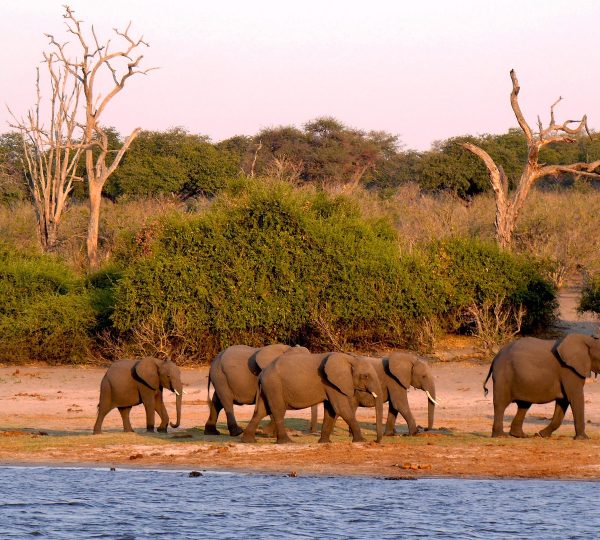
Chobe National Park is defined by its massive riverfront. During the dry season (May to October), the Chobe River becomes the primary water source for thousands of animals.
- The Experience: Skiff boat safaris on the Chobe River provide unparalleled birding. The river features vast, flat floodplains and shallow sandbars.
- The Scene: African Spoonbills congregate on these sandbars in mixed colonies. You will find them resting shoulder-to-shoulder with Yellow-billed Storks, Sacred Ibises, and African Skimmers. Because the birds are accustomed to boats, you can often drift remarkably close for incredible, low-angle photos.
2. The Okavango Delta
The Okavango Delta is a vast inland river delta known for its labyrinth of channels, lagoons, and islands, rendering it an essential stop for a complete
Okavango Delta birding itinerary.- The Experience: Navigating the delta in a mokoro (a traditional dugout canoe propelled by a poller standing at the stern) is an unforgettable way to birdwatch. Because a mokoro has no engine, you move in absolute silence.
- Where to Look: As the floodwaters recede between July and September, they leave behind shallow pools and isolated drying lagoons trapped on the floodplains. These pools become ecological goldmines, packing fish into tight spaces. Spoonbills gather at these natural buffets, sweeping through the evaporating pools alongside herons and egrets.
Uganda: Papyrus Swamps and Productive Wetlands
Uganda is an absolute powerhouse for African birding, packing over 1,000 bird species into a country the size of Great Britain. Its unique location at the convergence of East African savannahs and Central African rainforests creates incredibly diverse wetland habitats for
sub-Saharan wetland birds.1. Mabamba Swamp (Lake Victoria)
Most international birders travel to Mabamba Swamp with a singular focus: to see the legendary, prehistoric-looking Shoebill stork. However, the journey through this massive papyrus maze yields incredible rewards for general birding.
- The Experience: You explore the swamp in narrow wooden boats, winding through channels cut through dense papyrus and water lilies.
- The Sight: While scanning the open mud patches for the Shoebill, you will frequently spot African Spoonbills walking the muddy margins. The bright white plumage of the spoonbills provides a striking visual contrast against the deep green papyrus and purple water lilies.
2. The Doho Rice Schemes (Eastern Uganda)
For those interested in seeing raw numbers and massive breeding events, the Doho Rice Schemes near Tororo are legendary. This massive agricultural wetland project transformed a natural floodplain into managed rice paddies.
- The Experience: While man-made, this area has become one of the most vital artificial wetlands in East Africa. The consistently shallow, flooded rice paddies create the ultimate foraging ground.
- The Scale: Doho is famous for hosting enormous breeding colonies. During peak breeding seasons, hundreds of pairs of African Spoonbills nest alongside Black-headed Herons and Cattle Egrets, filling the sky with white wings as they fly out to forage.
Tanzania & 🇳🇦 Namibia: Other Notable Mentions
While the big four countries listed above offer the most reliable infrastructure, the African Spoonbill can be found across several other iconic African landscapes.
- Ngorongoro Crater (Tanzania): The floor of this massive, unbroken volcanic caldera features Lake Magadi, an alkaline lake fed by freshwater streams. The points where the fresh streams enter the salty lake create perfect deltas where spoonbills gather to feed amidst thousands of lesser flamingos.
- The Caprivi Strip (Namibia): This narrow finger of land in northeastern Namibia is vastly different from the rest of the country’s deserts. Bordered by the Zambezi, Kwando, and Chobe rivers, its lush wetlands are excellent terrain for spotting spoonbills during the green season.
When to Go: Understanding Seasonal Movements
The African Spoonbill is not a true long-distance migratory bird like the European White Stork; it does not leave the continent. Instead, it is an intra-African nomad. It moves regionally in response to rainfall and changing water levels, meaning timing is critical when figuring out
where to see African Spoonbill.The Dry Season (Best for Foraging Sightings)
In regions with dramatic wet and dry seasons (like Botswana’s Okavango or South Africa’s Kruger), the dry season is generally the best time to see them feeding. As rivers shrink and pools dry up, fish and aquatic invertebrates are concentrated into shallow areas. This makes hunting incredibly easy for the spoonbills, and they gather in large, visible numbers.
The Wet Season (Best for Breeding Dispersal)
During the heavy rains, rivers flood, and water covers vast expanses of land. Spoonbills disperse widely across these newly created temporary wetlands to breed. While they can be harder to spot because they are spread out, this is the time to head to known colonial nesting sites (like Durban or Doho) to witness their incredible courtship rituals and nesting colonies.
Practical Checklist for Spoonbill Spotting
To maximize your chances of finding and photographing the African Spoonbill, keep these field tips in mind:
- Bring a Spotting Scope or Telephoto Lens: Spoonbills are easily spooked if you attempt to wade into the water toward them. A lens with a focal length of at least 400mm, or a good quality spotting scope, is essential for capturing the fine details of their textured bills and crimson faces.
- Look for Mixed Flocks: Spoonbills are highly gregarious. If you spot a group of Sacred Ibises, Grey Herons, or Great White Pelicans feeding in the shallows, scan the edges of the flock. Spoonbills regularly tag along with these species to capitalize on the fish they disturb.
- Perfect Your Exposure: Knowing
how to photograph African Spoonbillsrequires mastering bright highlights. Photographing an all-white bird under the harsh African sun is notoriously difficult; it is easy to “blow out” the white feathers, erasing all detail. Aim to photograph them during the golden hours (just after sunrise or just before sunset), or slightly underexpose your shots to preserve the intricate feather details. - Listen Close: They are generally silent birds while foraging, but if you are near a nesting colony, listen for deep, nasal, guttural grunts and vibrant bill-snapping displays used during courtship and defense.
Safeguarding the Spoonbill’s Future
Currently, the African Spoonbill is classified as a species of Least Concern on the IUCN Red List. They enjoy a vast range across the continent, and their populations are relatively stable. However, they face ongoing long-term threats that travelers can help combat:
- Wetland Degradation: The draining of marshes for agricultural expansion, chemical runoff from farms, and industrial pollution threaten the delicate aquatic food chains they rely on.
- Climate Change: Erratic weather patterns change the seasonal flooding cycles of major systems like the Okavango Delta, disrupting traditional breeding timetables.
By choosing to visit established national parks, community-led wetland reserves (like Mabamba), and eco-conscious safari lodges, your tourism dollars directly fund the protection of these vital aquatic sanctuaries.
Conclusion: Adding the Spoonbill to Your Life List
The African Spoonbill is a testament to the incredible diversity and adaptability of Africa’s birdlife. Whether you are watching them navigate the shadows of giants in Kruger, drifting past them in a quiet Botswana mokoro, or sitting comfortably in a Gauteng bird hide, encountering these elegant, red-faced waders is a true safari highlight.
Have you ever seen an African Spoonbill in the wild, or are you currently planning your first African birding itinerary? Let me know which countries you are visiting or what style of travel you prefer, and I can recommend the exact lodges and local guides to help you check this incredible bird off your list!