Five Most Beautiful Cities In East Africa
Table of Contents
ToggleFive Most Beautiful Cities In East Africa
The five most beautiful cities in East Africa include Kampala, Dar es Salaam, Addis Ababa, Kigali and although there are others that are also unique and worth a visit.
East Africa has a number of cities which are basically located in the each of countries located In the East African region. These cities add to the treasure of these countries as they act as basis of economic growth, center of innovation and invention and also creates a favorable environment for social and cultural exchange. Cities are a place where people trade, or employment, health care services, education among others hence many people relocate from remote areas to cities to better their lives and also work on their living standards making the population I cities twice high as compared to remote areas. The cities have extensive housing, well tarmacked roads making transportation easier, services like banking, education among others
Historically the cities have developed due to the increasing population hence tourism and other activities. In Uganda there is only one major city and that is Kampala with other towns like in Masaka, Jinja, and Mbarara, Kenya has over five incorporated cities which include Nairobi the largest and capital, Mombasa the second largest, Kisumu the third largest then Nakuru, and lastly Eldoret which was elevated on 15th August 2024.
There are other towns in the country which are even developed. Tanzania has over 42 prominent cities since it’s the largest country I East Africa with approximately 947300 square kilometers which include Dar es Salaam, Mwanza, Dodoma, Zanzibar etc., Ethiopia has Addis Ababa the major with many others like Dire dawa, Mekelle, Gondar, Bahir dar and lastly Kigali in Kenya.
1. Kigali In Rwanda

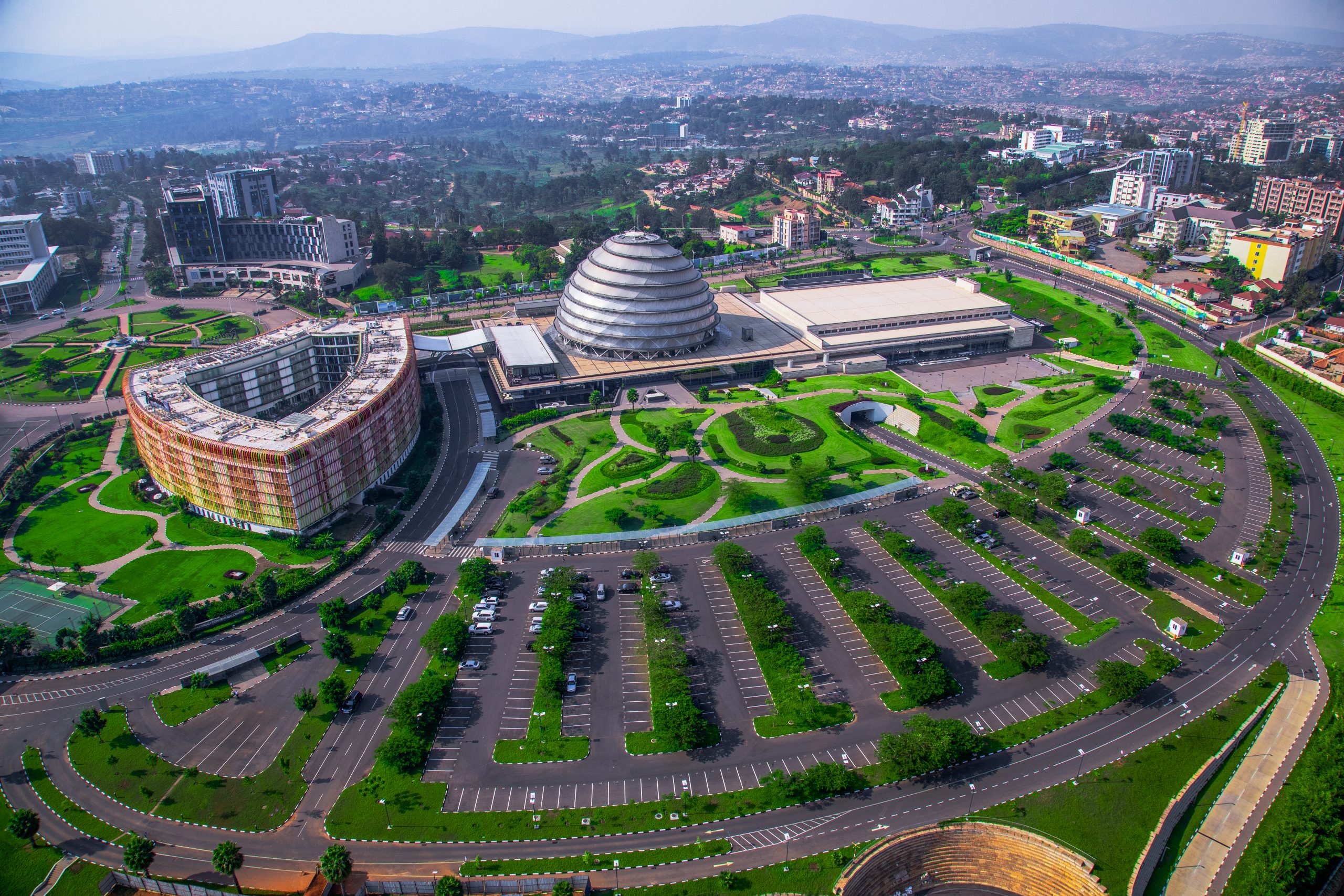
Kigali is the capital of Rwanda well known for its outstanding cleanliness throughout Africa with all the variety of art and tourism. It is known as the land of hills as its characterized of very many hills. Kigali is a fascinating city that mixes sad history, growing art, and lively local culture. If you want to understand what modern Africa is like , Kigali is a must-visit. Kigali is one of the three provinces in Rwanda.
Kigali is known as the land of a thousand hills due to its hilly landscape and terrain. Through these we witness the devotion to cleanliness and sustainability while reflecting on its past
The History of Rwanda;
Kigali Genocide Memorial
This is undoubtedly the most significant and moving site in Kigali. It provides history about the victims of the 1994 genocide against the Tutsi, a tragic period in Rwanda’s history. The memorial offers powerful exhibitions detailing the events leading up to, during, and after the genocide, with personal stories, artifacts, and a tranquil garden for reflection. It provides deep insight into Rwanda’s past and its path to reconciliation and development. This genocide claimed lives of over 250000 people.
Camp Kigali Memorial:
This place has memories of the ten Belgian UN peacekeepers who were killed at the beginning of the genocide. Ten stone pillars, each with horizontal cuts representing the soldiers’ ages, stand as a poignant tribute. A small museum on site also shows bullet holes from that fateful day.
![]()
Embrace the Thriving Art and Culture Diversity.
Kigali is a hub for contemporary African art, reflecting the country’s creative spirit and desire to express.
- Inema Arts Center: Founded by two brothers, Innocent Nkurunziza and Emmanuel Nkuranga, this vibrant center is a must-visit for tourists interested in visiting Rwanda. It’s a collective of resident artists for example paintings, sculptures, and various art forms. Tourists ca get a chance to enjoy live music and dance performances, and even participate in workshops.
- Niyo Art Gallery:Another prominent art place, surprisingly it was founded by a former street child, Pacifique Niyonsenga, who uses his art to support and raise awareness for street children in the are and support them through art. It’s a powerful example of art for social good. It collects different artists from around the world.
- Rwanda Art Museum (Former Presidential Palace):Housed in the Former Presidential Palace, this museum displays contemporary Rwandan art and offers insight into the country’s art. You can also see the remains of the presidential jet that was shot down in 1994, an event that triggered the genocide against the Tutsi. It holds the largest art work connected to the genocide hence a very right place for those interested in the information.
Experience Local Life and Flavors
- Kimironko Market:This is Kigali’s largest and busiest market Here, you can find everything from fresh produce (sourced from Rwanda, Uganda, Kenya, and DR Congo) to vibrant fabrics (kitenge), clothing, household goods, and handicrafts. It’s a fantastic place to observe daily life, practice your bargaining skills because this place is not easy on negotiating prices, and pick up unique souvenirs for example textiles and fabrics.
- Kigali’s Culinary Delights:
- Brochettes: Grilled meat skewers (beef, goat, chicken) are a staple and a delicious street food or restaurant meal, often served with roasted potatoes or plantains.
- Ugali: A thick porridge made from maize flour, commonly served with stews.
- Isombe: A flavorful stew made from pounded cassava leaves, often cooked with groundnuts and palm oil.
- Ibihaza: Stew made from pumpkin cooked and beans making it creamy and slightly sweet dish.
- Milk Bars: A unique part of Rwandan culture, these humble establishments are where locals gather to enjoy fresh and fermented milk, reflecting the country’s deep dairy traditions.
- Mandazi: Deep-fried, slightly sweet doughnuts, perfect for a snack.
- Local Coffee: Rwanda is renowned for its high-quality coffee which is grown in volcanic highlands.
- Matooke: steamed banana which is smashed and served with any stew.
Outdoor Adventures and View of the city.
- Mount Kigali: As the highest point in the city, Mount Kigali offers stunning views of the city’s land scape, surrounding hills, and on clear days, even distant views of Lake Kivu and the Virunga Mountains. You can hike or drive up to the summit, where you’ll find a zipline park, a restaurant, and picnic areas.
- Horse Riding: Enjoy horseback riding through the beautiful countryside around Mount Kigali, offering unique perspectives of the city.
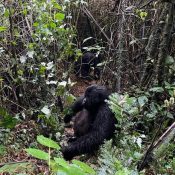
- Visit the Wildlife Conservation Areas: These include Akagera National Park for game drives, A Gorilla Trekking activity at Volcanoes National Park, Visiting the women led coffee farm in Kayonza which is mainly focused o empowering women.
Practical Tips for Visiting Kigali
- Kigali is famous for its cleanliness. Respect this by not littering.
- Kigali is one of the safest cities in Africa. However, one should avoid being reckless with there lives especially at night.
- “Moto-taxis” (motorbikes) are the quickest way to get around, but always agree on a price beforehand and ensure they have a helmet for you. Regular taxis are also available. But tourists are advised to move with guides for better negotiation and safety.
- Rwandan Franc (RWF). ATMs are widely available.
- The dry seasons (June to September and December to February) offer the best weather for exploring.
- Kinyarwanda is the official language, but English and French are widely spoken, especially in tourist areas.
2. Kampala In Uganda
![]()
Kampala is located In Uganda The Pearl Of Africa which is the third largest country In East Africa. Kampala is the a capital of Uganda and also the largest there with a population of over 1,875,834 and is divided into five regions which are Nakawa, Makindye, Rubaga, Kawempe and Kampala. Its neighboring Wakiso district, Mpigi district, Buikwe district ad Luweero district. Kampala is one of the rapidly growing cities in Africa and believe to be the best place to stay in as stated by Mercer ( a New York- based consulting firm) compared to Nairobi and Kigali.
Kampala originally was originally a hill of antelopes as named by the early British colonial officers in the 19th century due to the many antelopes that were roaming freely In that place. Antelopes are called empala which is the plural of impala in Luganda hence the local people in the then settlement calling the place (Akasozi k’empala) hill of antelopes shortened to K’empala and later Kampala. The old summit Fort Lugard was located on this hill and the initial Headquarters of the British colonial authorities.
This hill was originally a hunting place reserved for “Kabaka (king) of Buganda as it was part of the Buganda Kingdom and later became the capital. It includes the Makerere hill and Mengo hill which were allocated to the then young Kabaka Daudi Chwa II, Lubaga hill to the catholic white fathers, Namirembe hill to the protestant Church Missionaries, Kibuli hill to the moslems, the British catholic missionaries received Nsambya Hill, The Uganda protectorate government obtained Old Kampala Hill, Nakasero Hill etc as finalized in the 1900 Buganda agreement.
On behalf of Buganda the agreement was signed by the regents Apollo Kagwa the katikiro ( Prime minister), Stanislaus Mugwanya the Mulamuzi (Chief judge),Zakaria Kisingiri the Muwanika (Treasurer) and Bishop Alfred Turker o behalf of Buganda and Sir Harry Johnston oon behalf of British government to create the land tenures. Kampala was finalized as the Capital of Uganda in 1962 after Independence with a area of 189km
- Rich Cultural Heritage and History
Kampala is mainly rooted to the Buganda Kingdom, One of the most prominent monarchies and with the most respected king (Kabaka) with a lot of beautiful cultural and heritage sites and a very interesting history for instance;
Kasubi Tombs: This is a UNESCO World Heritage Site and it’s a sacred place for burying Buganda Kings and it shows remarkable traditional architecture of the tombs and also the customs of Buganda for instance the royal drums, the history of kings and it’s also a spiritual site for the Baganda.
Kabaka’s Palace: The Kabaka’s Palace is also called Lubiri in the Local language. It is the official residence of the King of Buganda and its located on the Mengo Hill. this is also a symbol of power to the Buganda Kingdom and created a big history about buganda’s political ambition from the time of its construction which is 1885 to date. The King of Buganda is highly recognized and most loved king in Uganda.
Kabaka’s Lake:Kabaka’s Lake is a manmade lake that was created under the directions of Kabaka Mwanga II and it was dug to serve as a water source and a defensive barrier for the King’s palace.
Uganda National Museum: It is the Oldest Museum in East Africa and its located in Kampala. It displays and exhibits natural historical and traditional collections of Uganda’s rich cultural Heritage and craft. It was established by the British Protectorate Government in 1908 when Goovernor George Wilson called for “ all articles of interests” in Uganda to be procured for example music instuments, hunting equipment archaeology etc. It’s a lovely place to be In and it creates everlasting memories.
The Bahai Temple: The only Temple on the African continent, known for its unique architecture , beautifully maintained gardens. It offers a peaceful retreat and welcomes visitors of all faiths. Its located on Kikaya Hill near Kampala city center. It’s open daily and provides a tranquil atmosphere for reflection .
Namirembe Cathedral and Rubaga Cathedral: These are located o different hills but give a clear insight about faith i Uganda for instance Rubaga for the Catholics and it has a small place where all the information or history about the church are kept giving tourists a chance to explore and get information about the place. The Namirembe Cathedral for the protestants or Anglicans is the oldest Anglican church in Uganda. Theses are also very much open to tourists who would love to know the history and also experience the uniqueness of the temple.
Gaddafi Mosque: Its the largest mosque in East Africa and it can accommodate a very big number of people. It was constructed by Iddi Amin in 1972 and later completed by Gaddafi in 2006 as a gift to the Muslim faith in Uganda and was originally referred to as the Old Kampala National Mosque
Uganda Martyr’s’ shrine: This is another place that collects people from far and wide due to its activity that happens every year were we celebrate the lives of 32 Christian converts who died for there faith between 1885 and 1887 due to refusing to denounce there faith. People trek for days prior to this event from there homelands which are far to experience the pain these Christians went through. The place has beautiful architecture and also a manmade pond used for religious rituals.
Experience the local life and culture: Uganda has over 56 tribes of which most of them showcase there uniqueness at Ndere Cultural Center. Tourists get a chance to experience a variety of unique activities from dance, music, dressing, Cuisines and more .The diverse cultural experience creates memories ad also makes Kampala one of the top most attractive cities to be due to its rich culture.
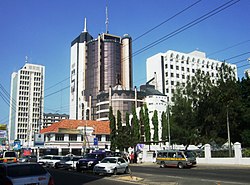
3. Dar es Salaam In Tanzania
Dar es Salaam is Tanzania’s largest city hence its productivity is also high which increases the Gross Domestic Product of the Nation. Despite its position i the country Dar es Salaam is not the capital City but rather Dodoma, it remains the vibrant heart of the country. Dar es Salaam is divided into five divisions which include Kinondoni, Kigamboni, Temeke, Ubungo and Llala. The city is composed of urban life, rich history, stunning coastal beauty, and as a convenient gateway to wider Tanzanian adventures. The destination is more like a place were those interested in colonial history, Trade etc.
As a unique urban mosaic and gateway city: Dar es Salaam stands out as a fast-growing city that offers a glimpse of the modern East African life, while also serving as the primary entry point for international travelers.
Cultural Background: Dar es Salaam cultures are mainly influenced by Swahili, Arabs, Persians and Indians’ traditions due to its colonial past and long history as a trading port. This left a big impact on the place’s architecture, cuisine, dressing, spice selling and population distribution. Its located on the coast of the Indian Ocean giving more reasons for successful trading up to date.
Gateway to Tanzania: Most tourists arriving in Tanzania for safaris or beach holidays will pass through Dar es Salaam via Julius Nyerere international airport . It acts as a vital transport hub connecting visitors to national parks like Mikumi and Nyerere (Selous Game Reserve), and coastal destinations.
Historical and cultural highlights: Dar es Salaam’s history is deeply intertwined with trade, colonialism, and the fight for independence, leaving behind a fascinating stories of historical landmarks cultural institutions, slavery etc.
National museum and house of culture: This museum offers a comprehensive overview of Tanzania’s history, from ancient human origins eg casts of hominid footprints ,colonial times and the struggle for independence. It also showcases traditional Tanzanian art, crafts, and musical instruments used longtime ago.
Village Museum (Makumbusho Village Museum): An open-air museum featuring reconstructed traditional homesteads from various Tanzanian tribes. It provides a fascinating glimpse into the diverse architectural styles and ways of life across the country. one can easily walk through the different village setups, learn about traditional crafts, and sometimes witness live cultural performances of dance and music. This creates a perfect spot for tourists interested in experiencing culture.
There is also the Askari Monument which is a bronze statue commemorating the African soldiers (Askari) who fought in the British Carrier Corps during World War I, Old Boma which is one of the oldest surviving buildings in the city, dating back to 1866.
Coastal Beauty and Island Escapes: Despite being a busy city, Dar es Salaam offers access to beautiful Indian Ocean beaches and nearby islands, providing perfect experience away from busy schedules and stress. there is Coco beach which is a popular city beach on the Msasani Peninsula, Kigamboni beach located slightly outside the city center its ideal for swimming, sunbathing, and various water sports.
Bustling Markets and Culinary Delights and delicacies: Kariakoo Market is one of East Africa’s largest and most vibrant markets, it’s a bustling labyrinth where you can find everything from fresh produce, spices, and seafood to textiles, electronics, and household goods.
Kivukoni Fish Market. This is a lively early morning market where fishermen bring in their fresh catches. One can get a sample of freshly grilled seafood.
Craft markets like Mwenge Woodcarvers Market where skilled artisans specializing in traditional Tanzanian wood carvings, large sculptures. Tourists can observe the artisans at work, learn about their techniques, and purchase unique handcrafted souvenirs directly from the creators.
The are amazing street food & local cuisine. Dar es Salaam offers a fantastic street food scene and diverse restaurants.Tourists can try on local delicacies like Mishkaki (grilled meat skewers), Chips Mayai (fries omelet), Zanzibar Mix (a spicy soup), and fresh seafood prepared with local spices.
4. Addis Ababa In Ethiopia
![]()
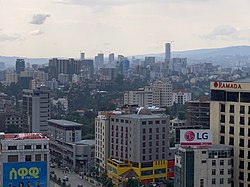
Addis Ababa, meaning “New Flower” in Amharic(The official language of Ethiopians). Addis Ababa is Ethiopia’s bustling capital and a city unlike any other in Africa is high up on a plateau hence making it one of the world’s highest capital cities, It has a unique ancient history deep-rooted to culture, and modern development. Its direct connection to human origins, and its vibrant, distinctly Ethiopian character.
One Interesting fact i know about Ethiopia is the Ethiopian calendar which is also known as the Amharic calendar. The Calendar has thirteen months with the twelve months having thirty days each and an extra five days in the thirteenth month. The place is seven to eight years behind giving tourists a chance to feel young again.
Historical significance: Addis Ababa offers a deep dive into humanity’s past and Ethiopia’s rich history which has lived for ages now.
There is the National Museum of Ethiopia which is most likely to be Addis Ababa’s most famous attraction, as it houses “Lucy” the 3.2-million-year-old hominin skeleton of Australopithecus afarensis, one of the earliest human ancestors. This makes Ethiopia a cradle of humanity.
The Ethnological Museum which is located within Addis Ababa University’s main campus, in Emperor Haile Selassie’s former palace, this museum offers a comprehensive look at Ethiopia’s many ethnic groups, their traditions, languages, and artifacts. this place carries a lot of memories to tourists.
There is also Holy Trinity Cathedral. This cathedral is the most important Orthodox church in Ethiopia, serving as the burial place of Emperor Haile Selassie and his wife, Empress Menen Asfaw. It showcases stunning stained-glass windows and wonderful biblical stories and Ethiopian history.
Cultural and religious vibrancy: Ethiopia’s unique cultural identity, particularly its ancient Orthodox Christian heritage, is vividly present in Addis Ababa.
Ethiopian Orthodox Churches: This type of faith is one of the oldest forms of Christianity in the world, with unique rituals and traditions. Churches like St. George’s Cathedral (an octagonal structure where Emperor Haile Selassie was crowned) and Bole Medhane Alem Cathedral (one of Africa’s largest) are recognised in the daily life
Traditional Ethiopian Coffee Ceremony: Ethiopia is the birthplace of coffee, and the coffee ceremony are deeply ingrained and beautiful cultural ritual, far more than just brewing a drink. Green coffee beans are roasted, ground, and brewed in a traditional jebena (clay pot), then served with incense.
Ethiopian Cuisine: Ethiopian food is famous for its communal dining style, rich spices, and the staple food called injera – a spongy, sourdough flatbread. Dishes are typically served on a large platter, and eaten by hand using injera to scoop up stews (wats) and sautéed meats (tibs). Another thig is that ethiopias do eat raw meat as it traces back to the Ethiopian Adal war whe soldiers used to eat raw meat to avoid enemies from detecting the fire from cooking.
Markets and City Life: Addis Ababa’s urban landscape is bustling and dynamic, offering authentic experiences of local commerce and daily life.
Merkato: Is believed to be the largest open-air market in Africa, Merkato is a chaotic and sprawling experience. It’s where you can find almost anything, from recycled goods and local produce to traditional crafts and clothing. One can explore its vast sections, practice your bargaining skills, and soak in the vibrant atmosphere. A local guide is highly recommended to navigate its complexities.
Mount Entoto: This mountain offers breathtaking panoramic views of Addis Ababa. It’s historically significant as the former home of Emperor Menelik II, who founded modern Ethiopia. Tourists can take a trip to the the Entoto Maryam Church (where Menelik II was crowned), and explore the museum. The area also offers opportunities for hiking and enjoying nature.
Unity Park: The Unity park is another amazing place located within the grounds of the National Palace, this relatively new park has fountains, cultural pavilions showcasing different Ethiopian regions, and historical exhibits within the palace itself. You learn about Ethiopia’s diverse cultures, and see various animal enclosures.
5. Mombasa in Kenya
Mombasa is Kenya’s coastal city, offers a unique blend of history, culture, and natural beauty that sets it apart. It comes from centuries of diverse influences and it has access to both vibrant marine life and fascinating land-based projects.
A fusion of cultures and history: Mombasa’s long history as a major port on the East African trade routes has created a vibrant cultural significance. This unique blend of African, Arab, Indian, and European heritage is evident throughout the city.
Swahili culture: Mombasa is the heartland of Swahili culture, which is a rich mix of Bantu African traditions with strong Arab and Indian influences. This fusion is seen in the local language (Kiswahili), architecture, cuisine, music (like Taarab), and daily life.
Fort Jesus: This 16th-century Portuguese fort is shaped like a man and has changed hands nine times between various powers (Portuguese, Omani Arabs, British). It shows Mombasa’s past and strategic importance.
Mombasa old town: This features the ancient buildings with carved wooden doors and balconies. It’s a living heritage site where time seems to slow down, reflecting centuries of diverse influences in its design. It is perfect for walking tours
Bombolulu Workshops & Cultural Centre: This center offers vocational training and employment for people with disabilities. It uniquely combines cultural preservation with social empowerment of especially these disabled people. Visitors can watch artisans craft beautiful jewelry, textiles, and wood carvings, purchase unique souvenirs, and experience traditional Kenyan tribal homesteads and cultural performances.
Distinctive natural & wildlife experiences: Mombasa stands out for its immediate access to both stunning marine ecosystems and unique land-based wildlife conservation projects right within or very close to the urban area.
Mombasa Marine National Park & Reserve: One of Kenya’s busiest offshore marine reserves, it protects vital coral reefs, seagrass beds, and mangrove forests, teeming with diverse marine life. It offers excellent snorkeling and diving opportunities to explore vibrant underwater worlds. Glass-bottom boat tours provide a window into this ecosystem for non-divers.
Haller Park (Formerly Bamburi Nature Trail): A remarkable success story of ecological rehabilitation, transforming barren limestone quarries into a flourishing nature reserve. It’s home to a unique mix of animals that thrive in this reclaimed environment. Here visitors can see giraffes, hippos, zebras, waterbucks, and numerous bird species. Interactive experiences like feeding giraffes make it particularly memorable.
Mamba Village Centre (Crocodile Farm): East Africa’s largest crocodile farm, allowing an up-close and educational experience with these ancient reptiles. Witness thrilling crocodile feeding sessions, learn about their life cycle, and explore the aquarium on site.
Coastal lifestyle and recreation: Mombasa’s tropical climate, beautiful coastline, and vibrant local life create a distinct recreational atmosphere.
White Sand Beaches: The city and its surrounding areas boast pristine white sandy beaches (like Nyali and Bamburi to the north, and the world-renowned Diani Beach to the south) fringed by swaying palm trees and washed by the warm Indian Ocean hence the ideal relaxation, swimming, sunbathing and water sports
Unique dining experiences: Beyond standard restaurants, Mombasa offers distinctive culinary experiences, from fresh seafood served on traditional dhows to vibrant street food markets. Visitors get a chance to enjoy a romantic dinner cruise on a dhow, or savor local Swahili dishes infused with spices from the region..
Mombasa
- Where to Stay: For beach relaxation, focus on the North Coast (Nyali, Bamburi) for proximity to the city, or the South Coast (Diani Beach, accessible by ferry) . .
- How to Access: The primary access is by air to Moi International Airport (MBA). You can also arrive by train (SGR Madaraka Express from Nairobi), or by bus from various Kenyan cities and neighboring countries.
- Best Time to Visit: December to March for hot, dry weather ideal for beaches; July to October for cooler breezes and cultural festivals.
Addis Ababa
- Where to Stay: Bole is a popular, modern district close to the airport with many hotels, restaurants, and shops. while areas like Kazanchis and Meskel Square are central.
- How to Access: Primarily by air, flying into Bole International Airport (ADD), a major hub for Ethiopian Airlines connecting to destinations worldwide. Over-land travel by bus from neighboring countries is also an option.
- Best Time to Visit: October to February (dry season) is ideal, offering clear skies and pleasant temperatures for exploring the city’s historical sites and museums.
Kampala
- Where to Stay: Kololo and Naguru are available with Air BnB, Resorts, lodges, safe neighborhoods with good hotels like Sheraton hotel, Protea by Mariott. Acacia Avenue and Ntinda are popular with lively mix of amenities.
- How to Access: Fly into Entebbe International Airport (EBB), located about 37km from Kampala. From Entebbe, take a pre-booked airport transfer, taxi, or shared shuttle to Kampala.
- Best Time to Visit: June to August and December to February are the dry seasons, offering the best weather for outdoor activities and sightseeing.
Dar es Salaam
- Where to Stay: The City Centre (Posta/Kivukoni) is convenient for business and ferry access to Zanzibar. Oyster Bay and Masaki are the right coastal areas with resorts, restaurants, and nightlife. Kigamboni offers quieter beaches.
- How to Access: Fly into Julius Nyerere International Airport (DAR). It’s also a major port with ferries to Zanzibar and trains connecting to other parts of Tanzania, and buses from various East African countries.
- Best Time to Visit: June to October and December to February are the best dry seasons, offering pleasant weather for city exploration and coastal activities, as well as connections to safaris.
Kigali
- Where to Stay: Kimihurura is a central and lively neighborhood with good restaurants, cafes, and a mix of modernity and tradition. Kiyovu is more upscale and peaceful, ideal for luxury seekers. Kacyiru and Remera offer good value and local feel.
- How to Access: Primarily by air to Kigali International Airport (KGL). Over-land travel by bus from neighboring countries like Uganda and Tanzania is common, with good road networks.
- Best Time to Visit: June to September (long dry season) and January to February (short dry season) are ideal for comfortable weather and outdoor activities, including gorilla trekking if extending beyond the city.
Frequently Asked Questions about Zanzibar
Q1: What is the absolute best time to visit Zanzibar for ideal beach weather and activities? The best time to visit Zanzibar for perfect beach weather is during the dry seasons, from June to October and December to February, offering sunny days and clear waters.
Frequently Asked Questions about Mombasa:
Q1: What are the most unique cultural experiences a tourist can have in Mombasa? Exploring Mombasa’s Old Town, visiting Fort Jesus, and experiencing the Bombolulu Workshops offer unique cultural insights into the city’s rich Swahili heritage.
Reasons to Visit Africa
TripAdvisor Travelers Choice Award 2026
Best Time To Trek Gorillas
The Ultimate African Safari Tipping Guide
Best Birding Hides in South Africa
Where To See African Spoonbill
National Parks
- African Safari Countries And National Parks
- Botswana National Parks and Game Reserves
- Kenya National Parks and Game Reserves
- Namibia National Parks and Game Reserves
- South Africa National Parks and Game Reserves
- Tanzania National Parks and Game Reserves
- Uganda National Parks and Game Reserves
- Zambia National Parks and Game Reserves
[gdlr_core_space height=”-10px”]
[gdlr_widget_box title=”Contact Details” title-color=”#ffffff” background=”https://demo.goodlayers.com/traveltour/wp-content/uploads/2017/01/widget-bg.jpg” color=”#c9e2ff” ]
Do not hesitate to give us a call. We are an expert team and we are happy to talk to you.
[gdlr_core_icon icon=”fa fa-phone” size=”20px” color=”#ffcf2a” margin-right=”10px” ] +256 774313798
[gdlr_core_icon icon=”fa fa-phone” size=”20px” color=”#ffcf2a” margin-right=”10px” ] +256 703296977
[gdlr_core_icon icon=”fa fa-envelope-o” size=”17px” color=”#ffcf2a” margin-right=”10px” ] info@kubwafive-safaris.com
[/gdlr_widget_box]
Contact Details
Safari Lodges and Hotels
- Safari Lodges And Hotels In Africa
- Safari Lodges And Hotels In Kenya
- Safari Lodges And Hotels In Uganda
- Safari Lodges And Hotels In Botswana
- Safari Lodges And Hotels In Ethiopia
- Safari Lodges And Hotels In Madagascar
- Safari Lodges And Hotels In Namibia
- Safari Lodges And Hotels In South Africa
- Safari Lodges And Hotels In Tanzania
- Safari Lodges And Hotels In Zimbabwe
Signup for our latest news
& articles