Top 32 Epic Iconic Tourist Attractions In East Africa
Discover the Top 32 Epic Iconic Tourist Attractions In East Africa including game parks, mountains, lakes, and heritage sites across Kenya, Uganda, Tanzania, Somalia, Democratic Republic of Congo, Burundi and Rwanda. Below I have organized them by country for clarity and better understanding.
UGANDA
Here are the iconic tourist attractions Uganda is blessed with;
1. The Unforgettable And Untamed Murchison Falls National Park
Where the world’s longest river dares to roar, Murchison Falls National Park. This is where the Nile explodes into one of the most powerful waterfalls on Earth squeezing through a 7 meter gorge before plunging 43 meters with thunderous force that steals your breath away and leaves you in awe. It is the oldest and largest National Park in Uganda, sitting on the land of about 3893 square kilometers.
Murchison Falls National Park is a spectacular blend of wildlife and the eye catching and the beautiful scenery, home to the legendary majestic four of the Big Five animals that is, elephants, lions, giraffes, hippos, and over 450 bird species including the rare shoebill stork. What sets it apart is the thrilling combo of land and river safaris on the crocodile-filled Nile and tracking predators across golden savannahs.
The majestic most powerful waterfall Murchison falls

2. The Majestic Queen Elizabeth National Park
Queen Elizabeth National Park is ranked as Uganda’s most visited and visually captivating safari destination, stretching from the foothills of the Rwenzori Mountains to the shimmering waters of Lake Edward. This ecological masterpiece boasts over 95 mammal species and more than 600 bird species, making it a paradise for wildlife lovers and birding enthusiasts alike.
It is the only place in Uganda where you can experience the rare thrill of spotting tree-climbing lions, lounging lazily in the fig trees at Ishasha. Elsewhere, hippos and crocodiles dominate the Kazinga Channel, best explored by boat, while elephants roam the savannah and leopards prowl through the shadows.
The park’s volcanic crater lakes, lush wetlands, and open grasslands offer a constantly changing backdrop for photographers and adventurers. For optimal wildlife viewing, visit during the dry season. With its blend of scenery, animal and bird species, and safari magic, Queen Elizabeth is not just a park, it is Uganda’s royal gateway to the wild.
3. Unmatched Gorilla trekking in Bwindi Impenetrable National Park
Bwindi Impenetrable National Park offers one of the rarest wildlife experiences on Earth, a face-to-face encounter with the endangered mountain gorillas. Tucked in the lush, ancient highlands of southwestern Uganda, this UNESCO World Heritage Site is home to over half of the world’s remaining mountain gorillas, living freely within its tangled vines, mist-covered trails, and towering canopies.
Gorilla trekking here is not just a safari it is an adventurous pilgrimage into the wild, where each muddy step leads to moments that touch your soul. After an adventurous hike led by expert trackers, you will find yourself mere meters away from a gentle silverback and his family, watching them groom, play, feed, and stare back with eyes that mirror your own.
It is a humbling experience, powerful and unforgettable. With over 20 habituated gorilla families and four main trekking sectors that is, Buhoma, Rushaga, Ruhija, and Nkuringo. Bwindi offers varied terrain and incredible biodiversity that one should not miss out on! In case you feel like you will not manage the walking, there are porters that can assist and carry you using sedan chairs at a fee.
Guided Gorilla trekking in Bwindi Impenetrable National Park

4. The Enchanting And Serene Lake Bunyonyi
The name Bunyonyi is a local Rukiga word which translates to “Place of Many Little Birds.” These birds spend days and nights chirping in the jungle making Lake Bunyonyi a melodious paradise. It is a tranquil masterpiece tucked in the southwestern highlands of Uganda near the border with Rwanda, having over 200 bird species according to various tour guides.
Dotted with 29 lush, mist-veiled islands, this lake is not just stunning but sacred, storied, and also Africa’s second-deepest lake at over 900 meters. Unlike most lakes in the region, Bunyonyi is bilharzia-free, crocodile-free, and hippo-free in simple terms it is a no life risk, making it safe for swimming, canoeing, and peaceful escapes.
What makes it truly unique is its blend of natural beauty and haunting history like Punishment Island, where unmarried pregnant girls were once abandoned as a warning to others. Today, the lake is a place of healing, leisure, and eco-adventure. Paddle through foggy waters in a traditional dugout canoe, hike terraced hillsides bursting with green, or simply watch the sun rise over islands that look like they were carved from a dream.
The surrounding communities are welcoming and culturally rich with storytelling, craft-making, and music, adding soulful depth to your stay. Lake Bunyonyi in this case is more than a destination but rather a sanctuary of peace, birding, and reflection into the heart of Africa.
5. The Rich Untouched Kidepo Valley National Park
High on the tops of Uganda that is, in the Northern Highlands of Uganda, there is located Uganda’s wild frontier, a hidden Eden where savannah stretches endlessly and the spirit of true African wilderness still breathes freely. Tucked in the remote northeastern corner of the country, near the border with South Sudan and Kenya, Kidepo is often called “Uganda’s most isolated park” and that is exactly what makes it magical. With its dramatic mountain backdrops, golden plains, and rugged valleys, Kidepo offers a safari experience that feels intensely personal, raw, and cinematic.
The park is a home to cheetahs, lions, leopards, elephants, buffalo, ostriches, and over 475 bird species many of which are not found anywhere else in Uganda. But Kidepo is more than a wildlife wonder it is a cultural jewel, rooted in the vibrant traditions of the Karamojong people. Visiting their villages open the door to one of East Africa’s most authentic living cultures, where warriors in beads and spears welcome you with traditional dances, storytelling, and proud heritage. They share their nomadic lifestyle, intricate cattle-based customs, and deep connection to land and nature reminding you that the soul of Africa is not only in its animals but also in its people.
6. The Mysterious Rwenzori Mountains
Often referred to as the “Mountains of the Moon,” Rwenzori Mountains rise like a dream above the western edge of Uganda, veiled in mist and crowned in snow. Unlike volcanic peaks like Kilimanjaro, Rwenzori is a rugged block mountain, born from tectonic uplift, and it remains Africa’s third-highest mountain range, reaching its pinnacle at Margherita Peak (5,109 meters).
What makes Rwenzori so special is not just its height but its otherworldly beauty. Here, you do not just climb a mountain, but also pass through five mystical vegetation zones: from dense tropical rainforest and bamboo groves to moss-draped heather forests and eerie Afro-alpine landscapes filled with giant lobelias and groundsel that look like plants from another planet.
Glaciers still shimmer at the top despite climate change slowly stealing their breath. Trekkers who dare the multi-day expedition are rewarded with silence, splendor, and soul-deep awe.
But Rwenzori is not just a geographical wonder it is sacred in the Bakonzo and Bamba cultures, revered as the home of powerful mountain spirits. Whether you seek physical challenge or spiritual serenity, Mount Rwenzori is where adventure becomes myth and nature becomes legend.
7. The Thriving Chimpanzee Trekking In Kibale Forest National Park
Kibale Forest hums with movement, sound, and curiosity. It is the primate capital of the world, and the undisputed heart of chimpanzee trekking in Uganda. This lush, emerald forest in western Uganda is home to 13 primate species, including red colobus, L’Hoest monkeys, and the rare Uganda mangabey, but it is the wild chimpanzees that steal the spotlight.
With over 1,500 individuals in the park, visitors have an exceptionally high chance of seeing these intelligent, expressive creatures up close laughing, hooting, grooming, or swinging effortlessly through the trees. The trek itself is an adventure winding through ancient mahogany stands, following fresh vocalizations and footprints with expert trackers until suddenly you lock eyes with a chimp just a few meters away. It is an electrifying moment of connection, raw and unforgettable.
Beyond chimps, Kibale’s rich ecosystem supports over 375 bird species, forest elephants, and rare butterflies, making it a haven for nature lovers.
8. The Legendary Source Of River Nile
The Source of the Nile in Jinja is where the world’s longest river begins its epic 6,650-kilometer journey to the Mediterranean Sea. For centuries, it was one of geography’s greatest mysteries, finally revealed to the Western world by John Hannington Speke in 1858 but long before that, it was revered by locals as a spiritual lifeline.
At this tranquil spot where Lake Victoria gently releases its waters into the mighty River Nile, time seems to slow.
You can take a boat ride to the exact point where the river emerges, watch fishermen cast nets in the golden light, or simply feel the wonder of standing at the birthplace of a river that shaped civilizations. But the Source isn’t just about stillness it is the adventure capital of East Africa.
The nearby town of Jinja is alive with adrenaline from white-water rafting on Grade 5 rapids to bungee jumping, quad biking, kayaking, and horseback safaris, just beauty and African energy.
9. The Timeless Bethel Chapel
Uganda is actually gifted with the timeless and profoundly intimate Bethel chapel found at the top of Biku hill in Nebbi district and holds the distinction of being the smallest church in the world and in Uganda as well, seated within just 8 feet in height and 2.5 meters wide, accommodating only three people including the priest. Built in 1996 by Korean Pastor Song with the support of the retired Archbishop Henry Luke Orombi, this tiny stone sanctuary is more than a chapel, it is a sacred pilgrimage site nestled amidst nine thoughtfully designed prayer points
Each prayer point holds symbolic depth:
- 12 windows on the chapel represent the 12 tribes and disciples,
- 7 ceiling beams symbolize the rainbow covenant,
- Other surrounding structures echo themes of love (heart-shaped), youth (arrowhead), and spiritual renewal (map of Africa, womb shape)
Visitors trek up Biku Hill about 18 km from Nebbi to meditate, pray, and soak in panoramic views of Namrwodho Falls and the lush West Nile landscape. The experience is often described as a spiritual awakening, offering personal reflection, healing, and an encounter with devotion in its purest, most personal form. Bethel Chapel stands as a beacon of spiritual simplicity and architectural ingenuity, constructed to endure approximately 500 years, using just 79 bags of cement. Whether you’re on a faith journey or discovering “hidden Uganda,” this micro-chapel packs an unforgettable, deeply moving encounter into a space no bigger than most rooms.
Where to stay when you visit Uganda
Luxury Accommodations
- Chobe Safari Lodge; A 5-star riverside retreat with stunning views of the Nile, infinity pool, gourmet dining, and air-conditioned suites. Ideal for honeymooners or travelers seeking premium comfort.
- Bakers Lodge; Nestled along the Nile with spacious thatched cottages, private decks, and personalized service in a tranquil setting.
- Lemala Wildwaters Lodge; A refined and eco-luxury option offering top-tier service, privacy, and an immersive natural setting right on the Nile’s roaring waters.
- Kyaninga Lodge; A stunning crater-lake lodge near Fort Portal offering luxurious cottages, fine dining, and dramatic views of Lake Kyaninga and the Rwenzori Mountains. Ideal for travelers seeking high-end comfort after forest adventures.
- Mweya Safari Lodge; Set on a peninsula in the heart of the park, this elegant lodge offers panoramic views of the Kazinga Channel, a swimming pool, spa, and top-tier comfort for travelers seeking luxury in the wild.
Mid-Range Accommodations
- Pakuba Safari Lodge – Popular for its strategic location inside the park, comfortable rooms, good food, and chances to spot wildlife right outside your window.
- Murchison River Lodge – Offers charming thatched cottages, safari tents, and eco-conscious hospitality with river views and great food.
- Rwenzori Trekkers Hostel (Ruboni) – Nestled in the foothills near Ibanda, this community-run lodge offers comfortable cottages, guided walks, and warm, local hospitality perfect for hikers starting their mountain journey.
- Sandton Hotel Kasese – A great option in the nearby town of Kasese, offering modern rooms, easy access to park gates, and a convenient resting spot for those not trekking deep into the range.
Budget Accommodations
- Nga’Moru Wilderness Camp – Located just outside the park’s eastern boundary, this rustic camp offers affordable bandas and tents, with warm Karimojong hospitality and breathtaking views of the Narus Valley.
- UWA Bandas (Apoka Rest Camp) – Managed by Uganda Wildlife Authority, these basic but clean self-contained bandas provide the most affordable option for backpackers and budget travelers wanting to stay inside the park.
- Bwindi Backpackers Lodge – A budget-friendly stay near the Nkuringo sector, ideal for travelers seeking adventure but on a tight budget, with basic but comfortable rooms and a community feel.
- Ride 4 a Woman Guesthouse – A unique, budget-conscious stay near Buhoma that supports women’s empowerment projects, affordable, clean, and purpose-driven.
TANZANIA
1. The Legendary and Untamed Serengeti National Park
This park is not just Tanzania’s crown jewel but the Africa’s most iconic safari destination, and a living stage for the Great Migration actually the largest land migration of mammals on Earth, the world’s most spectacular wildlife event. Stretching across an endless sea of golden plains, the Serengeti teems with life: over 2 million wildebeest, zebras, and gazelles thunder across the land in a primal rhythm of survival, shadowed by prowling lions, stealthy leopards, and circling vultures.
This ancient ecosystem is a pulse of raw nature where the Big Five; lions, elephants, buffalo, leopards, and rhinos still roam freely, and every sunrise paints a new drama in the wild. With its name meaning “endless plains” in the Maasai language, Serengeti delivers both vastness and intimacy from watching a lioness nuzzle her cubs beneath an acacia tree to feeling the rumble of hooves as the migration crosses crocodile-infested rivers.
The best time to witness the Great Migration is from June to October, especially around the Grumeti and Mara rivers. But even outside the migration season, the Serengeti remains a place where time slows, the soul awakens, and nature reigns in its purest form.
Where to stay when you visit Serengeti National Park
Luxury Accommodations
- Four Seasons Safari Lodge Serengeti – Located in the heart of the park, this world-class lodge offers unmatched luxury with an infinity pool overlooking a busy watering hole, spa services, fine dining, and top-tier safari experiences.
- Sayari Camp (Asilia Africa) – An elegant tented camp near the Mara River, ideal for witnessing the Great Migration’s river crossings. Offers open-air bathtubs, incredible cuisine, and personalized service deep in the wild.
Mid-Range Accommodations
- Kubu Kubu Tented Lodge, Beautifully elevated with sweeping views of the plains, this camp offers well-furnished tents with en-suite bathrooms, excellent dining, and game drives at a reasonable rate.
- Serengeti Kati Kati Tented Camp, Nestled among acacia trees, this mobile camp blends local design with comfort. It offers spacious rooms, and access to the Central Serengeti’s rich wildlife.
Budget Accommodations
- Seronera Campsites (Public Campsites); Located in the Central Serengeti, these basic but scenic campsites are perfect for self-drive or guided camping safaris. Facilities are minimal but the wildlife experience is maximum.
- Nyani and Pimbi Campsites; Popular backpacker-friendly camps near Seronera with stunning sunrise views and proximity to lions, hyenas, and more.
2. The Epic And Scenic Ngorongoro Crater
The Ngorongoro Crater is often called the Eden of Africa, a colossal volcanic bowl teeming with life and mystery.
Formed over two million years ago when a massive volcano collapsed in on itself, it is now the world’s largest intact and unfilled caldera and probably even the largest in East Africa and Tanzania at large, stretching 19 kilometers wide and plunging 600 meters deep.
What lies inside is nothing short of a wildlife miracle: a self-contained ecosystem, home to over 25,000 animals, including lions, black rhinos, elephants, buffaloes, hippos, and graceful flamingos dancing on Lake Magadi’s alkaline waters.
It is the only place in East Africa where you can spot all of the Big Five in one day with incredible ease. The steep crater walls act as natural boundaries, concentrating game and creating surreal opportunities for close encounters with predators and prey. Beyond the animals, Ngorongoro is sacred land to the Maasai, who still herd cattle across its ridges and valleys.
Recognized as a UNESCO World Heritage Site, the crater is best visited from June to October, when the weather is dry and wildlife sightings are superb. With its dreamlike landscape and dense concentration of iconic species.
Where to stay when you visit Ngorongoro
Luxury Accommodations
- Ngorongoro Crater Lodge (by &Beyond); Often called the “Versailles of the bush,” this opulent lodge sits right on the crater rim. Expect chandelier-lit suites, butler service, jaw-dropping views, and an unmatched blend of Maasai design and colonial-style luxury.
- The Highlands (Asilia Africa); A luxurious yet eco-conscious lodge with futuristic domes tucked into the Olmoti volcano slopes. Offers crater access plus cultural visits and hikes perfect for travelers seeking exclusivity and adventure.
Mid-Range Accommodations
- Ngorongoro Safari Lodge; Built into the crater’s rim with wooden architecture that blends into the landscape, this lodge offers comfortable rooms, great views, and easy crater access.
- Ngorongoro Sopa Lodge; Positioned on the eastern rim, it provides spacious rooms, a swimming pool, and panoramic crater views plus it is the only lodge with direct vehicle access into the crater floor.
Budget Accommodations
- Simba Campsite (Public Campsite); A basic but scenic camping ground near the crater rim. Great for backpackers and self-drive safari-goers looking to sleep under the stars with zebras grazing nearby.
3. The Spice Scented Zanzibar Island
I am talking of Zanzibar, where time slows and the air sweetens with the scent of cloves and cinnamon and the Indian Ocean shimmers in every shade of turquoise. Known as the “Spice Island”, Zanzibar is more than a beach destination. It is a mosaic of cultures, shaped by Swahili, Arab, Persian, and European influences.
At its heart lies the Stone Town, a UNESCO World Heritage Site where winding alleys lead to carved doors, bustling bazaars, and haunting echoes of its past as a center of the slave and spice trades. But just beyond the historic town, the island transforms into a tropical dream: white-sand beaches like Nungwi and Paje welcome sunseekers and kite surfers, while coral reefs teem with marine life perfect for snorkeling and diving.
Venture inland and you will find the Spice Farms, where vanilla, nutmeg, cardamom, and cloves grow in abundance offering fragrant tours that awaken every sense. Dhow boats glide at sunset, fishermen pull in nets, and locals sip coffee in open-air cafés.
Whether you seek relaxation, romance, culture, or barefoot adventure, Zanzibar is then the perfect place for you.
Where to stay when you visit Zanzibar
Luxury Accommodations
- Zuri Zanzibar (Kendwa) – A barefoot-luxury beachfront resort with a private spice garden, sunset-facing villas, and one of the most beautiful swimming beaches on the island. It is the ultimate blend of tropical design and five-star comfort.
- Park Hyatt Zanzibar (Stone Town) – Housed in a restored palace on the seafront, this elegant hotel merges historic Swahili architecture with world-class service and views of dhows drifting on the Indian Ocean.
Mid-Range Accommodations
- The Nest (Paje Beach) – A chic, boho-style hotel on the east coast, perfect for kite surfers, yoga lovers, and beach romantics. It offers stylish rooms, fresh seafood, and a relaxed barefoot vibe.
- Maru Maru Hotel (Stone Town) – A charming boutique stay with a rooftop restaurant and pool overlooking the old town’s spice-scented alleys. Great value with easy access to culture and heritage tours.
Budget Accommodations
- Lost & Found Zanzibar (Stone Town) – A clean, social hostel in the heart of the historic quarter. It is ideal for backpackers looking to explore the town, mingle with travelers, and join spice and slave trade history tours.
- New Teddy’s on the Beach (Jambiani) – A colorful and quirky beach bungalow hostel with shared or private rooms, hammocks under palm trees, and evening bonfires—perfect for budget travelers seeking beach bliss and community.
4. The Majestic Soul Stirring Mountain Kilimanjaro
Majestic and soul-stirring Mount Kilimanjaro is not just a mountain but rather Africa’s rooftop, a snow-capped sentinel rising 5,895 meters (19,341 feet) above the savannas of Tanzania. Standing alone on the horizon, this free-standing stratovolcano is a magnet for dreamers, climbers, and seekers of personal triumph.
Trekkers pass through five distinct ecological zones: from lush montane rainforest filled with colobus monkeys to alpine desert and finally to the glacial moonscape near Uhuru Peak. Each step is both a physical challenge and a spiritual ascent, where altitude tests resolve and every sunrise above the clouds feels like rebirth.
Whether you climb via the popular Machame Route, the scenic Lemosho Trail, or the longer Northern Circuit, the journey rewards in ways that go beyond the summit Kilimanjaro offering more than just a hike but also story, a memory, a transformation.
The magic Kilimanjaro mountain

Where to stay when you visit Kilimanjaro
Luxury Accommodations
- Kaliwa Lodge (Machame) – Nestled on the forested slopes of Kilimanjaro, this boutique eco-lodge offers elegant rooms, panoramic views, and organic cuisine. A serene base for climbers on the Machame route.
- Gran Melia Arusha (nearby, a 1-hour drive) – A high-end city retreat for those who want post-hike luxury. Expect exquisite rooms, a full-service spa, gourmet dining, and views of both Mount Meru and Kilimanjaro.
Mid-Range Accommodations
- Chanya Lodge (Moshi) – A peaceful and well-maintained lodge with clean rooms, a great restaurant, lush gardens, and a swimming pool. Ideal for climbers looking to rest and recharge in comfort.
- Marangu Hotel (Marangu Gate) – One of the oldest Kilimanjaro base hotels. This charming colonial-era property offers cozy cottages, proximity to the Marangu Route, and rich climbing history.
Budget Accommodations
- Rafiki Backpackers & Guesthouse (Moshi) – A friendly, affordable base with dorms and private rooms, perfect for backpackers or solo climbers.
- Kilimanjaro White House Hotel – A low-cost but clean and convenient option in Moshi town with basic amenities and easy access to climbing operators.
5. The Ancient Hadzabe Tribe
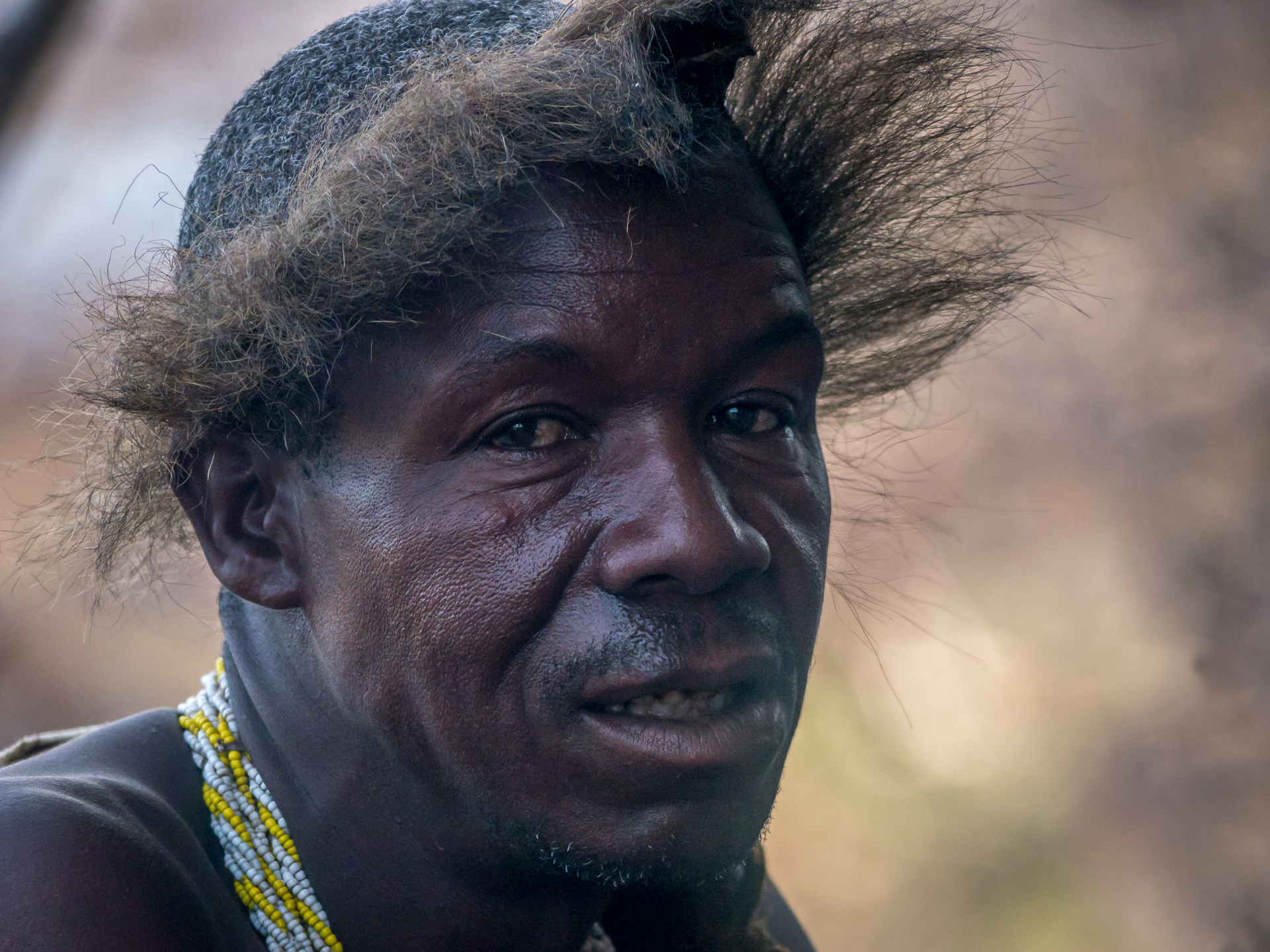
The Hadzabe tribe of northern Tanzania are living echoes of humanity’s earliest way of life. Dwelling near the shimmering shores of Lake Eyasi, at the edge of the Ngorongoro highlands, the Hadzabe are one of the last surviving hunter-gatherer tribes in the world.
With no permanent shelters, no written language, and no dependence on agriculture or livestock, they live as their ancestors did, tracking game with handmade bows, foraging for wild tubers and honey, and telling stories beside smoky evening fires.
Their language, a vibrant click tongue similar to the Khoisan languages of Southern Africa, rings through the baobab forests like the voice of the earth itself. Visiting the Hadzabe is not a performance, it is a raw and authentic cultural encounter.
Travelers can join them on early morning hunts, observe fire-making without matches, and learn how they interpret nature’s signs with breathtaking instinct.
Despite modern pressures, the Hadzabe have preserved their identity and independence, living in small, egalitarian groups with deep spiritual ties to the land. A visit to the Hadzabe is not just a cultural tour, it is a journey back in time, into the soul of what it truly means to be human.
The Hadzabe chief
6.Tarangire National Park
While often overlooked in favor of its more famous neighbors, Tarangire National Park is a wildlife wonderland in its own right and a must-see for anyone exploring Tanzania’s northern safari circuit. This underrated gem is famous for having the largest elephant population in northern Tanzania, where massive herds of up to 300 elephants roam freely through the golden savannas and ancient baobab forests.
During the dry season (June to October), animals congregate in huge numbers along the Tarangire River, turning the park into a dramatic wildlife spectacle. You will find lions lounging in the shade, leopards resting in the trees, and even rare animals like the fringe-eared oryx and greater kudu species you will not easily see elsewhere.
Birdwatchers are in heaven too in this park, with over 550 species, including colorful lilac-breasted rollers, hornbills, and fish eagles. But what makes Tarangire truly magical is its quiet beauty fewer tourists, vast open landscapes, and the mystical presence of centuries-old baobab trees that stand like guardians of time.
It is a perfect place for photographers, honeymooners, or anyone seeking a more intimate safari away from the crowds.
Where to have a warm stay in Tarangire National Park
Luxury Accommodations
- Tarangire Treetops (Elewana Collection) – One of Tanzania’s most magical safari lodges, offering treehouse-style suites elevated above ancient baobabs and overlooking elephant migration paths. Includes gourmet dining, infinity pool, and bush walks.
- Sanctuary Swala Camp – A secluded luxury tented camp deep in the park, offering personalized service, private decks, and spectacular views of Tarangire’s wilderness. Expect elephants walking right past your veranda!
Mid-Range Accommodations
- Tarangire Simba Lodge – Nestled just outside the park, this eco-lodge offers spacious canvas tents with en-suite bathrooms, a swimming pool, and views of a nearby waterhole that attracts nightly wildlife visitors.
- Sangaiwe Tented Lodge – Set on a hillside with views over the park and Lake Burunge, this charming lodge features comfortable safari tents, delicious food, and a peaceful vibe close to the gate.
- Tarangire Safari Lodge – Inside the park and perfect for travelers who do not want to compromise on views or access. Offers both tents and stone bungalows, plus a terrace overlooking a popular elephant path.
Budget Accommodation
- Whistling Thorn Tented Camp – Located near the park’s main gate, this simple but welcoming camp is community-run, with cozy tents, local meals, and great proximity to Tarangire’s game drive routes.
KENYA
1. The Iconic Maasai Mara National Park
Iconic and untamed the Maasai Mara National Reserve is where the raw soul of Africa beats loudest and a place where nature writes its own epic every day. Nestled in the southwest of Kenya and bordering Tanzania’s Serengeti, the Mara is the cradle of African safari dreams, drawing thousands of travelers each year to witness the Great Wildebeest Migration, one of the world’s most dramatic wildlife spectacles.
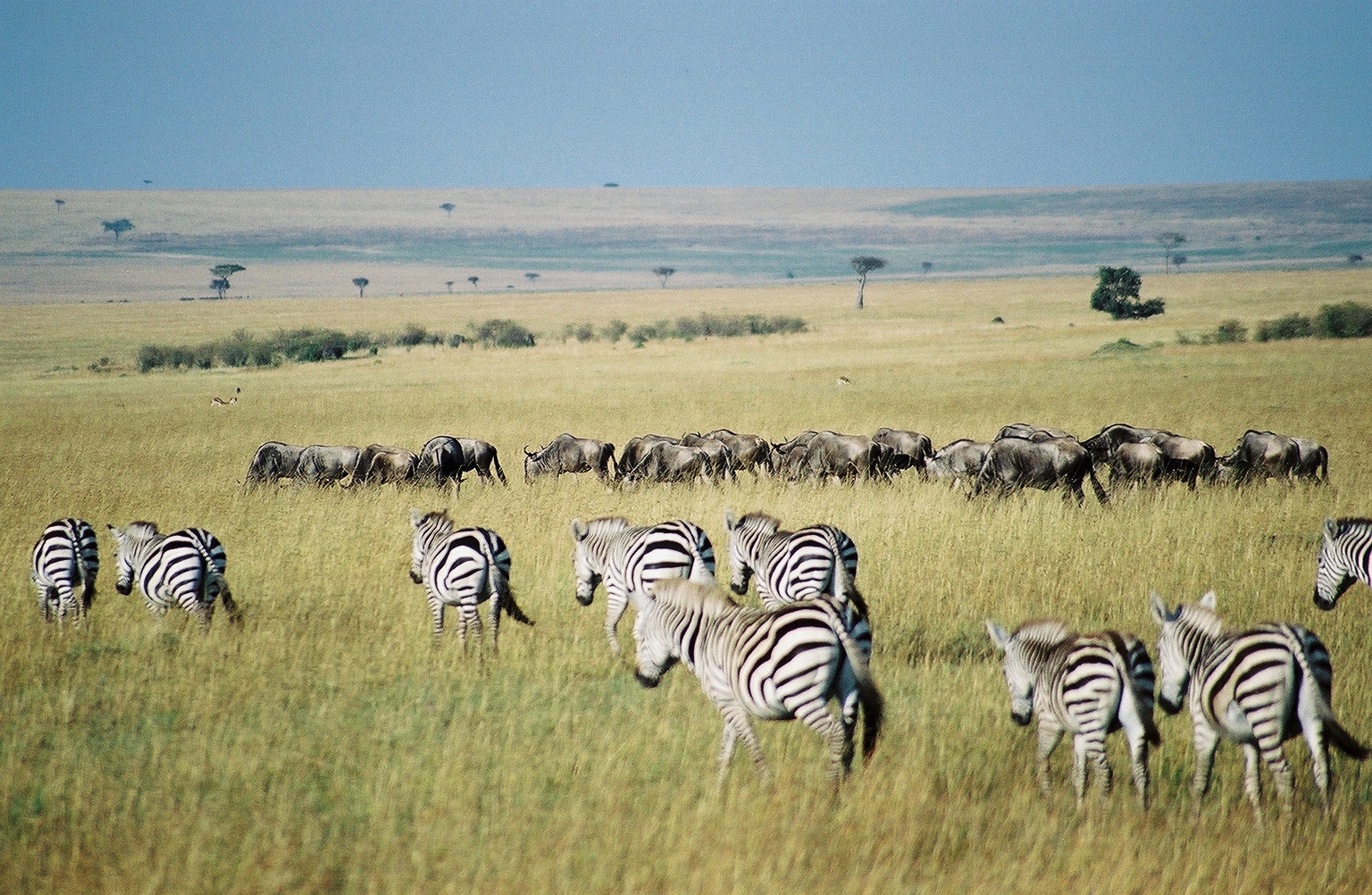
Between July and October, the plains shake as over 1.5 million wildebeest, zebras, and gazelles thunder into Kenya, crossing the crocodile-infested rivers and dodging prowling predators in a high-stake battle for survival. But even beyond the migration, the Mara offers a theater of life like no other: lion prides hunting at dawn, cheetahs sprinting across the savannah, elephants lumbering beside Maasai warriors, and skies ablaze with orange hues at sunset.
The park is also home to the Big Five, over 450 bird species, and rare encounters with black rhinos and leopards in the Mara Triangle. What makes it even more magical is the deep-rooted presence of the Maasai people, whose rich traditions and colorful beadwork add cultural texture to the wild.
Whether in a safari vehicle, on a hot air balloon ride at sunrise, or sharing stories by firelight in a luxury tented camp, the Maasai Mara does not just deliver wildlife, it delivers Africa at its wildest, most soul-stirring best.
Zebras talking a walk in savannahs of Maasai Mara National Park
2. The Breathtaking Amboseli National Park
Beneath the snowy crown of Mount Kilimanjaro, Amboseli National Park unfolds like a timeless African dream, vast plains, shimmering swamps, and herds of majestic elephants moving like shadows across the dust. This is Kenya’s second most visited park, and the best place in Africa to get up close with the giant tuskers, sometimes just meters away. The scenery is cinematic: elephants framed by Africa’s tallest mountain, flamingos dancing on seasonal lakes, and lions stretching lazily in golden grass.
Here, wildlife concentrates around year-round wetlands, offering incredible sightings of buffalo, giraffes, zebras, and over 400 bird species. The local Maasai communities add deep cultural flavor with their vibrant traditions and warm storytelling.
3. The Enchanting Lake Nakuru Nat
Lake Nakuru National Park is a shimmering jewel in Kenya’s Rift Valley where flocks of pink flamingos paint the shoreline and endangered white and black rhinos roam against acacia-draped hills. Just a short drive from Nairobi, this compact yet wildlife-rich park is a haven for birdwatchers, photographers, and big game lovers alike. The alkaline lake attracts over 450 bird species, while the surrounding savannah and forest are home to lions, buffaloes, giraffes, leopards, and the elusive Rothschild’s giraffe.
4. The Authentic Diani Beach
Kenya’s postcard-perfect paradise, a ribbon of powdery white sand kissed by the turquoise waters of the Indian Ocean and shaded by swaying palm trees. Just south of Mombasa, this coastal gem blends luxury and local life, where dhow boats drift past coral reefs, and beach bars hum with Swahili rhythms. It is the perfect escape after a safari, ideal for snorkeling, kite surfing, dolphin watching, or simply lazing under the sun with fresh coconut in hand. From romantic getaways to family holidays or solo retreats, Diani offers it all.
5. Nairobi National Park
Nairobi National Park is the only place on Earth where you can see a lion stalking prey with a city skyline in the background. Just a 10-minute drive from downtown Nairobi, this park is Kenya’s wild heart beating right next to its capital.
It is home to rhinos, lions, giraffes, buffaloes, zebras, and more than 400 bird species all within a fenced but open savannah, backed by high-rise buildings and highways. Morning game drives often reveal cheetahs on the hunt or rhinos grazing quietly near the road.
The best time to visit is early morning, when animals are active and the lighting is perfect for photography. If you are short on time but want a genuine safari, this is the wild without leaving the city.
Where to stay when you visit Kenya
Luxury
- Giraffe Manor (Karen Blixen – Wake up to giraffes peeking through your breakfast window in this ivy-covered manor that feels like a living fairytale. Best for honeymooners.
- Karen Blixen Coffee Garden & Cottages. Historic cottages set in peaceful gardens just minutes from the Giraffe Centre and Karen Blixen Museum. Great for those seeking comfort with colonial charm.
- Hemingways Nairobi (Karen) – A refined, plantation-style hotel offering elegant suites, world-class service, lush gardens, and serene views of the Ngong Hills perfect for pre- or post-safari luxury.
- Almanara Luxury Villa – An exclusive beachfront retreat with private butlers, oceanfront dining, and luxurious villas set in tropical gardens. Perfect for honeymooners or small groups seeking seclusion and elegance.
- The Sands at Nomad – A top-rated boutique resort offering Swahili-inspired beachfront rooms, a treehouse-style restaurant, a private dive center, and spa. Great for couples and high-end travelers who want both comfort and character.
Mid-Range
- The Boma Nairobi – This hotel blends style, comfort, and convenience, with modern amenities and easy access to both city and safari.
- Lake Nakuru Lodge – Located within the park, this classic safari lodge offers spacious rooms, a pool overlooking a waterhole, and easy access to rhino tracking and birdwatching.
- Mara Leisure Camp – Located near the Talek Gate in Masai Mara, this camp offers a great balance between comfort and affordability, with spacious tents, a swimming pool, and buffet meals after game drives.
Budget
- Wildebeest Eco Camp (Lang’ata) – A top favorite for backpackers and eco-conscious travelers. Offers safari tents, dorms, and cottages in a peaceful garden with a pool and campfire setting not far from the park gates.
- Karen Camp – This budget camp has dorms and tents, and is well-suited for over landers or those doing quick tours of the Giraffe Centre and Nairobi attractions.
- Enchoro Wildlife Camp – A popular choice for backpackers and budget travelers, offering tented rooms, simple amenities, and group safari packages near the main gate.
- Lenchada Tourist Camp – An affordable, no-frills option with dome tents, local meals, and easy access to the reserve ideal for those wanting the full Mara experience without breaking the bank.
RWANDA
1. The Spellbound Volcanoes National Park
It is a jungle sanctuary of mist, mountains, and myth, nestled in the Virunga volcanic range. This is where dreams come alive and hearts beat faster, for it is one of the few only places on earth where you can walk into the forest and lock eyes with a wild mountain gorilla. Just a two-hour drive from Kigali, the park protects around a third of the world’s remaining mountain gorillas, along with golden monkeys, forest elephants, and countless bird species. Trekking here is not just an adventure, it is a journey through tangled vines and bamboo trails, led by expert trackers who know every rustle and footprint in the forest.
At the summit of this encounter lies a family of gorillas, calmly feeding, playing, and sometimes curiously observing their human visitors. It is quiet. Intimate. Unforgettable. And strictly permitting only 8 people per group, 1 hour per visit, making every trek a rare and sacred experience. The best months to visit are the dry seasons from June to September and December to February, when the trails are clearer, but gorilla sightings are incredible all year-round.
Volcanoes National Park is not just about gorillas. It is also a place of legacy, the former research base of Dian Fossey, whose conservation work made these encounters possible. Whether you climb the slopes of Mount Bisoke, trek to her tomb, or watch golden monkeys leap through the bamboo, this park wraps you up in magic.
2.The Resilient Rwanda’s Genocide Memorial
In the heart of Kigali, far from the rainforest trails and serene lakeshores, lies a place of solemn silence, the Kigali Genocide Memorial, a powerful reminder of Rwanda’s darkest days. In 1994, over the course of just 100 horrific days, more than 800,000 Tutsi were brutally killed by extremist Hutu militias, neighbors, and even friends and the world largely stood still. It was a genocide fueled by decades of ethnic division, colonial legacy, and political manipulation. Families were torn apart, entire villages wiped out, and trauma scarred a nation.
But what stuns visitors more than the tragedy itself is what came after: forgiveness, reconciliation, and a level of national healing that feels almost impossible. Today, Rwanda is one of Africa’s safest and fastest-growing countries, united, clean, and forward-looking. At the Kigali Memorial, rows of white tombs hold over 250,000 victims. Inside, photos, stories, and exhibits bring voices to the silenced. And outside, in the garden of remembrance, peace blossoms where hatred once reigned.
Kigali Genocide Memorial in Rwanda

3. Nyungwe National Park
Nyungwe Forest National Park is a living cathedral of green as it is one of Africa’s oldest rainforests, cloaked in mist, mystery, and biodiversity. Tucked away in Rwanda’s southwestern hills near the Burundi border, this vast jungle is home to over 13 species of primates, but none more famous than the playful and intelligent chimpanzees that roam its high canopies and hidden trails.
Chimpanzee trekking here is a thrill like no other, a real-life jungle adventure. At dawn, you follow expert trackers into the dense undergrowth, your footsteps muffled by damp leaves, your heartbeat rising with every distant rustle. And then suddenly, there they are: swinging overhead, grooming each other, or pausing to curiously lock eyes with you. Nyungwe’s chimps are wild but habituated, offering a safe and natural encounter in their untamed world. Along the way, you might spot colobus monkeys, blue monkeys, and rare forest birds flitting through shafts of golden light.
But Nyungwe is more than just chimps, it is a sensory experience. Walk the famous canopy walkway, suspended 50 meters above the forest floor, for sweeping views and bird’s-eye wonder. The park also protects over 1,000 plant species, 300 bird species, and hidden waterfalls, making it a paradise for hikers, birders, and nature lovers.
Where to stay when you visit Rwanda
Luxury
- One&Only Nyungwe House-The pinnacle of rainforest luxury, nestled within a tea plantation at the edge of Nyungwe. Guests are treated to private forest-view suites, gourmet dining, spa treatments, and personalized nature excursions. Perfect for honeymooners, high-end travelers, and wellness seekers.
- Bisate Lodge-Designed like traditional Rwandan palaces, each forest villa overlooks the Virunga volcanoes and blends local culture with environmental harmony. Ideal for a once-in-a-lifetime gorilla trekking.
Mid-Range
- Nyungwe Top View Hill Hotel-Sitting atop a hill with panoramic views of the forest and Lake Kivu, this lodge offers spacious cottages, a cozy restaurant, and a warm, peaceful atmosphere. Great for trekkers who want comfort with a view.
- Gisakura Guest House. This simple but popular guest house offers clean rooms, local meals, and quick access to chimp trekking and the canopy walk. Ideal for travelers who want convenience and value.
- Classic Lodge-Located in Musanze, this lodge is ideal for those trekking at Volcanoes National Park. It offers spacious and comfortable rooms that are affordable.
Budget
- EAR Peace Guesthouse Gisakura-Run by a local church group, this modest stay provides basic rooms and a tranquil setting surrounded by greenery. Affordable, quiet, and close to park activities and a great option for budget-conscious nature lovers.
- La Locanda. A cozy and artsy guesthouse in Musanze town offering friendly vibes, clean rooms, and fresh Italian-Rwandan cuisine. Great for backpackers or solo travelers.
- Fatima Hotel (Musanze). Popular with budget travelers and groups, this hostel-style stay has a bar, garden, and simple rooms, just a short drive from the park. Very much affordable.
DEMOCRATIC REPUBLIC OF CONGO
1. The Mighty Mountain Of Nyiragingo
In the smoky shadows of the Albertine Rift, rising like a scarlet giant from the jungles of eastern DRC, stands Mount Nyiragongo, a place so dramatic, it feels otherworldly. This is not just a mountain. It is an active volcano with the world’s largest lava lake bubbling inside its summit crater. Located in Virunga National Park, near the border with Rwanda and Uganda, Nyiragongo is the crown jewel of Congo’s adventure tourism.
The trek to the top is as demanding as it is a magical six-hour hike through lava fields, misty forest, and high-altitude winds, rewarded with an ethereal night above the lava lake, where glowing red magma boils and bubbles beneath your feet. Most visitors spend the night in basic summit shelters, gazing into the fire below and the stars above. It is a scene you will never forget, raw nature, unfiltered and unforgettable.
Virunga National Park, Africa’s oldest, is also home to mountain gorillas, chimpanzees, forest elephants, and over 700 species of birds, making it a rich mosaic of biodiversity and conservation triumphs. The park has faced many challenges from poaching to armed conflict but it continues to rise as a symbol of hope and protection.
2. Congo’s Rich culture
Congo’s true magic is not just in its forests and volcanoes, it is in its people. With over 200 ethnic groups, the DRC offers a cultural mosaic like no other. From the Téké’s sacred masks and circle dances to the Kuba Kingdom’s handwoven raffia cloths, every tribe tells stories through rhythm, art, and ceremony.
In villages near Virunga and Kahuzi-Biéga, the Batwa (pygmy) communities share ancient forest knowledge, traditional music, and hunting techniques passed down for generations. Visitors can also witness drumming rituals, ancestral storytelling, or join in a welcoming dance with local communities.
These experiences are not performances they are real life, shared with warmth and pride. In Congo, culture is not in museums. It is in the heartbeat of the people.
3. The Mighty Congo Basin
The Congo Basin is not just a forest, it is a world of its own. Stretching across six Central African countries and covering over 500 million acres, this rainforest is the lungs of Africa, pulsing with the life of gorillas, forest elephants, chimpanzees, and creatures still unknown to science. At its heart lies Odzala-Kokoua National Park, a rare window into this green wonderland, where the forest breathes, sighs, and swallows you whole.
Here, in the Republic of the Congo (Brazzaville), adventurers can walk the forest floor beside lowland gorillas, watch bongo antelope disappear like ghosts into the foliage, or follow elephant tracks through basin natural forest clearings where wildlife congregates at mineral-rich waterholes. The experience is raw, intimate, and unlike anything else on the continent. No cars roaring. No fences. Just you, a skilled guide, and the heartbeat of a living rainforest.
Odzala is also a paradise for birders and botanists, home to over 440 bird species and countless orchids, ferns, and giant hardwoods that have stood for centuries. Night walks reveal glowing fungi and forest civets, while the dense canopy above hums with insects and birds at dawn.
SOMALIA
1. The Mythic Laas Geel
A breathtaking complex of rock shelters nestled near Hargeseisa in Somali land, Neolithic cave paintings dating back 5000 to 10000 years. These vibrant depictions of cattle, humans, and wildlife are some of Africa’s best preserved ancient art hidden treasure awaiting discovery.
2. The Coastal Gems Lido and Jazeera beaches
Lido and Jazeera beaches are dubbed the “White Pearl of the Indian Ocean” because they offer pristine sands, lively beach culture and stunning sunset that you can never find elsewhere on earth. Weekend gatherings with food, music, and camel markets by the shore show the city’s resilient spirit.
Liido beach in Mogadishu Somalia

Where to stay in Somalia
Gulf Star Hotel, a popular mid range and a budget recommended accommodation of Dhaweeye in Hargeisa and the Peace Hotel which is located in the fortified Green Zone known for its high security measures.
SOUTHSUDAN
1. Boma National Park
A wilderness giant spanning 22800 square kilometers and hosting the annual Nile migration of six million antelope including white eared kob and tiang . Herds flood across the open plains in a movement so vast it rivals EasT Africa’s Great Migration. Elephants, giraffes, lions, and leopards roam the same terrain, creating a raw safari spectacle unmatched anywhere else.
2.The Sudd Wetlands
These wetlands stretch across 30000 to 130000 square kilometers making it one of the world’s largest freshwater wetland. This magical swamp, formed by the White Nile’s embrace is a haven for 400 bird species ranging from shoebills to giant pelicans and teems with hippos and crocodiles. A boat trip through the Sudd feels like entering another world so quiet, emerald, and alive.
BURUNDI
1. Lake Tanganyika
This sounds to be Africa’s Pristine Waterfront, the second deepest and one of the oldest freshwater lake in the whole world. Imagine! Lake Tanganyika boasts crystal clear waters fringed by mountains and golden beaches. It is an aquatic playgroung for snorkeling, fishing, birdwatching, or simply relaxing under palm trees. Hippos and crocodiles drift in its shallows, and mornings here feel timeless and vibrant.
Lake Tanganyika’s fresh waters

2. Ruvubu National Park
Ruvubu National Park is Burundi’s Wildlife Kingdom since it the country’s largest national park covering over 508 square kilometers with hippos, buffalo, crocodiles, primates and over 200 birds species. Its sweeping savannahs and forest patches offer safari drives, walks, and unforgettable wildlife encounters.
Where to stay when you visit Burundi
Luxury Accommodation
- Hotel Club du Lac Tanganyika-a lakeside five star resort perfect for comfort and lakeside view.
- Bujumbura city Hotel-this is where most visitors stay. It is strategically located within the city.
Mid range Accommodation
- Hotel Restaurant Tanganyika- cozy, Belgian French inspired hotel just 2 kilometer from downtown Bujumbura. Great lakeside views and excellent cuisine
Budget Accommodation
- Local guesthouse in Rumonge- typically small beach front lodge with simple, clean rooms with direct beach access and vibrant local atmosphere.
BEST TIME TO VISIT EAST AFRICA
June to October the prime safari season because this is the dry season for most East African countries like Kenya, Tanzania, Uganda and Rwanda and others.
In this season animals gather around waterholes, vegetation is sparse making wildlife easy to spot and roads are always passable and skies are clear.
December to February, a second short dry spell in the region, ideal for photography, primate tracking and cultural festivals. This is always in Uganda, Rwanda, Democratic Republic of Congo and Kenya.
PEOPLE ALSO ASK
How many countries make the East African Community?
The East African Community comprises of eight countries and that is Uganda, Kenya, Tanzania, Rwanda, Burundi, Democratic Republic Of Congo, Somalia and South Sudan.
Which continent is East Africa In?
East Africa is a region located on the eastern side of the African continent, known for its distinctive geography, rich history, and diverse cultural heritage.
What is East Africa called now?
East Africa commonly refers to Kenya, Tanzania and Uganda and sometimes Rwanda and Burundi.
CONCLUSION
East Africa is where nature, culture, and adventure meet. With Kubwa Five Safaris, every iconic moment becomes a memory of a lifetime. Your journey starts with us. Feel free to reach out to us and we will tailor a safari to any of the East African countries you would like to visit and you will most certainly have an experience of a life-time.