

Mana Pools National Park
Mana Pools National Park In Zimbabwe
The Mana Pools National Park in Zimbabwe has been designated as a UNESCO World Heritage Site due to the park’s unspoiled natural beauty. The park is home to about 350 different kinds of birds, in addition to a wide variety of mammalian and aquatic animals. The national park known as Mana Pools is considered by Gateway magazine to be the fifth best park in all of Africa. Because of its unspoiled nature and breathtaking scenery, it has been designated as a prestigious World Heritage Site (still has dinosaur spoors). One of the most unspoiled natural and ecological locations in the whole wide planet.
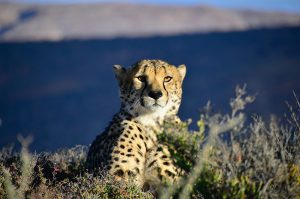
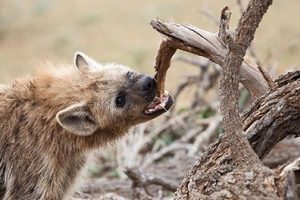
The majority of large game species make their way up the escarpment during the wet season, moving away from the river in the process. Around the month of April, as the pans in the jungle begin to dry up, they begin to return to the riverine areas.
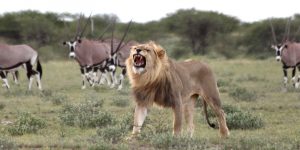
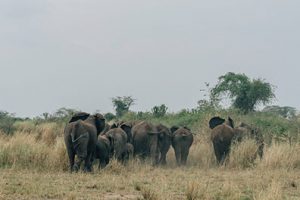
Large herds of elephants and buffaloes can be observed over the course of the year, in addition to kudus, elands, waterbucks, zebras, impalas, and a wide variety of other antelope species. Because the wildlife in Mana Pools is not particularly bothered by the presence of people on foot, the park is considered one of the best national parks in Africa for walking safaris.
The Mana Pools National Park is a favorite tourist destination for vacation in Zimbabwe.
The Mana Pools National Park features exceptional paddling opportunities and river fishing spots, in addition to its one-of-a-kind guided and unguided hikes amid the park’s abundant wild creatures.
It is a place of tremendous natural beauty and a diverse array of magnificent fauna. The Zambezi River has been steadily moving eastward over hundreds of years, and while it has done so, it has left behind the remnants of former river channels, which have since formed numerous small ponds and pools that are used seasonally across an area that is several hundred square kilometers in size.
These extend many kilometers back from the river and are characterized by the presence of large mahogany and acacia trees, which provide luxuriant shade to the terraces of fertile land.
Today, Mana Pools, which is one of Zimbabwe’s four World Heritage Sites, serves as the setting for one of the greatest natural spectacles in Africa. During the long, hot African summer, hordes of animals are drawn to the area around Mana Pools because of the abundance of water and the lush grazing along its banks. Mana Pools is one of Zimbabwe’s four World Heritage Sites.
A great number of antelope species, including zebras, kudus, elands, impalas, and others, as well as lions, leopards, hyenas, and wild dogs, are able to flourish.
The sanctuary is home to approximately 16,000 buffaloes and over 12,000 elephants, making it one of the regions with the highest populations of these species.
It is also one of only two pockets in the country that have nyala. Female elephants in the region often do not have tusks and are known to be significantly more aggressive than their counterparts who do.
Hippos enjoy the early morning light along the riverbank, which is home to one of the most abundant and diverse populations of avian life in the world. Later in the day, they stay cool by remaining almost totally buried in the river. They do this to keep from overheating, and they do it while sharing their hidden sandbanks with crocodiles that are nearly undetectable.
There are more than 350 different species of birds, which is enough to make any ornithologist feel overwhelmed. Many species of birds, including Goliath herons, Egyptian geese, Spurwing geese, cormorants, storks, beautifully colored bee-eaters, and kingfishers, congregate along its banks. Vultures, plovers, the Nyasa lovebird, the yellow-spotted nicator, the white-collared pratincole, the Livingstone’s flycatcher, the banded snake-eagle, and the stereotypical icon of Africa, the black and white fish eagle, all make their homes in the riverine forest and mopane forests respectively.
In the river, different species of fish, including tiger fish, bream, tilapia, vundu, nkupi, chessa, electric fish, eel fish, cornish jack, and lung fish, compete with and hunt one another.
A significant number of forest trees and plants are an essential component of the continuity chain that makes up Mana Pool.
The apple ring acacia is what keeps the elephant herds alive throughout the difficult dry season that occurs between the months of October and November. These magnificent trees contribute to the park’s one-of-a-kind gorgeous setting, which is one of the reasons why visitors come here.
Visitors to Mana Pools National Park have the opportunity to experience nature in its purest form by participating in an unguided walk that is exclusive to the park. Canoeing, both guided and unguided, is a popular activity that can be enjoyed all along the Zambezi River.